

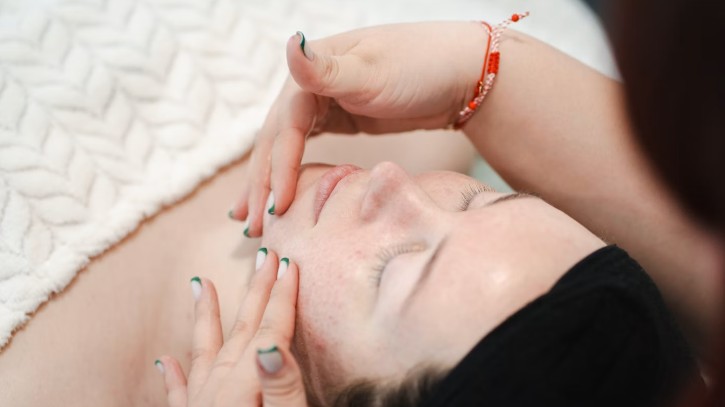
Acne scars can remain long after active breakouts have cleared, affecting the texture and appearance of the skin. For some individuals, persistent scarring may also affect confidence. Laser treatment is one option used to reduce the appearance of acne scars by supporting skin renewal and collagen production. Individuals considering this approach can find out more about Moyem Medical’s acne scar laser treatment in Singapore to understand the available treatment options.
What Causes Acne Scars?
Acne scars can develop when inflammation from severe or deep acne damages the skin. As the skin heals, the repair process may alter its original texture, leaving areas that appear depressed, raised, or uneven.
The likelihood and severity of scarring can depend on factors such as the type and severity of acne, genetics, skin type, and how the skin heals. Early management of inflammatory acne may help reduce the risk of permanent scarring.
Types of Acne Scars
Acne scars generally fall into several categories. Identifying the type of scar is important because different scars may respond differently to treatment.
Atrophic Scars
Atrophic scars appear as depressions in the skin caused by a loss of tissue. They are commonly divided into:
- Ice pick scars: Narrow, deep depressions that extend into the skin.
- Boxcar scars: Wider depressions with defined edges.
- Rolling scars: Broad depressions that create an uneven or wavy skin surface.
Hypertrophic Scars
Hypertrophic scars develop when excess collagen is produced during the healing process. They appear raised but generally remain within the boundaries of the original acne lesion.
Keloid Scars
Keloids are raised scars that can extend beyond the area of the original injury. They may continue to grow over time and can require a different approach from treatments used for depressed acne scars.
How Does Laser Treatment Work?
Laser treatment for acne scars uses concentrated light energy to encourage skin renewal. Depending on the technology used, the laser may remove damaged outer skin or heat deeper layers to stimulate collagen production.
As new collagen develops and the skin repairs itself, the texture and appearance of some acne scars may improve. The most suitable approach depends on the type, depth, location, and extent of scarring, as well as the individual’s skin characteristics.
Benefits of Laser Treatment for Acne Scars
Laser treatment may offer several advantages when appropriately selected and administered:
- Targeted treatment: Laser energy can be directed at areas affected by scarring while limiting exposure to surrounding skin.
- Collagen stimulation: Certain laser treatments encourage the production of collagen, which can support improvements in skin texture.
- No surgical incisions: Laser procedures do not require traditional surgical incisions.
- Treatment flexibility: Different laser technologies can be selected according to the type and severity of scarring.
- Gradual improvement: Skin texture may continue to improve as collagen remodelling takes place after treatment.
Factors to Consider Before Treatment
Laser treatment is not suitable for every individual or every type of acne scar. A professional assessment is important before treatment begins.
Skin Type
Some individuals, particularly those with darker skin tones, may have a higher risk of post-inflammatory hyperpigmentation or other changes in skin colour following certain laser treatments. A professional can assess the skin and determine which approach is appropriate.
Recovery Time
Downtime varies according to the laser technology and treatment intensity. Non-ablative procedures typically involve less recovery time, while ablative treatments may require a longer period for the skin to heal.
Number of Sessions
Acne scars may not improve significantly after a single treatment. Several sessions may be recommended depending on the severity of the scarring and the individual’s response to treatment.
Treatment Costs
The overall cost depends on factors such as the type of laser used, the number of sessions required, and the areas being treated. A consultation can provide a clearer understanding of the expected treatment plan and associated costs.
 Preparing for Laser Treatment
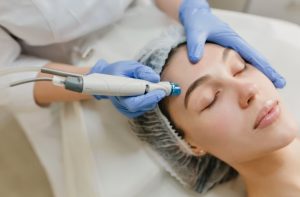
Proper preparation can help reduce the risk of complications and support the healing process. Depending on the treatment, patients may be advised to:
- Limit direct sun exposure before treatment.
- Avoid certain exfoliating or irritating skincare products for a period recommended by the treating professional.
- Inform the doctor about current medications, skincare products, and previous procedures.
- Follow any specific instructions provided before the appointment.
Post-Treatment Care
Aftercare plays an important role in the healing process. Patients may be advised to:
- Apply broad-spectrum sunscreen and limit sun exposure.
- Use recommended skincare products to support skin recovery.
- Avoid picking, scratching, or irritating the treated area.
- Delay the use of makeup or strenuous activities if advised by the treating professional.
- Follow all post-treatment instructions provided during the consultation.
Possible Risks and Side Effects
Although laser treatment can be used safely when performed appropriately, side effects are possible. Common temporary effects may include redness, swelling, sensitivity, or peeling.
Changes in skin pigmentation can also occur, particularly in individuals with darker skin tones. Infection is less common but remains a potential risk if aftercare instructions are not followed.
Why Professional Assessment Matters
A professional consultation is an important step before undergoing acne scar laser treatment. A doctor can assess the type and severity of scarring, evaluate the patient’s skin, and determine whether laser treatment is appropriate.
The treatment plan may involve a specific laser technology, a combination of approaches, or alternative treatments depending on the patient’s needs. Setting realistic expectations is also important, as laser treatment aims to improve the appearance and texture of scars rather than necessarily remove them completely.
Conclusion
Acne scar laser treatment can be an option for individuals seeking to improve uneven skin texture and reduce the visibility of acne scars. The choice between ablative and non-ablative treatment depends on factors such as scar type, severity, skin characteristics, and recovery preferences.
Professional assessment, appropriate preparation, and consistent aftercare can help support safer treatment and better outcomes. Understanding the available options allows individuals to make informed decisions about managing persistent acne scarring.

