

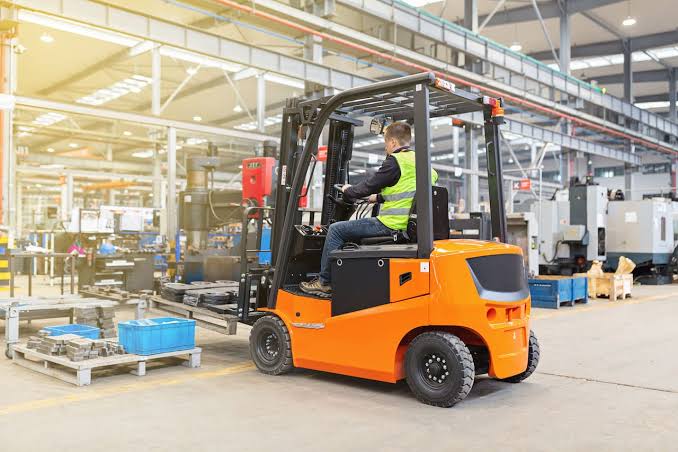
Warehouse ergonomics involves supporting employees through a wide range of physical tasks, including lifting cartons, moving materials, positioning products, and handling loads at different heights throughout the day. Repetitive movements, awkward postures, and frequent manual lifting can place significant strain on the body, especially when equipment does not support safer movement. Ergonomic warehouse equipment can help reduce unnecessary bending, reaching, twisting, and lifting while improving material handling efficiency. The sections below explain how ergonomic equipment can support safer, more productive warehouse operations.
Carton Lifts and Box Lifters
Carton lifts and box lifters help employees move boxes or cartons between different heights regularly. Instead of repeatedly bending to pick up materials from pallets or the floor, lifting equipment can bring the load to a more comfortable working height. This can be especially helpful for order picking, packing, and other tasks where employees handle multiple boxes throughout the day.
Box lifters can also reduce the need to reposition heavy or awkward cartons manually. By using a machine to lift and position loads, workers can spend less time handling loads from physically demanding positions that increase injury risk.
Hydraulic Lift Tables
Hydraulic lift tables can help with another common warehouse ergonomics problem: working with materials that are consistently too high or too low. A pallet, container, or project can be raised to a more appropriate height, so employees don’t have to stoop or reach upward repeatedly.
This can make a difference in tasks like assembly, packing, inspection, and even material transfers. The height can also be adjusted as tasks change, allowing employees to work from a more suitable position no matter how their exact task shifts throughout the day.
Tilter Work Positioners
Some warehouse tasks require workers to access individual items stored inside bins, containers, or totes throughout the day. Tilter work positioners improve access by changing the container angle and bringing contents closer to the employee. This can reduce excessive reaching, bending, and awkward movements while supporting safer, more efficient material handling.
This reduces repetitive reaching and prevents awkward wrist or back positions that can occur when employees repeatedly reach deep into a level container. Bringing materials closer to the worker can make picking and handling tasks more comfortable while reducing unnecessary movement.
Choosing Equipment Based on the Task
The most useful ergonomic equipment is designed around the movements your employees perform every day. Looking at where your workers bend, reach, lift, push, and reposition things can help you identify the best places to introduce ergonomic material-handling equipment that reduces unnecessary physical strain while improving workflow efficiency.

