

Key Takeaways
- Braces and clear aligners can both address tooth alignment and certain bite concerns.
- The best option depends on the patient’s orthodontic needs, age, routine, and ability to follow care instructions.
- Clear aligners are removable, but they must be worn consistently and stored carefully.
- Braces stay in place and can be a practical choice when more precise control or a simpler daily routine is needed.
- An in-person orthodontic evaluation is the most reliable way to compare treatment options.
For families in London, Kentucky, choosing between braces and clear aligners can feel like a major decision. Parents may be comparing options for a child who is still growing, a busy teen balancing school and sports, or an adult who wants to improve their smile while managing work and family responsibilities. A visit with an orthodontist in London, KY can make that choice more personal and practical. WGM Orthodontics offers braces and clear aligner treatment from its London office, helping patients in London and nearby Kentucky communities review their smile goals, bite, and treatment needs with professional guidance.
More orthodontic options can be helpful, but they can also make it tempting to choose treatment based solely on appearance. Braces and clear aligners work differently, require different habits, and may suit different orthodontic concerns. The right choice is the one that fits the patient’s diagnosis and daily life, not simply the option that seems most convenient at first.
Why the Choice Matters for London Families
Life in and around London often involves packed school calendars, team practices, family meals, community events, and time on the road. A treatment plan should work within those routines. For example, a teen who regularly eats away from home must be ready to remove and safely store aligners, while a patient with braces needs to plan around foods that can damage brackets or wires.
Orthodontic treatment should also begin with a professional examination rather than an online quiz or photos alone. The importance of an in-person examination and ongoing professional supervision applies to clear aligner treatment because a clinician needs to evaluate the teeth, gums, bite, and diagnostic records before recommending a plan.
How Traditional Braces Work
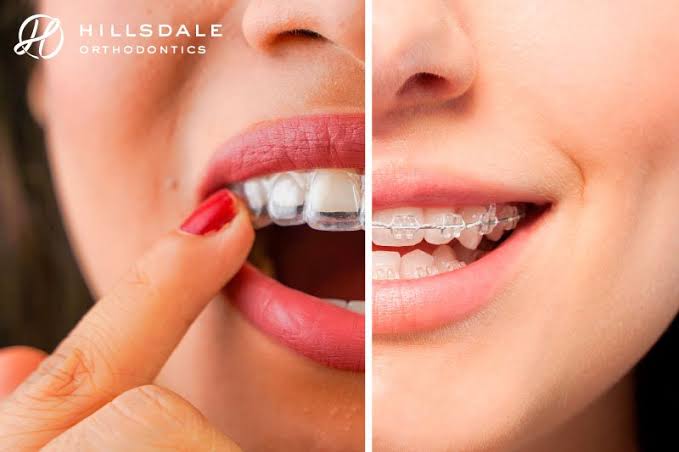
Traditional braces use brackets and wires to apply steady forces that guide teeth into planned positions. The appliance remains attached throughout active treatment, and orthodontic visits allow the provider to monitor progress and make adjustments when needed.
- Braces can address crowding, spacing, tooth rotations, and many bite-related concerns.
- Because they are fixed in place, there is no tray to lose, forget, or leave at home.
- Patients usually need to avoid hard, sticky, and chewy foods that can loosen brackets or bend wires.
- Brushing and flossing take additional attention around the appliance.
How Clear Aligners Work
Clear aligners are custom-made trays that fit over the teeth. Patients move through a planned series of trays, with each set designed to make gradual changes. The trays are removed for meals, most drinks, brushing, and flossing.
For some people, clear aligners offer a less noticeable treatment option and make everyday oral hygiene easier because there are no brackets or wires to brush around. However, they are not right for every case. As the Cleveland Clinic’s information on clear aligner treatment explains, aligners can treat crooked or crowded teeth and some bite concerns, but an orthodontist determines whether they are appropriate for an individual patient.
Braces vs. Clear Aligners at a Glance
- Appearance: Clear aligners are designed to be less noticeable. Braces are visible, though some patients choose less conspicuous bracket options.
- Removability: Aligners can come out. Braces remain attached until active treatment is complete.
- Food choices: Aligners are removed for meals. Braces require patients to avoid certain foods.
- Daily responsibility: Aligners require consistent wear and safe storage. Braces reduce the risk of forgetting to wear them.
- Cleaning: Aligners are removed for brushing and flossing. Braces require careful cleaning around brackets and wires.
- Complexity: Braces may be recommended when fixed treatment offers better control for the planned tooth or bite movements.
- Comfort: Either option can cause temporary pressure or soreness as teeth move.
Choosing for Children, Teens, and Adults
For Children
Age alone does not determine the right treatment. An orthodontist may consider jaw growth, tooth development, oral hygiene, and the child’s ability to manage removable trays. For some younger patients, braces may create a more straightforward routine because the appliance stays in place. Early evaluations can also help families understand whether treatment should begin now or be monitored until the timing is right.
For Teens
Teens often weigh appearance, school photos, sports, and busy schedules. Clear aligners may appeal to a teen who wants a discreet option and can reliably wear trays as instructed. Braces may be a better fit for a teen who is likely to misplace aligners or struggle with consistent wear. Students who play contact sports should ask about protective mouthguards, while wind instrument players can discuss the expected adjustment period.
For Adults
Adults can benefit from either braces or aligners. A professional may prefer aligners for a more subtle look during meetings, while another adult may choose braces because they are fixed and well suited to the recommended treatment plan. Existing dental work, gum health, bite concerns, budget, and personal preferences all belong in the conversation.
Daily Care and Lifestyle Differences
Care Tips for Braces
- Brush carefully around brackets after meals when possible.
- Use floss threaders, interdental brushes, or other tools recommended by the orthodontic team.
- Avoid chewing ice, hard candy, popcorn kernels, and sticky foods.
- Contact the office if a wire becomes uncomfortable or a bracket comes loose.
Care Tips for Clear Aligners
- Wear trays for the duration specified in the treatment plan.
- Remove them before eating unless the orthodontist gives different instructions.
- Clean trays as directed and brush teeth before putting them back in.
- Keep aligners in their case during meals, practices, and travel.
- Do not leave trays in a hot vehicle or other high-heat location.
Questions to Ask at the First Visit
- Which options can address this specific alignment or bite concern?
- What habits will be most important for treatment success?
- How often will appointments be needed?
- What happens if an aligner is lost or a bracket breaks?
- Are retainers included in the treatment plan?
- What insurance, payment, or flexible spending options may apply?
What Happens After Treatment?
Braces and aligners are only the active phase of orthodontic care. Retainers help hold teeth in their new positions after treatment ends. Because teeth can shift over time, following the orthodontist’s retainer instructions is an important part of protecting the result.
Making a Confident Decision
Braces and clear aligners can both be valuable orthodontic tools. Families in London, KY should consider treatment complexity, daily routines, appearance preferences, food habits, and the patient’s ability to follow instructions. A complete in-person evaluation provides the clearest path forward, helping each patient choose an option that supports a healthy, balanced smile and realistic expectations.

