

Key Takeaways
- Full-mouth dental implants can replace most or all teeth in an upper arch, lower arch, or both.
- Successful treatment begins with a detailed review of oral health, medical history, bone support, bite, and goals.
- Digital imaging and planning help the dental team coordinate surgery with the design of the replacement teeth.
- Healing occurs in stages, so temporary teeth, dietary changes, and follow-up visits are often part of the process.
- Long-term results depend on daily cleaning, professional maintenance, and early attention to problems.
Full-mouth tooth loss can affect comfort, speech, nutrition, and confidence. For people with widespread decay, loose teeth, advanced wear, or ill-fitting dentures, same-day full arch implants may be one option to discuss during a comprehensive consultation.
Implant-supported teeth are different from conventional removable dentures because implants are placed in the jaw to support a restoration. Some restorations are fixed in place by a dental professional, while others are removable for cleaning. The right approach depends on anatomy, oral health, bite forces, lifestyle, and personal treatment goals.
Why Patients Consider Full-Mouth Dental Implants
Patients may explore full-mouth treatment when many teeth are missing, painful, severely damaged, or no longer predictable to restore. Replacing an entire arch can provide a more stable chewing surface and avoid the movement that some people experience with traditional dentures. However, full-mouth implant treatment is not one identical procedure. One person may need treatment for only the upper or lower arch, while another may need both.
The decision should involve a realistic discussion of the benefits, limitations, recovery requirements, maintenance responsibilities, and alternatives. A treatment plan that works well for one patient may not be appropriate for another.
What Happens During the First Evaluation?
An implant consultation is more than a quick examination of the visible teeth. The dental team typically reviews medical and dental history, examines the gums and remaining teeth, and evaluates the jawbone and bite. They may also discuss facial proportions, smile preferences, and practical concerns such as eating habits and home care.
- Medical conditions, medications, smoking, and diabetes management may affect planning and healing.
- Gum disease or infection may need treatment before implants are placed.
- Bone volume and bone quality help determine where implants may be positioned.
- Teeth grinding or clenching can affect the design and protection of the final restoration.
How Digital Planning Shapes Treatment
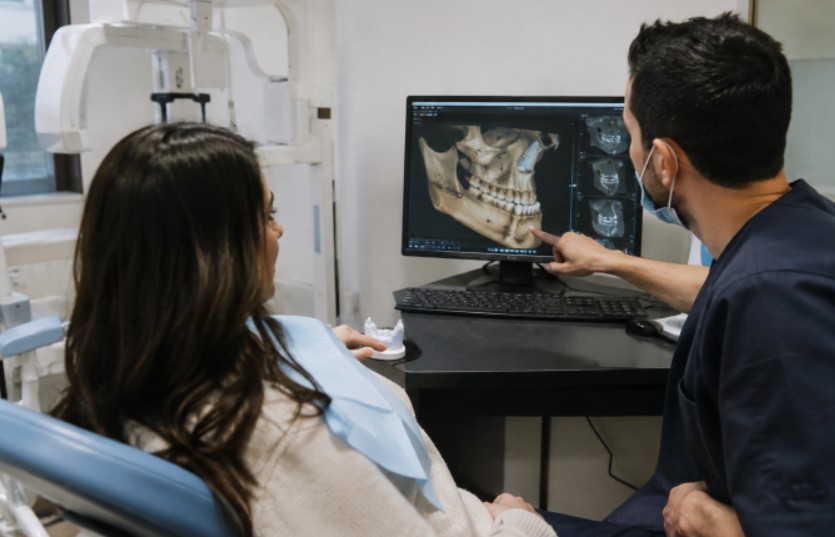
Many practices use three-dimensional imaging, digital impressions, photographs, and bite records to build a detailed picture of the mouth. These records can help the team identify important anatomy, study available bone, and plan how the replacement teeth should fit with the lips, face, and opposing arch.
Digital planning can also help connect the surgical phase with the final tooth design rather than treating them as separate steps. Patients can ask which records are needed, why they are recommended, and whether any findings could change the treatment plan.
Are Full-Mouth Dental Implants Right for Everyone?
Age by itself does not determine candidacy. More important considerations include overall health, gum condition, bone support, ability to maintain oral hygiene, and willingness to follow recovery instructions. People with multiple failing teeth and manageable oral health concerns may be candidates, but some cases require additional preparation.
Factors That May Require Extra Planning
- Advanced periodontal disease or active infection.
- Significant bone loss that may require grafting or a modified implant plan.
- Uncontrolled medical conditions or medications that affect healing.
- Heavy tobacco use, which can complicate healing and long-term tissue health.
- Clenching, grinding, or difficulty keeping the restoration and gumline clean.
What Happens on Surgery Day?
On the day of surgery, the team confirms the plan, reviews health information, and provides the agreed anesthesia or sedation approach when appropriate. Teeth that cannot be retained may be removed, and implants are placed in selected areas of the jaw. When the clinical situation supports it, a temporary restoration may be attached soon after surgery.
Before leaving, patients should receive clear instructions about medications, oral hygiene, swelling, food choices, activity, and follow-up visits. It is also important to know who to contact if unexpected pain, bleeding, fever, swelling, or a problem with the temporary teeth develops.
Temporary Teeth, Healing, and Food Choices
Temporary teeth can restore appearance and limited function while the surgical sites heal and the final prosthesis is designed. Early recovery may include tenderness, swelling, bruising, and fatigue. Although these symptoms often improve during the first days after surgery, bone healing and integration take longer.
A soft-food plan is common during the initial phase. Eggs, yogurt, beans, fish, soft vegetables, soups, and smoothies can provide nutrition without demanding heavy chewing. Patients are commonly advised to avoid hard, crunchy, sticky, or seed-filled foods until their treating team says it is safe to advance their diet. Rushing back to firm foods can place unnecessary force on a healing restoration.
How to Care for Full-Mouth Implants Long Term
Implants do not develop cavities, but the surrounding gums and bone still require consistent care. Patients should brush the restoration and gumline as directed, use any recommended tools to clean beneath the prosthesis, and attend routine examinations and professional cleanings. The daily oral hygiene habits that remove plaque around the gumline remain important even when natural teeth have been replaced.
Bleeding, swelling, persistent bad taste, pain, a loose restoration, or a change in bite should not be ignored. A night guard may also be recommended for patients who grind or clench their teeth.
Risks, Costs, and Questions to Ask
Dental implant treatment can be successful, but it is not risk-free. Possible concerns include infection, delayed healing, loss of implant stability, altered sensation, sinus-related issues in some upper-jaw cases, and wear or fracture of the restoration. A useful overview of dental implant terminology and treatment stages can help patients prepare for a more informed consultation.
Costs vary based on the number of arches, implants, extractions, bone or gum treatment, sedation, temporary teeth, final materials, laboratory work, and follow-up care. Request a written plan that identifies what is included and which services could create additional costs.
Questions to Bring to a Consultation
- Who will plan, perform, and maintain each part of treatment?
- What scans and diagnostic records are included?
- Will temporary teeth be used, and what food restrictions will apply?
- How long is the expected healing period for this case?
- What happens if an implant does not integrate as expected?
- How are after-hours concerns and emergencies handled?
- What cleaning routine and maintenance visits will be needed?
- Which costs are included in the written estimate?
Conclusion
Full-mouth dental implant treatment involves careful diagnosis, digital planning, surgery, staged healing, final restoration design, and ongoing maintenance. A thorough consultation helps patients understand the timeline, compare alternatives, and make a decision based on their health needs and long-term goals.

