

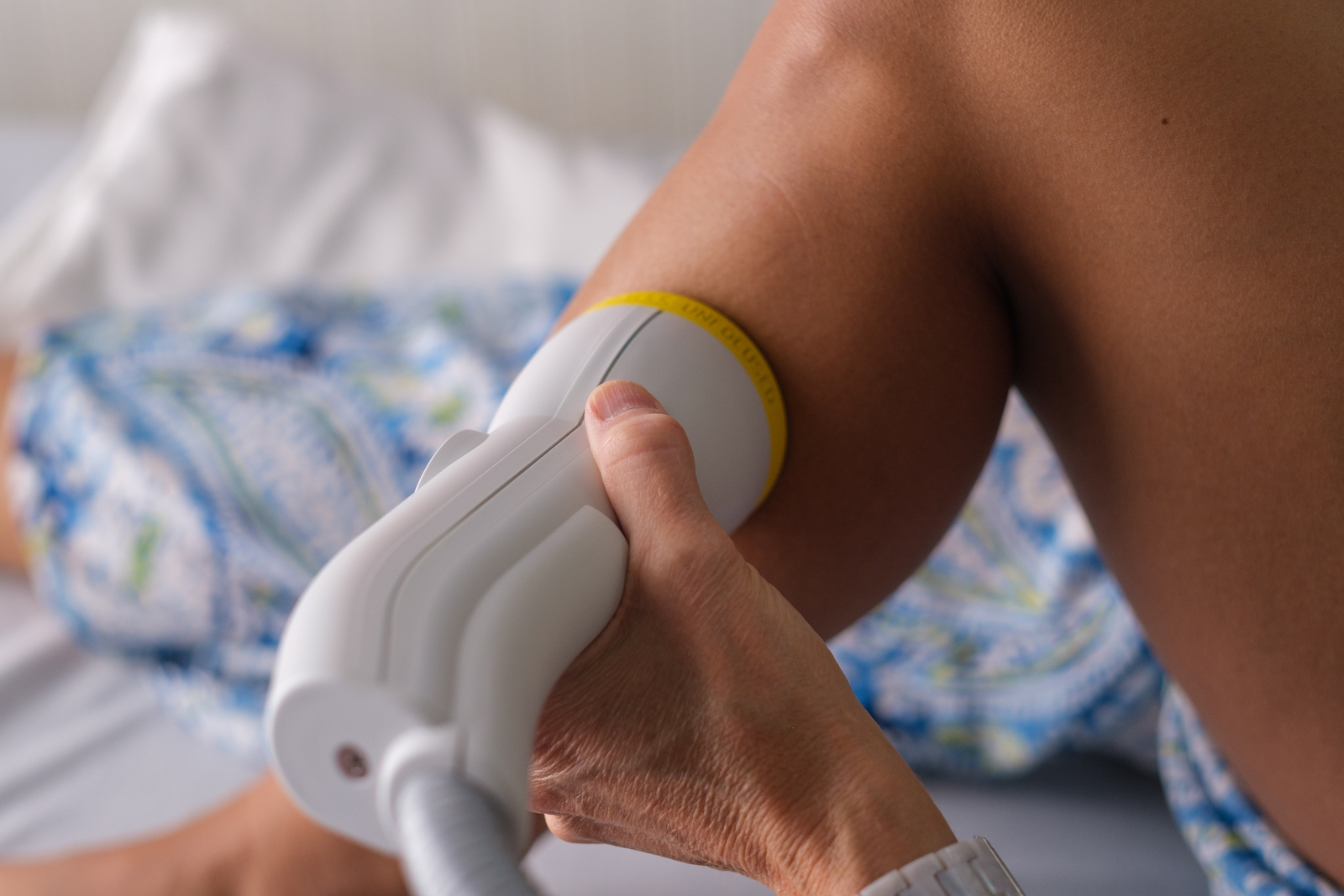
Rebecca’s Physical Therapy is an English-language healthcare practice in Mount Pleasant, South Carolina, that provides specialized, evidence-based physical therapy for pelvic pain, urinary incontinence, and pregnancy-related concerns. Founded in 2006, the clinic combines traditional physical therapy with focused pelvic health care to help people regain comfort, confidence, and everyday function.
A Local Focus on Pelvic Health
Pelvic health problems can affect people in deeply personal ways. Pain, bladder leakage, pressure, discomfort during intimacy, or difficulty with daily movement may make someone feel isolated or unsure where to turn for help. Rebecca’s Physical Therapy was created to address these concerns with respectful, individualized care in a supportive clinical setting.
The clinic serves patients in Mount Pleasant and the surrounding Charleston area, offering care for conditions that are often overlooked in routine healthcare conversations. Its focus on pelvic pain Mount Pleasant SC reflects a growing need for specialized treatment that goes beyond general exercise programs and addresses the underlying muscles, joints, nerves, and habits involved in pelvic dysfunction.
Understanding Pelvic Pain
Pelvic pain is pain located in the lower abdomen, pelvis, groin, genital area, or surrounding musculoskeletal structures. It may be related to pelvic floor muscle tension, nerve irritation, scar tissue, surgery, childbirth, endometriosis, interstitial cystitis, vulvodynia, vaginismus, prostatitis, or sacroiliac joint dysfunction.
Pelvic pain can also affect bladder and bowel habits, sexual function, sitting tolerance, sleep, work, and participation in exercise. Because symptoms vary widely from person to person, effective treatment begins with a careful assessment rather than a one-size-fits-all approach.
Evidence-Based Care for Incontinence
Urinary incontinence is the unintentional loss of urine, and it can occur with coughing, sneezing, laughing, exercise, urgency, or during everyday activities. Although it is common, it is not something people simply have to accept as a normal part of aging, childbirth, or life after pregnancy.
Pelvic floor muscle training is widely recognized as a first-line approach for preventing and treating stress and mixed urinary incontinence. Evidence summaries also note that structured pelvic floor muscle training during pregnancy can reduce the onset of urinary incontinence in late pregnancy and the early postpartum period.
Support Through Pregnancy
Pregnancy brings major changes to the body. As the baby grows, posture, abdominal muscles, pelvic joints, and pelvic floor muscles must adapt, which can contribute to low back pain, hip pain, pelvic girdle pain, pressure, and urinary symptoms.
Rebecca’s Physical Therapy provides pregnancy care that focuses on safe movement, comfort, and preparation for birth and recovery. Treatment may address musculoskeletal pain through gentle techniques and individualized exercise, while also supporting pelvic floor health during pregnancy.
Research supports exercise as an acceptable intervention for pregnant people with lumbopelvic pain, and pelvic floor muscle training during pregnancy may help reduce the risk of urinary incontinence and severe perineal tearing. This makes individualized physical therapy a practical option for people who want to stay active and comfortable during pregnancy.
Recovery After Childbirth
The postpartum period is a time of recovery, but many new parents experience symptoms that are difficult to discuss or manage alone. These may include urinary leakage, pelvic heaviness or prolapse symptoms, pain with intercourse, abdominal separation, pubic symphysis dysfunction, and persistent back or pelvic pain.
Postpartum physical therapy can focus on pelvic floor rehabilitation, abdominal recovery, posture, strength, mobility, and gradual return to exercise. Rather than pushing through symptoms, treatment helps patients rebuild function at an appropriate pace while addressing pain and pelvic floor coordination.
A Broader Range of Services
While pelvic health is a central specialty, Rebecca’s Physical Therapy also provides care for acute and chronic pain, sacroiliac joint dysfunction, sexual dysfunction, and traditional physical therapy needs. This broader scope allows the clinic to consider the whole person rather than treating a single symptom in isolation.
For example, someone with pelvic pain may also have low back pain, hip stiffness, breathing-pattern changes, or difficulty returning to exercise. A comprehensive physical therapy plan can address these connected issues while respecting each patient’s goals, medical history, and comfort level.
What Makes the Approach Different
Rebecca’s Physical Therapy emphasizes specialized and evidence-based care, meaning treatment decisions are guided by clinical assessment and current understanding of pelvic health and rehabilitation. The clinic’s philosophy has centered since its founding on helping people with incontinence, pelvic pain, and pregnancy-related physical concerns.
Patients can expect a private, professional environment where sensitive symptoms can be discussed openly. This matters because pelvic health concerns often require trust, clear communication, and treatment plans that fit a person’s real lifenot generic advice.
When to Seek Help
People may benefit from pelvic health physical therapy if they experience pelvic pain, urinary leakage, frequent urgency, pelvic pressure, pain during intimacy, constipation, pelvic floor tension, pregnancy-related pain, or postpartum recovery concerns. Seeking care early can help prevent symptoms from becoming more limiting over time.
It is also important to remember that pelvic symptoms can have many causes. A physical therapist can work alongside a patient’s physician or other healthcare provider when appropriate, ensuring that care remains safe and coordinated.
Convenient Care in Mount Pleasant
Rebecca’s Physical Therapy is located at 550 Long Point Road, Suite 100, in Mount Pleasant, South Carolina. The clinic can be reached at (843) 416-8718, and its posted hours are Monday through Thursday from 8:00 a.m. to 4:30 p.m. and Friday from 8:00 a.m. to 2:30 p.m.
For residents of Mount Pleasant and nearby communities, having a local clinic that specializes in pelvic pain, incontinence, and pregnancy-related rehabilitation can make it easier to take the first step toward care. Accessible, specialized treatment can help people move from simply coping with symptoms to actively improving their health.
Conclusion
Rebecca’s Physical Therapy offers specialized, evidence-based physical therapy for people dealing with pelvic pain, urinary incontinence, and pregnancy or postpartum concerns in Mount Pleasant, South Carolina. By combining individualized assessment, hands-on treatment, therapeutic exercise, and practical education, the clinic helps patients address symptoms that can otherwise affect comfort, confidence, and daily life.

