

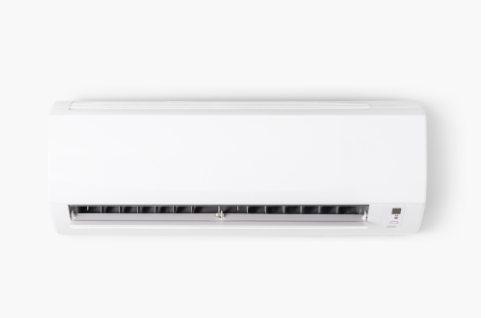
Singapore’s hot and humid climate makes air conditioning an important part of maintaining a comfortable indoor environment. For homeowners and businesses looking to buy aircon in Singapore, choosing the right system requires consideration of room size, cooling requirements, energy consumption, installation needs, and long-term maintenance. Understanding these factors can help buyers select a system that provides reliable cooling without unnecessary costs.
Assessing Cooling Requirements
The size and layout of a space are among the first factors to consider when choosing an air conditioner. A unit that is too small may struggle to cool the room effectively, while an oversized system can consume more energy than necessary.
Room dimensions, ceiling height, sunlight exposure, insulation, and the number of occupants can all affect cooling requirements. Medium-sized rooms may generally require units within the 9,000 to 12,000 BTU range, while larger spaces may need greater capacity. A professional assessment can provide a more accurate recommendation based on the specific property.
Choosing the Right Type of Air Conditioner
Different air conditioning systems are designed for different spaces and requirements. Understanding their characteristics can make the selection process easier.
Split-System Air Conditioners
Split-system air conditioners consist of an indoor unit connected to an outdoor compressor. They are commonly used for individual rooms and residential spaces because they provide effective cooling while operating relatively quietly.
These systems are available in various capacities and models, allowing buyers to choose a unit suited to the size and usage of the room. Inverter split systems can also adjust their cooling output according to demand, which can help reduce unnecessary energy consumption.
Multi-Split Systems
Multi-split systems connect several indoor units to a single outdoor unit. This arrangement allows different rooms to be cooled independently while reducing the need for multiple outdoor compressors.
They can be suitable for homes with several bedrooms or separate living areas. Individual temperature controls also allow occupants to adjust the cooling in each room according to their needs.
Window Air Conditioners
Window units combine the indoor and outdoor components in a single appliance. They are generally more affordable and can be suitable for smaller rooms where installation options are limited.
However, they may produce more noise and offer lower energy efficiency than some modern split systems. Their suitability depends largely on the room layout and available window space.
Portable Air Conditioners
Portable units offer flexibility because they can be moved between rooms. They usually require less permanent installation, making them useful for temporary cooling or properties where fixed systems cannot be installed.
Their cooling capacity is generally more limited than that of fixed air conditioning systems. They are therefore more appropriate for smaller rooms or occasional use.
Considering Energy Efficiency
Energy efficiency should be considered alongside the initial purchase price. An efficient air conditioner can consume less electricity during operation, helping to reduce ongoing household expenses.
Inverter technology is one feature worth considering. Instead of repeatedly switching the compressor on and off, an inverter system can adjust its operating speed according to the cooling demand. This can provide more consistent temperatures while reducing energy use under suitable conditions.
Buyers should also check the unit’s energy efficiency rating and estimated electricity consumption before making a decision. Comparing these figures across models can provide a clearer picture of potential long-term operating costs.
Exploring Smart and Air Quality Features
Modern air conditioners can include features that improve convenience and indoor comfort. Smart connectivity, for example, allows users to operate certain systems through a smartphone or other connected device. This can make it easier to adjust temperature settings, schedules, and operating modes remotely.
Some models also include air filtration or purification functions. These features can help reduce certain airborne particles and improve indoor air quality. Dehumidification modes are also useful in Singapore’s humid conditions, as they can remove excess moisture from indoor air while maintaining a more comfortable environment.
Installation and Maintenance
Proper installation plays an important role in the performance and reliability of an air conditioning system. Incorrect installation can affect cooling efficiency and may contribute to leaks, airflow problems, or premature component wear.
Professional installation can help ensure that the indoor and outdoor units are positioned correctly and that the system operates according to the manufacturer’s specifications.
Regular maintenance is equally important. Filters should be cleaned regularly, while professional servicing can address issues such as refrigerant levels, drainage, airflow, and component condition. Routine maintenance can help maintain cooling performance and identify potential problems before they become more expensive repairs.
Evaluating the Total Cost
The purchase price is only one part of the overall cost of owning an air conditioner. Buyers should also consider electricity consumption, installation charges, servicing, repairs, and replacement parts.
A lower-priced model may have higher operating costs if it consumes more electricity or requires frequent servicing. Conversely, an energy-efficient system with a higher initial price may offer better value over its operating life. Comparing the total cost of ownership can therefore provide a more useful basis for making a purchasing decision.
Considering Indoor Comfort and Air Quality
Air conditioning does more than lower indoor temperatures. In a humid environment, effective temperature and moisture control can contribute to greater comfort.
Systems with filtration and dehumidification functions may be particularly useful for households concerned about indoor air quality. However, these features should be considered alongside regular cleaning and maintenance, as poorly maintained filters and components can affect system performance.
Conclusion
Choosing an air conditioner in Singapore requires more than comparing prices and cooling capacities. Room size, system type, energy efficiency, technology, installation requirements, maintenance, and long-term operating costs should all be considered before a purchase is made.
For those looking to buy aircon in Singapore, comparing reputable models and selecting a system that matches the property’s specific requirements can help ensure reliable cooling and efficient operation. With the right choice and proper maintenance, an air conditioning system can provide consistent indoor comfort while keeping energy and maintenance costs under control.

