

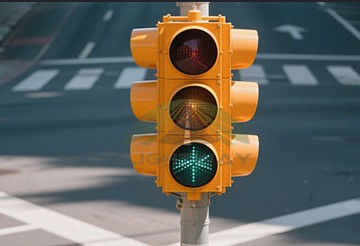
Traffic lights are so familiar that most drivers barely register them, except when they turn red at the worst possible moment. Yet these modest signals hold surprising power. Adjust the timing at one busy intersection, and the benefits can spread through an entire neighbourhood, handing residents back precious time they would otherwise lose sitting in queues.
The Intersection as a Pressure Point
Every road network has places where traffic naturally bunches up. Often it is a junction where a main road meets a feeder street, near a school, a shopping strip or a motorway on-ramp. When that single point struggles, delays travel backwards along connecting streets, sometimes for kilometres.
Fixing that pressure point does not always require new lanes or major construction. Sometimes it is a matter of giving the green light a few more seconds in one direction, or changing the order in which movements are allowed. Small tweaks can relieve congestion far beyond the intersection itself.
Understanding Signal Timing
Traffic signals work in cycles. Each cycle is split into phases, with each phase allowing certain movements, such as straight-through traffic, right turns or pedestrian crossings. Engineers decide how long each phase lasts and how the cycle fits together.
Get the balance right, and vehicles flow steadily. Get it wrong, and you end up with a frustrating scene most people know well: a long line of cars waiting while the opposing green serves an almost empty road.
Many Australian cities use adaptive systems that respond to real conditions. Sensors in the road detect how many vehicles are waiting, and the system adjusts timings accordingly. The result is a network that treats the morning rush differently from a quiet Sunday afternoon.
Coordination Along a Corridor
One of the most satisfying outcomes in traffic engineering is the so-called green wave. When signals along a corridor are coordinated, a driver travelling at the speed limit can pass through several intersections without stopping.
This coordination depends on careful calculation. Engineers consider the distance between intersections, typical speeds and traffic volumes at different times of day. They also have to balance cross-street demand, because giving one road priority can inconvenience another.
When coordination works, the gains are noticeable. Travel times become more predictable, fuel use drops, and drivers experience less stop-start frustration. Buses keep to schedule more reliably, which makes public transport more attractive as well.
Adding Up the Minutes
Consider a suburb where thousands of vehicles pass through a key junction each weekday. Shaving even thirty seconds from the average wait could mean many hours saved collectively across a single morning. Over a week, a month or a year, those savings become substantial.
Parents arrive at school pick-up with less stress. Tradespeople reach more jobs in a day. Delivery drivers complete routes sooner. Commuters get home in time for dinner rather than staring at brake lights.
There are environmental advantages too. Idling engines burn fuel and release emissions without taking anyone anywhere. Smoother flow means cleaner air around busy intersections, which matters for nearby homes, schools and cafes.
Pedestrians and Cyclists Win Too
Good signal design is not only about cars. Well-timed pedestrian phases make crossings safer and more convenient, encouraging people to walk for short trips. Dedicated cycle signals and head starts for bike riders help reduce conflicts with turning vehicles.
Some intersections now give pedestrians a brief lead before vehicles receive their green. This small change makes people on foot more visible to turning drivers, improving safety without significantly affecting traffic flow.
Accessibility features also play a role. Audible signals and tactile buttons assist people with vision impairment, while longer crossing times at certain locations support older residents and those with limited mobility.
Data Changes Everything
Modern traffic management relies heavily on information. Journey time data, vehicle counts and incident reports help engineers understand exactly where delays occur and why. Transport agencies can now monitor conditions continuously.
This information supports smarter decisions. If a new housing development increases traffic on a particular road, timings can be adjusted before congestion becomes entrenched. If roadworks divert vehicles, signals nearby can be modified temporarily to handle the extra load.
Why Small Changes Deserve Attention
Big infrastructure projects attract headlines, but they are expensive and take years to deliver.
Signal optimisation offers a different kind of value. It is relatively low cost, quick to implement and can be fine-tuned over time. For communities waiting on larger upgrades, improved timing can provide meaningful relief in the meantime.
The Role of Transport Consultants
Specialist transport consultants help governments and councils analyse networks, model scenarios and recommend improvements. They examine how changes at one location could affect surrounding streets and test options before they are rolled out on real roads.
Their work often includes stakeholder engagement, making sure local businesses and residents understand what is changing and why. When organisations pursue funding or contracts for network upgrades, consultants may also provide bid support, helping teams present clear evidence of expected outcomes and practical delivery plans.
What to Look For on Your Next Drive
Once you know what to watch for, traffic signals become more interesting. You might notice right-turn arrows that only appear during busy periods, pedestrian lights that activate automatically at peak times, or a sequence of greens along a main road that seems to welcome you through.
If a particular intersection regularly frustrates you, it is worth reporting it to your local council or state road authority. Feedback from residents can highlight problems that data alone might miss.
Time Returned Is Time Well Spent
It is easy to overlook the humble traffic light, but its influence reaches far beyond one corner. Thoughtful timing can return hours to a community every week, reduce emissions and make streets safer for everyone who uses them.
The next time you glide through a string of green lights, take a moment to appreciate the planning behind it. Somewhere, an engineer worked out the numbers so you could spend a little less time waiting and a little more time doing what matters to you.

