

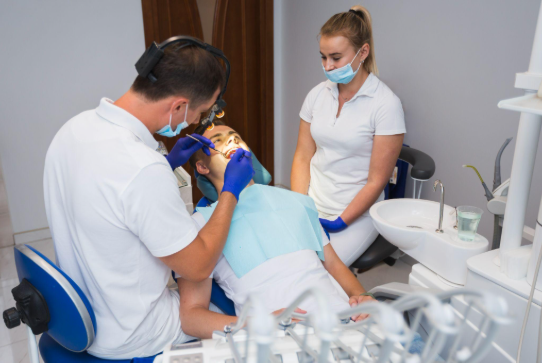
Dental care has changed significantly over the years. What was once largely associated with treating toothaches, cavities, or damaged teeth has developed into a comprehensive healthcare discipline focused on prevention, function, comfort, aesthetics, and long-term wellbeing. Modern patients can now access a wider range of treatment options designed around different oral health needs. For people looking for dependable dental care, this evolution offers an important advantage: treatment can be more personalised, efficient, and comprehensive than ever before. From digital diagnostics and minimally invasive procedures to clear aligners, implants, cosmetic treatments, and specialised care for children, advancements in dentistry are helping patients approach oral health with greater confidence.
Moving Beyond Traditional Dental Treatment
Modern dentistry increasingly focuses on identifying potential problems before they become serious. Routine examinations allow dental professionals to evaluate teeth, gums, bite alignment, existing restorations, and other aspects of oral health. This preventive perspective can reduce the likelihood of unexpected complications. A small cavity identified early may require a relatively straightforward restoration, while delayed treatment could result in deeper decay and the need for more complex intervention. The same principle applies to gum health. Early signs of inflammation can often be addressed with improved hygiene and professional care, helping patients protect the supporting structures around their teeth.
Technology Improving Diagnosis and Treatment
One of the most significant developments in dentistry is the integration of advanced technology into everyday clinical workflows. Modern imaging and diagnostic tools can provide dental professionals with clearer information when assessing oral structures. Digital systems can support treatment planning and help clinicians understand the position and condition of teeth more accurately.
Technology can also contribute to improved precision during certain restorative, orthodontic, and implant procedures. For patients, the benefit is not limited to technical accuracy. Better visualisation can make it easier for dental professionals to explain findings and treatment options, allowing patients to participate more confidently in decisions about their care.
Comfortable Approaches to Restorative Dentistry
Restorative treatment aims to repair or replace damaged, decayed, or missing teeth while supporting oral function. Dental fillings, crowns, bridges, implants, and root canal procedures can each serve different purposes. Modern techniques are designed with greater attention to patient comfort and treatment efficiency. Improved instruments and clinical protocols can help reduce unnecessary discomfort while allowing dental professionals to work more precisely.
Clearer and More Convenient Orthodontic Options
Orthodontic treatment has also become more flexible. Traditional braces continue to play an important role, but clear aligners have expanded the options available to patients who prefer a more discreet approach. These developments can make orthodontic treatment more compatible with professional responsibilities, social activities, and everyday routines. However, suitability varies from one case to another, making a professional assessment important before selecting a treatment method.
Cosmetic Dentistry with a Health-First Perspective
Aesthetic concerns are another reason people seek modern dental treatment. Discolouration, uneven teeth, visible gaps, or worn dental structures can affect how a person feels about their smile. Contemporary cosmetic dentistry offers options such as professional teeth whitening, aesthetic restorations, and treatments designed to improve the appearance of gaps or irregularities. Yet cosmetic dentistry should not be separated from oral health.
Before undergoing aesthetic treatment, patients may need an examination to identify cavities, gum problems, damaged teeth, or other conditions. Addressing these concerns first can create a healthier foundation for subsequent cosmetic procedures.
Specialised Care for Children
Children require a different approach to dental treatment because their teeth, jaws, and oral habits are still developing. Paediatric dental care can focus on prevention, early diagnosis, hygiene education, and monitoring of dental growth. A positive dental experience during childhood can also help establish healthier attitudes towards professional care.
Friendly communication and age-appropriate explanations may make appointments less intimidating while teaching children why brushing, healthy eating, and routine check-ups matter. Parents can benefit from professional guidance as well, particularly when questions arise regarding tooth eruption, thumb-sucking habits, cavities, or orthodontic development.
Making Dental Services More Accessible
Accessibility is not only about physical location. It also involves having a broad range of services, understandable treatment information, convenient appointments, and care that accommodates different patient needs. A well-equipped dental centre in Bangalore can provide patients with access to multiple areas of dentistry within a structured healthcare environment. When general, restorative, cosmetic, orthodontic, and preventive services are available through a coordinated approach, patients may find it easier to manage different aspects of their oral health. Accessibility also improves when dental teams communicate clearly about procedures, expected outcomes, maintenance requirements, and available alternatives. Patients who understand their options are better positioned to participate in treatment decisions.
The Value of Complete Oral Health Planning
A comprehensive dental assessment can connect seemingly separate concerns. For instance, tooth sensitivity may relate to enamel wear, gum recession, decay, or brushing habits. Similarly, a patient interested in improving their smile may also require treatment for underlying gum or restorative issues. By looking at oral health as a complete system, dental professionals can prioritise treatments appropriately. Preventive care can help maintain results after treatment, while regular follow-ups can identify new concerns at an earlier stage. This approach can also help patients avoid unnecessary procedures by focusing treatment on what is clinically appropriate for their circumstances.
Final Thoughts
The development of advanced dental technology and diverse treatment options has made oral healthcare increasingly focused on prevention, comfort, convenience, and individual needs. Patients can now access solutions that address not only immediate dental concerns but also long-term function and appearance.
For individuals seeking a broad and patient-oriented approach, Apple International Dental Care brings together multiple areas of dentistry, experienced professionals, contemporary facilities, and a wide treatment portfolio designed to support different oral health requirements. Its broader network also reflects an emphasis on making professional dental services more convenient for patients across the regions it serves. Ultimately, better oral healthcare begins with timely attention and informed choices. Combining regular preventive visits with appropriate advanced treatments can help patients maintain healthier teeth, address concerns earlier, and enjoy greater confidence in their smiles throughout different stages of life.

