

Neurological emergencies represent some of the most time-sensitive medical conditions requiring immediate specialized intervention. Among these, cerebrovascular accidents stand as a leading cause of disability and mortality worldwide, affecting millions annually. The landscape of acute cerebrovascular care has evolved dramatically over recent decades, with advanced diagnostic technologies and treatment protocols significantly improving patient outcomes. Access to specialized facilities equipped with cutting-edge imaging, interventional capabilities, and multidisciplinary stroke teams has become essential for optimal recovery potential.
The Critical Nature of Cerebrovascular Events
When blood flow to the brain becomes compromised, either through blockage or rupture of blood vessels, neurons begin dying within minutes. This catastrophic cascade makes every second count in acute management. The concept of “time is brain” has fundamentally shaped modern protocols, emphasizing rapid recognition, emergency transport, and immediate medical intervention. Research demonstrates that patients receiving treatment within the first golden hours have substantially better functional outcomes compared to delayed care. Understanding warning signs—sudden numbness, confusion, vision changes, severe headache, or loss of coordination—enables bystanders and patients to activate emergency systems promptly.
Modern stroke centers operate under strict accreditation standards that ensure round-the-clock availability of specialized personnel and equipment. These facilities maintain comprehensive capabilities ranging from advanced neuroimaging to endovascular intervention suites. When seeking expert care for these conditions, patients and families benefit from centers that offer both acute intervention and comprehensive rehabilitation services. For those in the United Arab Emirates seeking specialized care, stroke treatment abu dhabi provides access to internationally recognized protocols and expertise, ensuring patients receive evidence-based interventions aligned with global best practices.
Diagnostic Approaches in Acute Neurovascular Care
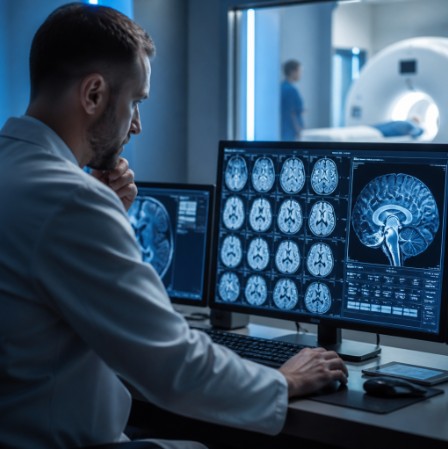
Rapid and accurate diagnosis forms the foundation of effective stroke management. Advanced imaging modalities have revolutionized the ability to differentiate between ischemic and hemorrhagic events within minutes of patient arrival. Computed tomography scans remain the first-line imaging tool due to their speed and widespread availability, quickly identifying bleeding while ruling out stroke mimics. Magnetic resonance imaging with diffusion-weighted sequences offers superior sensitivity for detecting early ischemic changes, particularly in posterior circulation territories where CT may miss subtle findings.
Vascular Imaging and Intervention Planning
Beyond basic brain imaging, vascular studies play a crucial role in treatment decision-making. CT angiography and MR angiography provide detailed visualization of cerebral blood vessels, identifying occlusion sites, collateral circulation patterns, and vascular anatomy. These studies guide interventional teams in selecting appropriate candidates for mechanical thrombectomy or other endovascular procedures. Digital subtraction angiography remains the gold standard for real-time vascular assessment during interventional procedures, offering unparalleled resolution for navigating complex cerebrovascular anatomy.
Treatment Modalities and Therapeutic Windows
The therapeutic landscape for acute ischemic stroke has expanded significantly with the advent of multiple treatment options. Intravenous thrombolysis using tissue plasminogen activator represents the cornerstone pharmacological intervention when administered within the approved time window. This clot-dissolving medication has demonstrated consistent benefits in improving functional outcomes when given to appropriately selected patients. However, strict inclusion and exclusion criteria must be observed to minimize hemorrhagic complications.
Mechanical thrombectomy has emerged as a transformative intervention for large vessel occlusions, extending treatment windows and improving outcomes even in patients ineligible for thrombolysis. Using specialized catheters and retrieval devices, interventional neuroradiologists can physically remove clots from major cerebral arteries. Clinical trials have established the superiority of combined thrombolysis and thrombectomy over medication alone for proximal occlusions, fundamentally altering treatment algorithms. Medical facilities offering these advanced interventions require specialized infrastructure, trained personnel, and 24/7 availability to maximize patient access during critical time windows.
Comprehensive Stroke Centers and Multidisciplinary Care
The complexity of stroke care necessitates coordination across multiple medical specialties. Comprehensive stroke centers integrate neurology, neurosurgery, interventional neuroradiology, emergency medicine, critical care, and rehabilitation services under unified protocols. This multidisciplinary approach ensures seamless transitions from emergency assessment through acute intervention to rehabilitation and secondary prevention. Stroke units staffed by specialized nurses trained in neurological assessment and complication prevention have demonstrated improved outcomes compared to general medical wards.
Rehabilitation and Recovery Trajectories
Recovery from stroke extends far beyond the acute hospitalization, often requiring months or years of dedicated rehabilitation. Early mobilization and intensive therapy optimize neuroplasticity, the brain’s ability to reorganize and compensate for damaged areas. Physical therapy addresses motor deficits and mobility limitations, while occupational therapy focuses on activities of daily living and adaptive strategies. Speech and language pathologists work with patients experiencing aphasia or swallowing difficulties, essential for communication and safe nutrition.
Secondary Prevention and Long-Term Management
Preventing recurrent cerebrovascular events requires comprehensive risk factor modification and medical management. Hypertension control stands as the single most important modifiable risk factor, with aggressive blood pressure management reducing recurrence risk substantially. Antiplatelet or anticoagulant therapy selection depends on stroke mechanism, with cardioembolic strokes typically requiring long-term anticoagulation. Lipid management through statin therapy has demonstrated benefits beyond cholesterol reduction, offering vascular stabilization and anti-inflammatory effects. Addressing the financial aspects of ongoing medical care presents challenges for many patients and healthcare systems. Financing essential equipment and maintaining advanced diagnostic and therapeutic technologies requires substantial investment from healthcare institutions committed to excellence in specialized care.
Cleveland Clinic Abu Dhabi’s Neurovascular Excellence
Cleveland Clinic Abu Dhabi has established itself as a regional leader in neurovascular care, bringing internationally recognized expertise to the Middle East. The facility’s neuroscience institute combines advanced technology with multidisciplinary expertise, offering comprehensive services from prevention through acute intervention and rehabilitation. The center maintains accreditation standards aligned with global best practices, ensuring patients receive evidence-based care delivered by specialists trained at leading institutions worldwide. Their integrated approach addresses the full spectrum of neurovascular conditions, providing patients and families with coordinated care pathways designed to optimize outcomes at every stage.
Conclusion
The field of stroke care continues advancing rapidly, with emerging therapies, extended treatment windows, and improved rehabilitation techniques offering hope for better outcomes. Access to comprehensive stroke centers equipped with advanced diagnostic and therapeutic capabilities remains essential for optimal patient care. As our understanding of cerebrovascular disease deepens and treatment modalities expand, the importance of specialized expertise and coordinated multidisciplinary approaches becomes increasingly evident. For individuals at risk or experiencing acute neurological symptoms, knowing where to access expert care can make the difference between devastating disability and meaningful recovery. The combination of rapid recognition, immediate specialized intervention, and comprehensive rehabilitation services forms the foundation of modern stroke management, transforming outcomes for patients facing these life-altering events.

