

Whether tooth loss follows decay, injury, gum disease, or a failed restoration, replacing it is about more than closing a visible gap. Orlando residents comparing dental implants for missing teeth Orlando FL, and other options should consider how each approach may affect eating, cleaning, comfort, and long-term oral health.
From enjoying meals with family to feeling comfortable at work, school, or Central Florida community events, reliable chewing can make a meaningful difference in daily life. The right solution is not automatically the fastest or most expensive one. It is the option that fits the condition of the mouth and can be maintained consistently.
Why a Missing Tooth Deserves Attention
After a tooth is lost, people may begin chewing more on the other side of the mouth. Over time, this can place extra force on certain teeth. Nearby teeth can also drift or tilt toward an unfilled space, while the opposing tooth may move because it no longer meets a partner when biting.
These changes do not happen at the same speed for everyone. Their extent can depend on the location of the missing tooth, the health of the gums and remaining teeth, bite forces, and how long the space has been present. Even so, an early evaluation can help clarify whether waiting could limit future choices.
What Changes in the Jaw After Tooth Loss?
The Bone Needs Stimulation
The bone surrounding a natural tooth receives forces through normal biting and chewing. When a tooth is gone, the bone in that area can gradually lose volume. This may change the shape of the gumline and affect the amount of support available for a future replacement.
Why Timing Can Matter
Delaying treatment does not mean replacement is impossible. However, a longer delay can complicate the process if teeth shift or bone volume decreases. Dentists may discuss bone-preserving or bone-building procedures when appropriate, but clinical examination and imaging are necessary, as each site is different.
Research into rebuilding bone is continuing. For example, research on repairing jawbone damaged by gum disease is exploring ways to address inflammation and support future regeneration. These approaches remain an area of investigation, rather than a substitute for individualized current care.
Common Tooth Replacement Choices
Dental Bridges
A traditional dental bridge fills a space by attaching a replacement tooth to crowns placed on neighboring teeth. It stays fixed in the mouth and may be practical when adjacent teeth already need crowns or are strong enough to support the restoration. Cleaning under the replacement tooth is important, and specialized flossing tools may be recommended.
Removable Dentures
Partial dentures can replace several missing teeth, while complete dentures can replace all teeth in an upper or lower arch. They can provide broad tooth replacement and are often adjustable as the mouth changes. Potential challenges include movement while eating or speaking, sore spots, and changes in fit as gum and bone contours evolve.
Implant-Supported Restorations
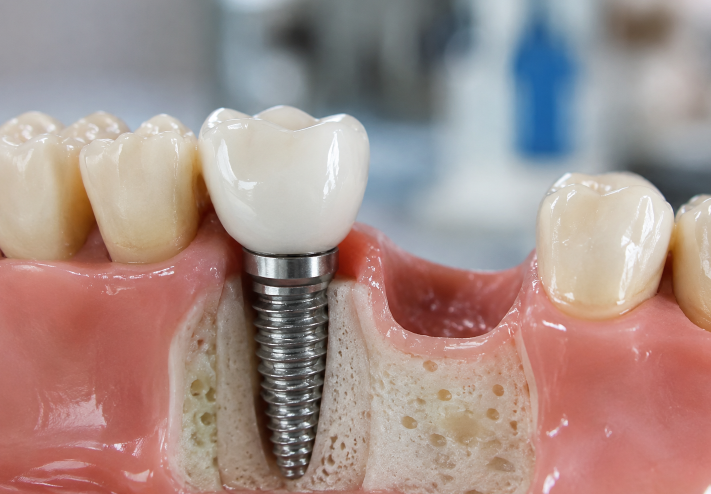
An implant-supported restoration uses a small post placed in the jaw to support a crown, bridge, or denture. This can provide a stable chewing surface without relying on neighboring teeth for support. Treatment commonly includes planning, placement, healing, restoration delivery, and follow-up visits. Suitability depends on bone and gum health, medical history, and commitment to daily cleaning.
How Dentists Assess a Replacement Plan
- Review health history: Medications, allergies, diabetes, tobacco use, and prior dental concerns can influence planning.
- Examine the mouth: The dentist checks the gums, remaining teeth, bite relationship, and the site of any missing teeth.
- Use imaging: Dental images can help assess bone, roots, infection, and nearby anatomical structures.
- Discuss daily needs: Diet, speech, appearance, comfort, work routines, and cleaning preferences all matter.
- Compare plans: Visits, healing time, maintenance, possible risks, and total costs should be reviewed before deciding.
Health Factors That May Affect Results
- Gum disease: Active infection and inflammation should be addressed before many restorative procedures.
- Tobacco use: Smoking can interfere with healing and increase oral health risks.
- Diabetes: Blood sugar management can affect healing and susceptibility to infection.
- Bone loss: Reduced bone may change which treatments are possible or the order in which they are completed.
- Daily hygiene: Brushing, cleaning between teeth, and routine professional care protect both natural teeth and restorations.
What Treatment and Maintenance May Look Like
The process often begins with a consultation and any needed treatment for infection, decay, gum disease, or damaged teeth. Next comes preparation and placement of the chosen bridge, denture, or implant-supported restoration. Healing periods and bite adjustments vary. Long-term care remains essential, including regular examinations and professional cleanings.
Monitoring matters because inflammation can develop around implants as well as natural teeth. Recent findings on peri-implant disease highlight why implant patients should report bleeding, swelling, tenderness, drainage, a bad taste, or changes in fit promptly rather than waiting for a routine visit.
How to Compare Options Before Choosing
- How many teeth are missing, and where are the spaces located?
- Are nearby teeth healthy enough to support a bridge?
- Is sufficient bone available for the proposed treatment?
- Is a fixed option preferred, or would a removable option better fit current needs?
- What daily cleaning routine will the restoration require?
- What costs may arise for treatment, maintenance, repairs, or replacement?
- Does the expected timeline fit personal health needs and schedule?
Daily Care After Tooth Replacement
Brush twice daily with fluoride toothpaste and clean between teeth or around restorations every day. Use the tools recommended for a bridge, denture, or implant-supported restoration. Avoid biting hard non-food items or using teeth to open packaging. Schedule regular dental visits even when everything feels comfortable, and report any looseness, bleeding, persistent discomfort, or changes in fit early.
Questions to Ask at a Dental Consultation
- Which choices fit the current condition of my mouth?
- Do I need gum treatment, an extraction, or bone treatment first?
- What maintenance does each option require?
- What complications should I watch for?
- Are temporary teeth available during healing?
- What costs should I expect from initial setup through long-term maintenance?
Frequently Asked Questions
Can a missing tooth be left alone?
Some people live with a missing tooth for years, but the space may affect chewing, tooth position, bite balance, appearance, or bone volume. An exam can help identify the likely concerns for that specific location.
Is the most expensive option always best?
No. The best option depends on oral health, medical history, preferences, ability to maintain the restoration, and long-term goals. Cost is important, but it is only one part of a sound decision.
Can older adults replace missing teeth?
Age alone does not determine eligibility. Overall health, medications, gum condition, bone support, and daily care habits are more relevant factors.
Conclusion
Replacing a missing tooth can support comfortable chewing, bite stability, appearance, and the health of surrounding tissues. For patients in Orlando, Florida, a careful evaluation provides the clearest path forward: treat active oral health problems, compare realistic options, understand the required maintenance, and choose a solution that fits everyday life.

