

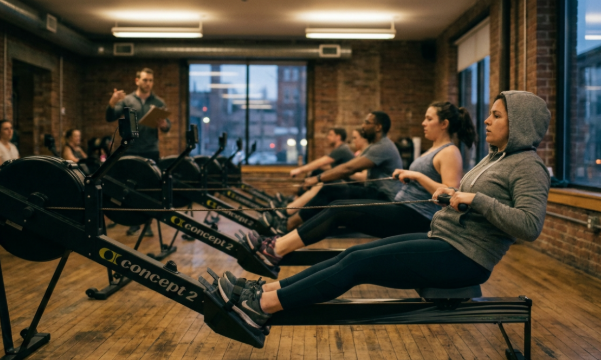
The rowing machine, a staple of both home and commercial gyms, offers a challenging cardiovascular workout by simulating the action of watercraft rowing. For many fitness enthusiasts, the ability to buy a rowing machine in Singapore provides convenient access to this versatile equipment.
Understanding the Mechanics of Rowing Machines
Rowing machines, also known as ergometers or ergs, operate by providing resistance as the user pulls on a handle attached to a flywheel via a chain or cord. This resistance can be altered depending on the machine type, such as air, water, magnetic, or hydraulic resistance. Each variant delivers a unique rowing experience, crucial for tailoring workouts to different fitness levels and objectives.
The biomechanics of rowing involve a smooth, coordinated effort from various muscle groups. The motion engages the entire body, including legs, back, arms, and core, making it an efficient total-body exercise.
Types of Rowing Machines
Air Resistance Rowers
These machines use a fan flywheel to generate resistance. The faster and harder you pull, the greater the resistance becomes. Air rowers are popular among athletes due to their smooth and natural rowing motion, which closely mimics on-water rowing.
Water Resistance Rowers
Water rowers contain a water-filled flywheel that creates resistance through drag. This system provides a realistic rowing experience, often preferred for its soothing water sound. The resistance level adjusts naturally to the user’s intensity, making it an adaptable option for multiple users.
Magnetic Resistance Rowers
In magnetic rowers, resistance is generated through a magnetic brake system against a spinning flywheel. This type allows for quiet operation and precise adjustment, typically via a console. Magnetic rowers are an excellent choice for those who value noise reduction in their workout environment.
Hydraulic Resistance Rowers
Hydraulic machines use cylinders filled with air or fluid to create resistance. They are usually smaller and more portable, making them suitable for home gyms with limited space. However, the rowing action can sometimes be less smooth compared to other types.
Benefits of Using a Rowing Machine
Cardiovascular Improvement
Regular use of a rowing machine significantly enhances cardiovascular endurance. By increasing heart rate through consistent rowing sessions, users can improve heart health, boost circulation, and reduce risk factors for heart disease.
Total Body Workout
Unlike many cardio machines that isolate specific muscle groups, the rowing machine offers a comprehensive, full-body workout. It involves up to 86% of the body’s muscles, including major muscle groups such as the quadriceps, hamstrings, glutes, lats, core, and arms.
Low-Impact Exercise
Rowing is a low-impact activity, making it suitable for individuals with joint concerns or those recovering from injuries. This quality allows for effective exercise without unnecessary strain on the joints, reducing the risk of exercise-induced injury.
Calorie Burning and Weight Management
Regular rowing sessions contribute to calorie burning, which assists with weight management and fat reduction. Depending on intensity and duration, users can burn significant calories, aiding in creating a calorie deficit for weight loss.
Key Considerations When Selecting a Rowing Machine
Choosing the right rowing machine involves considering factors such as intended use, available space, and personal fitness goals.
Space and Size
Evaluate the available space where the machine will be placed. Some rowing machines, like water and air rowers, are larger due to their extended frames. If space is a concern, consider foldable models or hydraulic rowers, which typically have a smaller footprint.
Noise Level
For those who prefer a quieter workout or live in shared spaces, magnetic rowers are ideal due to their silent operation. Water rowers also offer a pleasant auditory experience with the sound of flowing water.
Budget
Rowing machines can vary widely in price. High-quality machines with advanced features may command a higher price point. Allocate a budget that aligns with your preferences while prioritising durability and reliability over additional features that might not be essential.
User-Friendly Features
Consider features like digital displays, preset workout programmes, and Bluetooth connectivity for a more interactive workout experience. These features can greatly enhance the usability and enjoyment of your rowing sessions.
Common Mistakes to Avoid on Rowing Machines
For an effective workout, employing correct form is essential. Keep these points in mind to avoid common mistakes:
– Improper Form: Maintain a neutral back position, engage your core, and avoid excessive backward movement at the end of the drive.
– Overuse of Upper Body: Rowing should be a leg-driven exercise. Avoid pulling too much with your arms while neglecting leg power.
– Rushing the Recovery: After completing the drive, allow full extension before starting the next stroke. Proper rhythm enhances efficiency and reduces fatigue.
Incorporating Rowing Machines into Your Fitness Routine
To maximise the benefits of rowing, integrate varied workouts into your fitness regimen. Mixing steady-state rows with high-intensity intervals encourages cardiovascular improvement and muscular endurance. Tracking your performance, such as stroke rate and split times, allows for continuous progression and goal setting.
Whether at home or in a public gym, rowing machines offer unmatched versatility and effectiveness. They are a vital tool for cardiovascular improvement, strength enhancement, and overall fitness progression. Thus, selecting the right machine, developing good form, and continuously challenging yourself can serve to vastly improve your health and fitness outcomes.

