

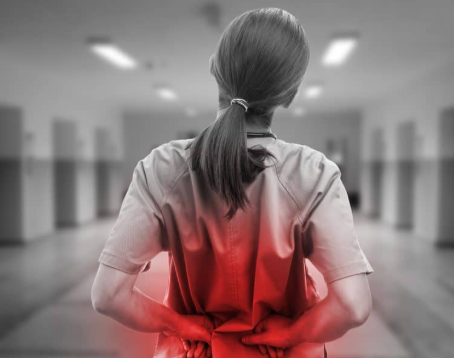
Healthcare workers spend much of their day helping people who are sick, injured, frightened, or physically dependent on others. That responsibility places them in situations that are harder to control than many ordinary work environments. A nurse lifting a patient, an aide responding to a fall, or an emergency worker handling an agitated individual often has little time to prepare before physical strain or injury occurs, which can later make filing a claim after getting hurt at work part of the recovery process.
Those risks are made more serious by long shifts, repeated movements, exposure to illness, and the pressure to keep working even when a unit is understaffed. Workplace injuries in healthcare are rarely tied to one type of accident. They often develop through a combination of physical demands, sudden incidents, and repeated exposure.
Patient Handling Puts Heavy Strain on the Body
Moving patients is one of the most physically demanding parts of healthcare work. Even with lifting equipment available, workers still reposition people in beds, assist them into chairs, steady them in bathrooms, and react quickly when someone begins to fall.
A patient does not move like a box or piece of equipment. Their weight shifts unexpectedly, and they may become weak, confused, or unsteady without warning. One awkward movement is enough to strain the lower back, shoulder, neck, wrist, or knee.
Repeated lifting matters too. A worker who performs the same movements throughout every shift may gradually develop pain rather than suffer one obvious accident. Tendon injuries, back problems, and joint strain often build over time, which sometimes makes the connection between the condition and the job harder to document.
Slips and Falls Happen in Busy Clinical Areas
Healthcare facilities rarely stay still. Staff members move between rooms, transport equipment, respond to call lights, deliver medication, and assist patients throughout the day.
Wet floors, cords, carts, dropped supplies, and crowded hallways create opportunities for slips and trips. A worker rushing toward an emergency has even less time to notice something in the walkway.
Falls often produce injuries to the hands, wrists, knees, hips, or back. Even a relatively minor fall may become more serious when the worker lands awkwardly or strikes nearby equipment.
Needles and Exposure Create Risks Most Workers Never Face
Healthcare employees regularly work around blood, bodily fluids, sharp instruments, medications, and infectious illnesses. That creates a category of occupational risk that is uncommon in many other fields.
Needlestick injuries remain one of the clearest examples. A brief accident involving a used needle may require testing, follow-up appointments, medication, and ongoing monitoring. Workers in laboratories, operating rooms, emergency departments, dental settings, and other clinical environments face similar exposure concerns.
Respiratory illnesses are another part of the job. Close contact with patients means healthcare workers often encounter contagious conditions before the illness has even been identified.
Fun fact: Healthcare work is unusual because an employee may face both an immediate injury risk and an exposure risk during the same task. Assisting an unstable patient, for example, may involve lifting strain, a fall hazard, contact with bodily fluids, and the possibility of being struck or scratched within a matter of seconds.
Workplace Violence Is a Serious Occupational Hazard
Patients do not always arrive calm and cooperative. Pain, confusion, medication, intoxication, psychiatric conditions, or neurological problems sometimes lead to unpredictable behavior.
Nurses, aides, emergency staff, and other workers may be grabbed, pushed, kicked, bitten, or struck while trying to provide care. Some injuries happen during restraints or while preventing a patient from harming themselves.
Violence in healthcare does not always leave obvious injuries. A worker may have bruising, muscle strain, or joint damage that becomes more painful after the shift ends. Reporting the incident promptly creates a record of what happened and how the injury started.
Long Shifts Make Small Problems Harder to Ignore
Physical fatigue changes how people move. After hours of standing, bending, walking, and lifting, muscles tire and reaction time slows. Tasks that felt routine earlier in the shift require more effort.
Healthcare workers also tend to continue working through discomfort because patients still need attention. A sore shoulder or aching back gets pushed aside until the pain begins affecting normal movement. By that point, the worker may need medical treatment and time away from regular duties.
Accurate documentation becomes especially useful in these situations. Incident reports, medical records, work schedules, witness statements, and descriptions of repeated job duties help establish how the condition developed.
Workers’ Compensation Lawyers Help When a Claim Becomes Difficult
Many workplace injuries are straightforward at first but become complicated once treatment, missed work, or insurance decisions enter the picture. Disagreements may arise over whether an injury happened at work, whether treatment is necessary, or whether a condition resulted from repeated job duties rather than a single accident.
Workers’ compensation lawyers help injured healthcare employees understand the claims process, organize medical and employment records, respond to disputed claims, and address problems involving treatment or wage benefits. Their involvement becomes especially useful when an injury developed gradually, a claim has been denied, or the worker feels pressured to return before recovery is complete. Nearby location details are provided below for anyone who wants a clearer sense of where to turn next:
Healthcare workers spend their careers caring for other people, often under difficult physical conditions. When the job itself causes an injury, taking the injury seriously from the start gives the worker a clearer path toward treatment, documentation, and a safer return to work.

