

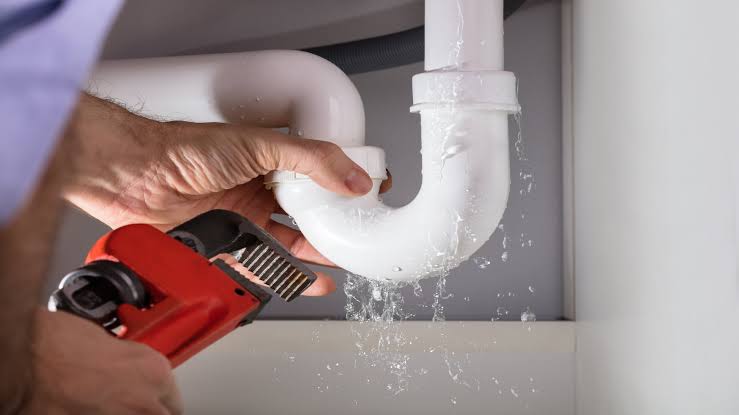
Water leaks are among the most common maintenance problems that property owners encounter, yet they are often ignored until visible damage becomes difficult to overlook. A small dripping faucet, damp patch beneath a sink, unexplained stain on a ceiling, or sudden increase in water usage may seem insignificant at first, but these signs can indicate a larger plumbing problem. When water escapes from pipes, fixtures, roofs, appliances, or other systems, it can gradually damage building materials and create conditions that encourage mold, mildew, odors, and structural deterioration. Timely leak repair can help limit these problems by addressing the source before moisture spreads into surrounding areas. Understanding how leaks develop, recognizing warning signs, locating hidden water loss, selecting appropriate repair methods, and maintaining plumbing systems can help property owners protect their buildings and avoid unnecessary repair expenses.
Understanding Common Types of Water Leaks
Leaks can occur in many different parts of a property. Plumbing supply lines, drainpipes, faucets, toilets, water heaters, washing machines, dishwashers, refrigerators, and outdoor fixtures can all develop leaks. Some problems are easy to identify because water is visibly dripping from a connection or fixture, while others may remain concealed inside walls, ceilings, floors, or underground pipes.
A supply-line leak can release pressurized water continuously, meaning even a small crack can result in significant water loss. Drain leaks may appear only when a sink, bathtub, shower, or appliance is being used. Fixture leaks can be caused by worn washers, seals, valves, or connections.
There can also be leaks outside the plumbing system. Damaged roofing, deteriorated flashing, clogged drainage systems, and poorly sealed exterior openings can allow rainwater to enter a building. Identifying the source correctly is therefore essential before deciding how the problem should be fixed.
Early Warning Signs of a Leak
Some leaks produce obvious signs, while others are much more difficult to detect. A dripping faucet or visible puddle is easy to recognize, but hidden leaks can remain unnoticed for weeks or months.
Unexplained increases in water consumption may indicate that water is escaping somewhere in the plumbing system. Damp or discolored walls and ceilings can also point toward concealed moisture. Peeling paint, bubbling wallpaper, warped flooring, or swollen cabinetry may develop when water repeatedly enters a particular area.
Musty odors can suggest that moisture has accumulated behind surfaces or in poorly ventilated spaces. In some cases, property owners may hear running water when all fixtures are turned off.
These warning signs should be investigated promptly. Addressing a leak while it is still relatively small can help reduce the amount of secondary damage.
Why Small Leaks Should Not Be Ignored
A small leak may not appear serious because the amount of visible water is limited. However, continuous moisture exposure can gradually damage surrounding materials.
Wood may swell or deteriorate, drywall can become weakened, and insulation may retain moisture. Persistent dampness can also contribute to microbial growth and unpleasant odors.
Leaks near electrical components create additional safety concerns because water can come into contact with wiring, outlets, fixtures, or other electrical equipment.
A leak can also become larger without warning. A deteriorating pipe connection or damaged fitting may eventually fail completely, releasing a much greater volume of water.
Prompt investigation is therefore important even when the visible amount of water appears minor.
Common Causes of Plumbing Leaks
Plumbing leaks can develop because of aging components, corrosion, pressure fluctuations, loose connections, damaged seals, temperature changes, poor installation, and physical impact.
Flexible supply hoses may deteriorate over time, particularly when exposed to repeated movement or aging. Pipe joints can also begin leaking when seals or connection materials lose their effectiveness.
Corrosion may weaken metal pipes and eventually create pinhole leaks. Changes in water pressure can place additional stress on plumbing components.
Freezing conditions can cause water inside pipes to expand, potentially cracking or splitting plumbing. In other situations, construction activity or accidental impact may damage exposed pipes.
Determining the cause is important because replacing one fitting may not solve a larger problem involving aging or deteriorating plumbing.
Finding Hidden Leaks
Hidden leaks can be challenging because the source of visible moisture is not always located directly behind the stain or puddle. Water can travel along framing, ceilings, flooring, and other surfaces before becoming visible.
Professional plumbers may use moisture meters, acoustic equipment, thermal imaging, pressure testing, or other diagnostic techniques to locate difficult leaks.
A camera inspection can also be useful for certain plumbing systems, particularly when investigating concealed pipes or recurring drainage problems.
Accurate leak detection can reduce unnecessary demolition. Instead of opening large sections of a wall or floor based on guesswork, professionals can often narrow down the suspected source before repair work begins.
Checking Water Usage
Monitoring water consumption can provide an early indication of a plumbing leak. If water usage rises unexpectedly without a corresponding change in household or business activity, the plumbing system may deserve inspection.
Property owners can compare current consumption with previous billing periods or normal usage patterns. A persistent unexplained increase is more concerning than a temporary fluctuation.
If all visible fixtures are turned off and water continues to flow through the system, there may be a hidden leak.
However, water-usage changes can have several causes, so professional assessment may be needed before concluding that a leak is responsible.
Faucet and Fixture Leaks
Faucets are common sources of visible water loss. A dripping faucet may result from a worn washer, cartridge, valve, seal, or other internal component.
Although a faucet leak may seem like a minor inconvenience, continuous dripping wastes water and can eventually damage surrounding surfaces.
Toilet leaks can be more difficult to detect because water may escape silently into the bowl. A malfunctioning flapper, fill valve, or other component can cause the toilet to run continuously.
Sinks, showers, bathtubs, and outdoor fixtures may also develop leaks around connections and seals.
Replacing worn components can often restore proper operation without replacing the entire fixture.
Pipe Joint Leaks
Connections between pipes are vulnerable because they involve multiple components and sealing surfaces. Over time, joints may loosen, corrode, or develop damaged seals.
A joint leak may appear as moisture around a fitting, but the actual cause can sometimes be difficult to identify without inspection.
The appropriate repair depends on the pipe material and connection type. A professional may tighten, reseal, replace a fitting, or remove and replace a damaged section.
Repeated leakage at the same joint may indicate movement, pressure problems, corrosion, or another underlying issue.
Water Heater Leaks
Water heaters contain significant amounts of water, so leaks should be taken seriously. A leaking tank may indicate corrosion or internal deterioration, while water around fittings can result from loose connections or faulty valves.
Leaks from the bottom of a storage tank can be particularly concerning because they may indicate a failure within the tank itself.
Other warning signs can include rust-colored water, unusual sounds, or visible corrosion around connections.
Because water heaters involve both plumbing and, depending on the system, electrical or fuel components, professional evaluation may be appropriate.
Appliance-Related Leaks
Washing machines, dishwashers, refrigerators, and other appliances can develop leaks from hoses, valves, seals, connections, or internal components.
A washing machine supply hose can release a substantial amount of water if it fails while the machine is operating.
Dishwasher leaks may originate beneath the appliance and remain unnoticed until flooring or cabinetry becomes damaged.
Refrigerators with water dispensers or ice-making systems can also experience supply-line problems.
Appliance connections should be inspected periodically, particularly when equipment is older or has been moved recently.
Roof and Exterior Water Leaks
Not every water leak originates from plumbing. Roof and exterior building problems can also allow moisture to enter.
Damaged shingles, deteriorated flashing, clogged gutters, cracked sealants, and poorly sealed penetrations can create pathways for rainwater.
Roof leaks may appear as ceiling stains, but the actual entry point may be some distance away because water can travel along the underside of roofing materials before entering the interior.
Exterior leaks should therefore be investigated from both the interior and exterior when conditions allow.
Repairing the visible ceiling stain without correcting the roof or exterior source will not solve the underlying problem.
Basement and Foundation Leaks
Water can enter lower levels through foundation cracks, drainage problems, hydrostatic pressure, damaged waterproofing, or improperly directed surface runoff.
Persistent moisture in basements or below-grade spaces can contribute to odors, mold growth, damaged finishes, and deterioration.
Property owners should examine drainage around the building and ensure that rainwater is directed away from foundation walls.
If cracks repeatedly allow water to enter, professional evaluation can determine whether the issue is related to a minor surface defect or a larger structural or drainage concern.
Professional Leak Detection
Modern diagnostic equipment can make it easier to locate concealed leaks without immediately removing large areas of finished materials. Professionals may combine visual inspection with moisture readings, pressure testing, thermal imaging, acoustic tools, or camera systems.
The appropriate method depends on the suspected source and the building’s plumbing configuration.
Professional detection can be particularly valuable when a leak is hidden behind a wall, under flooring, beneath concrete, or within another difficult-to-access location.
Finding the source accurately is often just as important as completing the physical repair because an incorrect diagnosis can result in repeated problems.
Choosing the Right Repair Method
The correct repair method depends on the cause, location, pipe material, accessibility, and severity of the leak.
A damaged washer or valve may require only a component replacement, while a corroded pipe section may need to be removed and replaced.
If a leak results from improper installation, simply tightening a connection may not provide a lasting solution. The connection may need to be reconstructed correctly.
For older plumbing systems with widespread deterioration, replacing individual sections repeatedly may become less practical than upgrading a larger portion of the system.
A professional assessment can help determine the most appropriate approach.
Repairing Leaks Behind Walls
Leaks behind walls require careful attention because opening the wall creates additional restoration work. Before cutting into finished surfaces, professionals may attempt to identify the leak’s location using diagnostic equipment.
Once the affected pipe is located, the damaged section can be repaired or replaced. The wall then needs to be properly dried before reconstruction.
If moisture has remained inside the wall for an extended period, insulation, drywall, framing, or other materials may have been affected.
Simply repairing the pipe without addressing the surrounding moisture can leave secondary damage unresolved.
Floor and Slab Leaks
Leaks beneath flooring or concrete slabs can be particularly challenging. Signs may include unexplained warm spots, damp flooring, recurring moisture, sound changes, or unusually high water consumption.
Professional leak detection can help determine whether a concealed pipe beneath the floor is responsible.
Depending on the plumbing configuration and location of the damaged pipe, repairs may involve localized access, rerouting, or replacement.
The least disruptive approach depends on the specific circumstances and should be selected after accurate diagnosis.
Protecting Property During a Leak
When a significant leak occurs, the first priority should be stopping the water source if it can be done safely. Property owners should know where the main water shutoff is located and how to operate it.
Electrical hazards should also be considered. If water has reached electrical outlets, appliances, panels, or wiring, the affected area should not be approached unnecessarily.
Furniture, belongings, and other items can be moved away from water when it is safe to do so. Standing water should be addressed promptly to reduce the risk of additional damage.
For major leaks, professional assistance can help manage extraction, drying, and repairs alongside the plumbing work.
Preventing Future Leaks
Preventive maintenance can help reduce the likelihood of unexpected plumbing failures. Property owners should periodically inspect visible pipes, valves, hoses, faucets, toilets, appliances, and water heaters for corrosion, moisture, or deterioration.
Flexible hoses and aging connections should be replaced when they show signs of wear.
Water pressure should remain within appropriate limits for the plumbing system. Excessive pressure can place unnecessary stress on pipes and fixtures.
Property owners should also address dripping faucets, running toilets, and small moisture spots promptly rather than waiting for them to become major failures.
Benefits of Timely Professional Service
Professional leak repair can address the immediate source of water loss while also helping identify conditions that may contribute to future failures.
A qualified plumber can determine whether the problem involves a fixture, connection, pipe, appliance, drainage system, or another component.
Professional service may also reduce the risk of unnecessary property damage caused by trial-and-error repairs.
For concealed leaks, specialized detection equipment can help identify the source more accurately and reduce unnecessary disruption to walls, floors, ceilings, and other finished areas.
Understanding Repair Costs
The cost of leak repair can vary widely depending on the source and severity of the problem. Replacing a small fixture component is generally different from repairing a pipe beneath a floor or inside a wall.
Accessibility is another major factor. A visible pipe under a sink may be straightforward to reach, while a concealed line may require diagnostic work and controlled access to the affected area.
Additional costs may result from water extraction, drying, drywall repair, flooring replacement, mold remediation, or other secondary work when significant moisture damage has occurred.
Property owners should request a clear explanation of the recommended repair, associated costs, and any additional restoration that may be necessary.
Common Leak Repair Mistakes
One common mistake is treating only the visible water rather than identifying its source. Drying a wet surface does not resolve an active leak.
Another mistake is repeatedly tightening or patching a leaking connection without investigating why it continues to fail.
Using unsuitable materials can also create temporary solutions that deteriorate quickly. Plumbing components should be compatible with the pipe material and operating conditions.
Property owners should also avoid ignoring unexplained increases in water consumption. A hidden leak may continue for a long time without producing an obvious puddle.
Finally, concealed leaks should not be dismissed simply because the visible damage appears small. Moisture can travel and affect materials that cannot be seen.
When Professional Help Is Necessary
Professional assistance is appropriate when a leak cannot be located, when multiple plumbing fixtures are affected, or when water is entering walls, ceilings, floors, or other concealed areas.
It is also important when the problem involves a water heater, underground plumbing, significant flooding, sewage, electrical components, or suspected structural damage.
Emergency service may be necessary when a pipe has burst or a large volume of water is entering the property.
Attempting complicated repairs without suitable tools or knowledge can increase the damage and create additional safety concerns.
Final Thoughts
Effective leak repair is an important part of protecting a property from unnecessary water loss and moisture-related damage. Leaks can originate from faucets, toilets, supply lines, drainpipes, appliances, water heaters, roofs, foundations, and concealed plumbing systems. Because the source is not always located where the water becomes visible, accurate diagnosis is often essential.
Early warning signs such as damp areas, unexplained water usage, musty odors, peeling finishes, dripping fixtures, and unusual plumbing sounds should be investigated rather than ignored. Addressing a problem early can help limit damage to walls, floors, ceilings, cabinets, insulation, and other building materials.
Professional leak detection can be especially useful when the source is hidden. Specialized equipment can help identify moisture and plumbing problems while reducing unnecessary damage during the investigation.
Once the source is identified, the appropriate repair method depends on the damaged component, pipe material, accessibility, and overall condition of the system. In some cases, a simple component replacement is sufficient, while deteriorated plumbing may require more extensive work.
Preventive maintenance also plays an important role. Regularly checking visible plumbing, replacing aging hoses, monitoring water pressure, maintaining fixtures, and addressing small problems promptly can reduce the likelihood of major failures.
When water damage has already occurred, plumbing repairs should be accompanied by appropriate drying and restoration measures. Removing the source of water is only the first step; affected materials must also be evaluated to determine whether additional cleaning, drying, or replacement is necessary.
By combining regular inspections, responsible maintenance, timely leak repair, and professional assistance when needed, property owners can protect their plumbing systems and reduce the risk of costly water-related damage. A proactive approach not only preserves the condition of the building but also supports efficient water use and greater peace of mind over the long term.

