

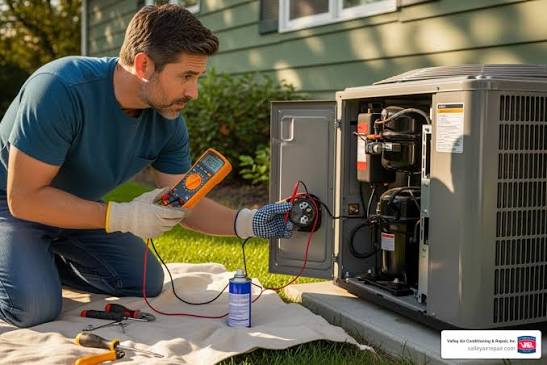
When the Wasatch Front turns hot and dry, Lehi air conditioners work long hours. If your system starts short-cycling, blowing warm air, or icing up, a few targeted checks can protect the equipment and help you explain the issue clearly to a technician. This article focuses on practical, safe steps you can take before a service appointment, plus Utah-specific factors that can make AC symptoms behave differently at elevation. The goal is not to turn you into a technician, but to help you recognize patterns, avoid damage, and decide when to shut the system down and schedule a repair.
-
What Short Cycling, Warm Air, and Ice on the Lines Usually Indicate
Rapid on-and-off cycling often points to airflow or refrigerant side problems. A clogged return filter or closed supply registers increase static pressure, which can make the evaporator coil too cold and cause it to frost over. Low refrigerant from a leak can do the same because the coil temperature drops below freezing. Either way, you may get a cold, sweaty suction line, reduced airflow from the vents, and eventually no cooling at all. If your outdoor fan runs but the compressor keeps stopping, a tripped high-pressure switch from a dirty condenser coil is another possibility.
Warm air from the vents with a silent outdoor unit may signal a failed capacitor or contactor. In contrast, a running outdoor unit with poor indoor airflow may indicate a clogged filter, an iced evaporator, or a blower motor issue. If you suspect a frozen coil, turn off cooling and run the fan to melt the ice before you seek air conditioner repair in Lehi, UT. Chipping ice can bend fins or puncture tubing, so let it thaw naturally and place towels under the air handler if accessible.
2. Safe Checks You Can Do Before Calling
Start with the thermostat. Confirm it is set to Cool, the setpoint is several degrees below the current temperature, and the fan is on Auto unless you are thawing ice. Verify the AC breaker is on and that any outdoor disconnect is firmly seated. Next, inspect your return filter. If it is loaded with dust or cottonwood fluff, replace it. High MERV filters catch more particles, but they can also raise static pressure when dirty. Keep at least two feet of clearance around the condenser, and, if it is dusty, gently rinse the coil from the inside out using a garden hose with the power off.
Look for secondary symptoms. Water in or around the indoor unit can indicate a clogged condensate drain or a tripped float switch that shuts cooling off to prevent overflow. If the suction line outside is encased in ice, switch cooling off immediately and run the fan to melt it. If the outdoor fan blade is not spinning but you hear a humming sound, leave the panel closed. That pattern often indicates a failed capacitor, which is dangerous to handle without training. Note any error codes shown on your thermostat or blinking LED boards if visible without removing covers.
3. Utah Specific Conditions That Skew AC Symptoms
Lehi’s elevation and arid climate change how air conditioners behave. Thinner air at altitude reduces heat transfer through the condenser coil, so systems often run longer on very hot days, and pressures may differ from sea level expectations. Dry air also allows dust and cottonwood fibers to mat condenser fins quickly, leading to high head pressure and nuisance shutdowns unless the coil is rinsed during peak season. Meanwhile, hot attics and leaky supply ducts can make upstairs rooms lag, which some homeowners try to fix by closing vents downstairs. That workaround raises static pressure and can push a marginal system into short cycling or coil icing.
Oversized equipment is another regional wrinkle. In dry climates where dehumidification is less demanding, some homes end up with more tonnage than they need. A unit that is too large can short cycle on mild evenings, leaving rooms with uneven temperatures and stressing components. If you suspect oversizing, avoid deep thermostat setbacks that cause rapid swings. A smaller setback over a longer period is easier on the compressor and can preventfreeze-upss after the system sprints to catch up.
4. When to Shut It Down and Schedule Service
Certain symptoms call for an immediate stop. Repeated breaker trips, a burning or electrical smell, hissing from the indoor unit, or visible arcing require you to shut off power at the breaker and call a professional. Ice on the evaporator coil or suction line is another reason to stop the system and let it thaw. Take photos of the ice pattern, record unusual noises on your phone, and jot down when the issue started and what the thermostat was set to. Clear documentation helps a technician zero in on a failing capacitor, a stuck contactor, a restricted filter drier, or a metering device, such as a TXV, that isn’t regulating properly.
Two realistic examples: You return from a weekend trip and set the thermostat 12 degrees lower at once. The attic is hot, the filter is dusty, and the system ices within an hour. The fix is to thaw the coil, replace the filter, and cool the home in stages. Or, in late spring, cottonwood fluff mats the condenser in a week. The compressor overheats, trips on high pressure, and the house slowly warms. Gently rinse the coil, let the unit cool, and then schedule a check to prevent repeated trips.
Prevention That Pays Off in August
Routine care reduces surprise breakdowns during the hottest stretch. Replace filters on schedule with a MERV rating that balances capture and airflow, often MERV 8 to 11 for many residential systems. Keep shrubs trimmed to maintain condenser clearance and rinse the coil after windy days or days with heavy cottonwood. Flush the condensate drain with a mild vinegar solution at the start of summer, confirm the drain trap is primed, and inspect the suction line insulation near the outdoor unit to make sure it’s intact. If some rooms consistently lag, ask a technician to evaluate duct leaks, return placement, and total external static pressure before you start closing supply registers.
A few smart use habits help as well. Use moderate thermostat setbacks instead of extreme drops, especially after you’ve closed up the home. If you are comfortable, keep the blower running for a short time after sunset to even out temperatures between floors. Shade over the condenser can reduce radiant heat, but don’t block airflow or place decorative covers against the coil. If you prefer to leave this work to a professional, a spring tune-up that includes coil cleaning, electrical testing of capacitors and contactors, refrigerant-side checks, and a look at the blower wheel can catch small issues before they become calls for a loss of cooling.
Air conditioners speak through patterns long before they quit. By recognizing short cycling, ice formation, weak airflow, and outdoor unit behavior, you can take a few safe steps to protect the system and describe the problem accurately. Utah’s elevation and dry heat add quirks, but the fundamentals are the same: preserve airflow, keep coils clean, and do not push a struggling unit. When in doubt, shut it down and book a qualified HVAC technician in Lehi to complete the diagnosis and fix the underlying cause.

