

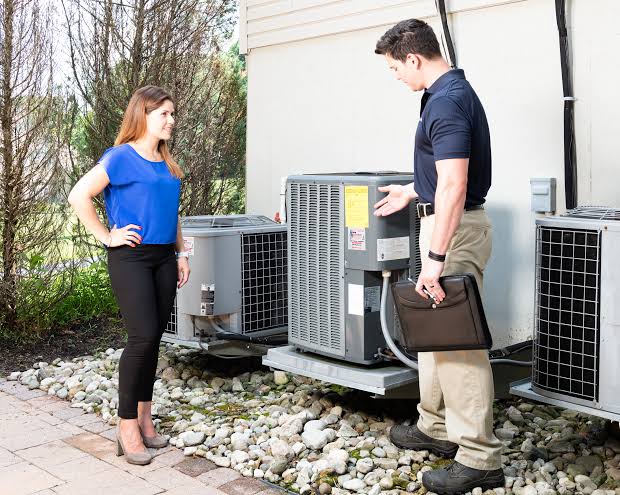
A comfortable indoor environment depends heavily on the performance, condition, and suitability of the cooling system serving a property. When an existing air conditioner becomes unreliable, inefficient, or difficult to maintain, installing a new system can provide an opportunity to improve comfort while addressing problems that may have developed over years of operation. A successful AC installation involves much more than placing a new outdoor unit beside a building and connecting it to existing equipment. The system needs to be properly selected, correctly sized, carefully installed, and thoroughly tested so that each component can work together as intended. Factors such as the building’s layout, insulation, windows, ductwork, airflow requirements, electrical capacity, thermostat controls, and expected cooling demand can all influence the final result. Taking these considerations seriously can help property owners avoid common installation problems and establish a cooling system that delivers dependable performance. Professional installation also provides an opportunity to identify weaknesses in the existing setup and address them before they affect the operation of the new equipment.
Understanding the Importance of Proper System Selection
Choosing a suitable air conditioning system is one of the most important decisions in a cooling project because equipment that does not match the property’s requirements may struggle to provide consistent comfort. A system that is too small can run for extended periods without adequately cooling the space, while an oversized unit may cycle on and off too frequently and fail to provide balanced humidity control. Equipment selection should therefore consider more than the physical size of the property. The building’s insulation, window characteristics, ceiling height, occupancy patterns, orientation, existing ductwork, and internal heat sources can all influence cooling demand. A professional evaluation can help determine the appropriate capacity and system configuration instead of relying only on a basic square-footage estimate. Property owners may also need to consider energy efficiency, maintenance requirements, available features, noise levels, and compatibility with existing controls. Selecting equipment carefully at the beginning can make the installation process more effective and reduce the possibility of performance problems caused by an unsuitable system.
Evaluating the Existing Cooling Infrastructure
Before new equipment is installed, the existing cooling infrastructure should be evaluated to determine which components can remain and which may require modification or replacement. Ductwork is particularly important because a high-quality air conditioner cannot compensate for severely restricted, leaking, poorly designed, or improperly sized air distribution pathways. If conditioned air is lost through damaged ducts or certain areas receive inadequate airflow, occupants may continue experiencing comfort problems even after new equipment is installed. Electrical components should also be reviewed because modern systems may have specific electrical requirements that differ from older equipment. Drainage arrangements, refrigerant lines, thermostat wiring, mounting areas, and outdoor unit placement may likewise require attention. Examining these elements before installation allows potential obstacles to be addressed as part of the project rather than discovered after the new system is already operating. This comprehensive approach can improve reliability and help ensure that the replacement equipment is supported by infrastructure capable of delivering its intended performance.
Proper Sizing Supports Consistent Comfort
Correct equipment sizing has a direct relationship with indoor comfort and system performance. An air conditioner needs sufficient capacity to remove heat from the property while operating for an appropriate amount of time. If equipment is substantially oversized, it may satisfy the thermostat quickly and shut down before adequately controlling indoor humidity. Frequent cycling can also create unnecessary wear and may prevent the system from operating as efficiently as intended. On the other hand, an undersized system may operate continuously during periods of high cooling demand while still struggling to maintain the desired indoor temperature. Proper sizing requires consideration of multiple characteristics rather than simply choosing the largest available unit. Professional calculations and evaluation can provide a more accurate understanding of the property’s cooling requirements. This is especially important when a building has undergone renovations, additions, insulation improvements, window replacements, or other changes since the previous air conditioner was installed. A new system should reflect the property’s current conditions rather than automatically duplicating the capacity of an older unit.
Preparing the Installation Area
The physical location of both indoor and outdoor equipment can influence accessibility, airflow, maintenance, and long-term performance. Outdoor units require adequate clearance so that air can move properly around the condenser and technicians can access components during routine service. The installation surface should also provide appropriate stability and support. Indoor equipment needs sufficient space for airflow, connections, drainage, and future maintenance. Crowded or poorly planned installation areas can make routine servicing more difficult and may contribute to operational limitations. During planning, technicians can evaluate the available space and determine whether the proposed equipment can be installed safely and conveniently. Attention should also be given to drainage because condensation produced during cooling needs an appropriate path away from sensitive areas. Water management problems can result in leaks, property damage, or moisture-related concerns if drainage is not properly configured. Preparing the installation area carefully helps create a cleaner and more dependable system while making future maintenance easier for property owners and service professionals.
Connecting Refrigerant and Electrical Components
An air conditioning system depends on properly installed refrigerant and electrical connections to function correctly. Refrigerant lines need appropriate routing, secure connections, and proper preparation so that the cooling circuit can operate as designed. Electrical connections must also meet the equipment’s requirements and be installed correctly to support safe and dependable operation. These components should not be treated as minor details because installation errors can affect efficiency, performance, and equipment longevity. Professional technicians use appropriate procedures to inspect connections, verify system requirements, and test equipment after installation. Refrigerant-related work can require specialized tools and knowledge, while electrical work requires careful attention to system specifications and safety considerations. When these tasks are completed correctly, the air conditioner has a stronger foundation for reliable operation. Proper installation also reduces the risk of problems that might otherwise appear shortly after the equipment is placed into service.
Thermostat and Control Considerations
The thermostat acts as an important communication point between occupants and the cooling system. It determines when the equipment should operate based on temperature settings and, depending on the control system, may provide additional scheduling or comfort-management features. During a new installation, the thermostat should be compatible with the equipment and configured correctly so that the system can respond appropriately to indoor conditions. An incorrectly installed or poorly configured control can create symptoms that resemble equipment problems, such as inconsistent temperatures, excessive cycling, or failure to operate at the expected times. Modern thermostats may also provide information about system operation and energy usage, making them useful tools for managing indoor comfort. Property owners should understand the basic functions of their controls after installation, including temperature settings, scheduling features, and any available system alerts. Proper thermostat setup allows the new equipment to operate according to the property’s comfort requirements rather than leaving an important part of the system improperly configured.
Airflow and Ductwork Performance
Cooling performance depends heavily on how effectively conditioned air moves throughout the building. Even a highly efficient air conditioner may provide disappointing results if airflow is restricted by dirty filters, blocked registers, damaged ducts, inadequate returns, or other distribution problems. During installation, evaluating airflow can help determine whether the existing duct system is suitable for the new equipment. In some cases, improvements to duct connections, insulation, sealing, or distribution may be appropriate. Balanced airflow can help different areas of a property receive the amount of conditioned air they require, reducing the likelihood of significant temperature differences between rooms. Return airflow is also important because the system needs an appropriate path for indoor air to travel back through the equipment. If returns are restricted, the system may experience reduced airflow and increased operating strain. Addressing airflow as part of the installation project can therefore improve the overall performance of the cooling system and help occupants experience more consistent comfort throughout the property.
Testing the System After Installation
Installation should not be considered complete simply because the equipment starts running. A thorough commissioning process can help verify that the new system is operating correctly and that the major components are functioning together as intended. Technicians can inspect connections, check airflow, evaluate controls, examine operating conditions, and look for unusual sounds or other signs of improper operation. Testing can also help identify installation-related problems before they become more difficult to correct. If the system produces insufficient airflow, unusual cycling, inconsistent cooling, or unexpected noise immediately after installation, those symptoms should be investigated rather than assumed to be normal. Proper testing gives property owners greater confidence that the equipment has been installed according to its requirements. It also establishes useful baseline information about system operation that may help with future maintenance. Taking the time to verify performance at the beginning can reduce the possibility of small installation concerns developing into larger problems later.
Supporting Efficiency Through Maintenance
A new air conditioner can provide strong performance, but ongoing maintenance remains important after installation. Filters need to be monitored and replaced or cleaned according to the equipment’s requirements, while outdoor areas should remain sufficiently clear of debris and obstructions. Professional maintenance can provide a more comprehensive review of system conditions and may identify developing concerns before they lead to unexpected breakdowns. Over time, components naturally experience wear from repeated operating cycles, and accumulated dirt can affect airflow and heat transfer. Routine inspections can help keep these conditions under control and provide property owners with information about the system’s ongoing performance. Maintenance records are also useful because they document previous service and may help technicians understand the equipment’s history. A new system represents a significant investment, so protecting that investment through appropriate care can support reliable operation and help preserve performance throughout its useful service life.
Planning for Long-Term Cooling Needs
Installing a new air conditioner can be viewed as part of a property’s broader long-term comfort strategy rather than a single isolated project. Property owners should consider how current cooling needs may change as the building is renovated, occupied differently, or expanded. Improvements to insulation, windows, ductwork, or building controls can affect future cooling requirements, making it useful to consider the overall condition of the property when selecting new equipment. Long-term planning can also include understanding warranty requirements, scheduling professional maintenance, keeping equipment documentation, and learning the basic warning signs of developing problems. Having accurate information about the system’s model, installation date, maintenance history, and major repairs can simplify future service. A thoughtful installation provides a strong starting point, but continued attention is necessary to preserve the benefits of that investment. When equipment selection, installation quality, airflow, controls, maintenance, and building conditions are considered together, property owners can create a more dependable approach to indoor cooling.
Conclusion
A successful ac installation requires careful planning, appropriate equipment selection, accurate sizing, professional connections, effective airflow management, proper control setup, and thorough testing. Treating installation as a complete system project rather than simply replacing old equipment can help address underlying conditions that might otherwise limit the performance of new cooling equipment. Evaluating ductwork, electrical requirements, drainage, installation space, thermostat compatibility, and airflow before the system is placed into operation provides a stronger foundation for reliable service. Once the installation is complete, regular filter care, professional maintenance, and attention to unusual changes in performance can help preserve the system’s condition. Property owners who approach cooling improvements with both immediate comfort and long-term reliability in mind can make more informed decisions about equipment and supporting infrastructure. A carefully planned installation can therefore become an important investment in consistent indoor comfort, efficient operation, and dependable cooling performance for years to come.

