

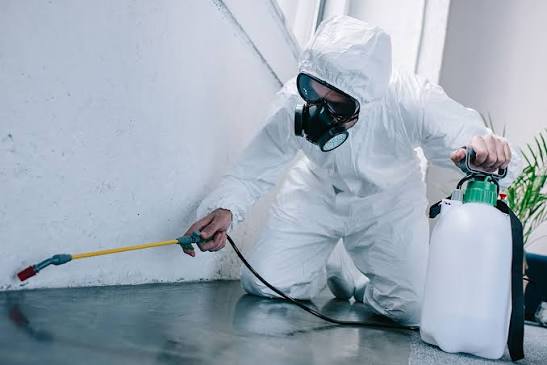
Pests can become a serious concern for homeowners and businesses when they find reliable sources of food, water, shelter, or suitable conditions for reproduction. Insects, rodents, and other unwanted organisms can enter buildings through surprisingly small openings and may remain unnoticed until their numbers increase. Some pests can damage property, contaminate food, create unpleasant odors, or make living and working environments uncomfortable. Developing an effective pest control strategy involves more than eliminating visible insects or setting traps after an infestation has already developed. It requires identifying the type of pest, understanding why it is present, locating potential entry points, removing conditions that support it, and applying appropriate treatment methods. A combination of prevention, monitoring, sanitation, structural maintenance, and professional treatment can help reduce the likelihood of recurring infestations.
Understanding Why Pest Problems Develop
Pests are attracted to environments that provide the basic resources they need to survive. Food scraps, standing water, overflowing trash, clutter, moisture, and accessible shelter can all create favorable conditions. Buildings with cracks, gaps around doors and windows, damaged screens, or openings around utility lines may provide convenient entry routes.
Seasonal changes can also influence pest activity. Certain insects become more noticeable during warmer periods, while rodents and other animals may seek sheltered spaces when outdoor conditions become less favorable. Construction, landscaping changes, plumbing problems, and weather-related damage can also alter conditions around a property and create new opportunities for pests to enter.
Understanding these contributing factors is essential because treating only the visible pests may provide temporary relief. If food, water, shelter, or access points remain available, new pests may continue to appear.
Identifying Common Household Pests
Different pests require different management strategies. Ants, cockroaches, termites, mosquitoes, flies, spiders, rodents, bed bugs, and stinging insects can all behave differently and require specialized approaches.
Ants may establish colonies indoors or around foundations and can enter through tiny openings while searching for food or water. Cockroaches often favor warm, dark, and moist areas and can hide in cracks, cabinets, appliances, and plumbing spaces.
Termites present a different type of concern because they can feed on cellulose-based materials and may damage structural wood over time. Rodents can chew through certain materials, contaminate areas with droppings, and establish nests in hidden locations.
Correct identification matters because a treatment designed for one species may not be appropriate for another. Misidentifying the pest can lead to ineffective treatment and allow the underlying problem to continue.
Why Early Detection Matters
Pest problems are generally easier to manage when identified early. A few ants near a food source may be addressed before a larger colony becomes established, while a small number of signs associated with rodents may provide an opportunity to identify and close entry points before significant activity develops.
Property owners should pay attention to unexplained droppings, damaged packaging, unusual odors, insect remains, nests, holes, gnaw marks, or repeated sightings. In some cases, pests may remain hidden while leaving indirect evidence behind.
Early detection is particularly important for pests that can cause structural damage. If a property owner notices mud tubes, damaged wood, discarded wings, or other signs associated with termites, a professional inspection may be appropriate.
Regular inspections can also help identify problems that would otherwise remain hidden behind appliances, inside cabinets, beneath sinks, around foundations, or in roof and attic spaces.
Keeping Food Sources Under Control
Food management is one of the most practical ways to reduce pest attraction. Food should be stored in sealed containers where appropriate, and spills or crumbs should be cleaned promptly.
Garbage should be contained securely, especially if it contains food waste. Outdoor trash containers should be kept closed, and areas around them should be cleaned regularly.
Pet food can also attract pests if it is left accessible for long periods. Food and water bowls should be managed according to the needs of the animal while avoiding unnecessary accumulation of food residue.
Businesses such as restaurants, food-processing facilities, warehouses, and grocery operations may require particularly rigorous sanitation procedures because large quantities of food can create significant pest pressures.
Managing Moisture and Water
Water is another major factor that can attract pests. Leaking pipes, dripping faucets, clogged drains, condensation, damaged gutters, and standing water can create favorable conditions for insects and other organisms.
Property owners should inspect areas beneath sinks, around appliances, near plumbing connections, and around exterior drainage systems. Leaks should be repaired promptly rather than allowing moisture to remain for extended periods.
Outdoor water sources should also be considered. Containers, poorly draining planters, clogged gutters, and other areas that hold water can contribute to mosquito activity.
Reducing unnecessary moisture does not guarantee that pests will disappear, but it can remove one of the conditions that makes a property more attractive to them.
Sealing Entry Points
Many pest problems begin outside the building. Small gaps around doors, windows, vents, pipes, cables, foundations, and roof penetrations can provide access.
Weatherstripping and door sweeps can help reduce gaps around exterior doors. Damaged screens should be repaired, while cracks and openings around utility penetrations should be evaluated and sealed with appropriate materials.
The building’s exterior should be inspected periodically because small openings can develop as materials age or after storms and construction work.
Sealing entry points is especially useful as part of a long-term strategy because it addresses how pests are getting inside rather than focusing exclusively on eliminating those that have already entered.
Maintaining Outdoor Areas
Landscaping can influence pest activity around a building. Overgrown vegetation, dense ground cover, piles of leaves, firewood, and accumulated debris can provide shelter for insects and rodents.
Plants and shrubs should be maintained so they do not create unnecessary access routes to the building. Tree branches that touch roofs or walls may provide pathways for certain pests, while dense vegetation immediately beside the structure can make inspection more difficult.
Firewood and other stored materials should be positioned appropriately and inspected for pests before being brought indoors. Outdoor storage areas should remain organized so that signs of activity are easier to detect.
Good landscape maintenance is therefore not only about appearance. It can also contribute to a property’s overall pest prevention strategy.
The Role of Professional Inspections
When pest activity is recurring, widespread, or difficult to identify, professional inspection can provide useful information. A trained technician can examine both visible and less obvious areas and look for evidence that may not be apparent to the property owner.
An inspection may include exterior walls, foundations, rooflines, crawl spaces, attics, garages, kitchens, bathrooms, storage areas, and other locations depending on the suspected pest.
The goal should be to determine the type of pest, the extent of activity, potential entry points, contributing conditions, and appropriate treatment options.
A good inspection is particularly important when the pest could cause structural damage or when previous treatments have not solved the problem.
Choosing Treatment Methods
Treatment methods vary according to the species and circumstances. Some problems may be addressed through sanitation and exclusion, while others require targeted products, traps, baits, or professional applications.
Chemical treatments should always be selected and used according to product instructions and applicable requirements. More product does not necessarily mean better results. Incorrect application can create unnecessary exposure risks or damage surfaces.
Baits can be useful for certain social insects because workers may carry the material back to the colony. Traps can be appropriate for some rodent problems when correctly positioned and monitored.
The treatment method should match the pest’s biology and behavior. A technician who understands where and how the pest lives can generally develop a more targeted approach than someone simply treating every visible insect.
Integrated Pest Management
Integrated Pest Management, commonly known as IPM, focuses on combining multiple strategies rather than relying exclusively on pesticides. These strategies can include monitoring, sanitation, exclusion, habitat modification, mechanical controls, and targeted chemical treatments when appropriate.
The advantage of this approach is that it addresses the conditions contributing to pest activity. If a property has a recurring cockroach problem caused by food residue and moisture, for example, treating the insects without addressing those conditions may produce limited long-term results.
IPM also emphasizes using treatments thoughtfully and proportionately. The objective is to manage the pest problem effectively while minimizing unnecessary intervention.
For residential and commercial properties, this approach can provide a structured framework for prevention and ongoing monitoring.
Managing Rodent Problems
Rodents require special attention because they can enter through relatively small openings and may reproduce quickly when conditions are favorable. Common signs include droppings, gnaw marks, nesting materials, scratching sounds, and damaged food packaging.
The first step should be identifying how rodents are entering the building. Openings around pipes, vents, foundations, doors, and utility lines can provide access.
Food storage and waste management are also important. Accessible food can encourage rodents to remain in an area even after some individuals have been removed.
Trapping may be part of a professional management program, but exclusion is essential for long-term prevention. If entry points remain open, new rodents may continue to enter after the original activity has been addressed.
Addressing Insect Infestations
Insects vary considerably in their habits. Ants, cockroaches, flies, mosquitoes, termites, bed bugs, and stinging insects each require different approaches.
Cockroaches often benefit from reducing food and moisture while sealing hiding areas and applying targeted treatments. Ant management may involve identifying trails and locating nesting areas. Mosquito reduction often requires attention to standing water around the property.
Bed bugs present a particularly challenging problem because they can hide in mattresses, furniture, cracks, and other areas. Their management may require a specialized inspection and treatment strategy.
Stinging insects should be handled carefully, particularly when nests are located near entrances or frequently used outdoor spaces. Attempting to remove certain nests without appropriate equipment or experience can create unnecessary risks.
Preventing Recurring Infestations
Eliminating an existing infestation is only part of the solution. Prevention helps reduce the likelihood that the same problem will return.
Regular inspections can identify developing issues before they become significant. Property owners should maintain clean storage areas, manage waste, repair leaks, seal openings, and keep landscaping under control.
Businesses should establish written sanitation and inspection procedures where appropriate. Employees can also be trained to recognize signs of pest activity and report them promptly.
Preventative measures are particularly valuable for properties that have experienced repeated infestations. Understanding why pests returned can help determine what changes are needed.
Pest Control in Commercial Properties
Commercial buildings may face unique pest management challenges because of their size, occupancy, food handling, storage practices, and operating schedules. Restaurants, hotels, warehouses, offices, retail stores, and industrial facilities can all have different pest risks.
A commercial program may involve scheduled inspections, monitoring devices, documentation, sanitation recommendations, and targeted treatments. Food-related businesses may require particularly careful monitoring because pests can affect sanitation and operations.
Property managers should maintain communication with service providers and employees so that signs of activity are reported quickly. Records of inspections and treatments can also help identify patterns over time.
Protecting Children and Pets
When pest treatments are used around homes, families should follow all safety instructions provided by the product manufacturer or pest professional. Children and pets may be more likely to come into contact with treated surfaces, so appropriate precautions are important.
Products should never be used in ways that contradict their labels. Food, pet bowls, toys, and other items may need to be removed or protected during certain applications.
Professional technicians can explain preparation requirements, re-entry instructions, and other precautions specific to the treatment being performed.
Seasonal Pest Prevention
Pest activity can change throughout the year. Warmer periods may increase insect activity, while colder conditions can encourage certain pests to seek indoor shelter.
Seasonal inspections can help property owners anticipate these changes. Before periods of increased insect activity, exterior cracks, screens, doors, drainage, and standing water should be checked.
During cooler periods, attention may shift toward exclusion and identifying sheltered areas where rodents or other pests could enter.
Seasonal prevention does not require waiting until pests become visible. Proactive maintenance can reduce the number of opportunities available to them.
How to Choose a Pest Management Professional
When professional assistance is needed, property owners should look for a provider with appropriate qualifications, experience, insurance, and knowledge of the specific pest involved. It is useful to ask what inspection process will be used and what treatment methods are being recommended.
A reputable provider should be able to explain the problem in understandable terms and identify the reasoning behind the proposed treatment. Property owners should also understand the expected service frequency, preparation requirements, warranty or follow-up policy, and any limitations.
Extremely broad promises should be treated cautiously. Pest problems can vary significantly between properties, and successful management often requires addressing environmental and structural conditions as well as the pests themselves.
Cost Considerations
The cost of pest management depends on the type and extent of the infestation, property size, treatment method, frequency of service, accessibility, and whether structural exclusion or repairs are required.
A small isolated insect problem may require a different service than a recurring rodent infestation or extensive termite activity. Routine preventative programs may also have different pricing from one-time treatments.
Property owners should compare the scope of service rather than looking only at the advertised price. A detailed proposal should explain inspections, treatments, follow-up visits, monitoring, and any additional work that may be necessary.
Common Mistakes to Avoid
One common mistake is treating visible pests without addressing the conditions that attract them. Spraying insects while leaving food residue, moisture, or entry points untouched may provide only temporary improvement.
Another mistake is delaying professional help when signs suggest a serious infestation. Structural pests, widespread rodent activity, and recurring infestations can become more difficult to manage over time.
Using excessive amounts of pesticide is also not a reliable strategy. Treatments should be selected and applied according to their labels and appropriate professional practices.
Finally, property owners should avoid assuming that one treatment will permanently prevent every future pest problem. Buildings are dynamic environments, and new pests can enter when conditions change.
Final Thoughts
Effective pest control is a combination of prevention, identification, sanitation, exclusion, monitoring, and appropriate treatment. Property owners can reduce pest pressures by controlling food and moisture, maintaining clean storage areas, sealing openings, managing landscaping, and inspecting buildings regularly.
When an infestation becomes established, identifying the pest correctly is essential because different species require different strategies. Professional inspection can help determine the extent of the problem and identify conditions that may be contributing to recurring activity.
Long-term success often comes from addressing the underlying reasons pests are present rather than relying exclusively on immediate chemical treatment. A comprehensive approach can make the property less attractive to pests while providing more effective management of existing problems.
For homeowners and businesses dealing with persistent activity, professional pest control services can provide specialized knowledge, targeted treatment, and ongoing monitoring. The most appropriate strategy will depend on the property, pest species, severity of the issue, and environmental conditions.
By combining professional assistance with good sanitation and preventative maintenance, property owners can create an environment that is less inviting to unwanted pests. Consistent attention is usually more effective than waiting for a minor issue to develop into a major infestation, making prevention an important part of protecting both the property and the people who use it.

