

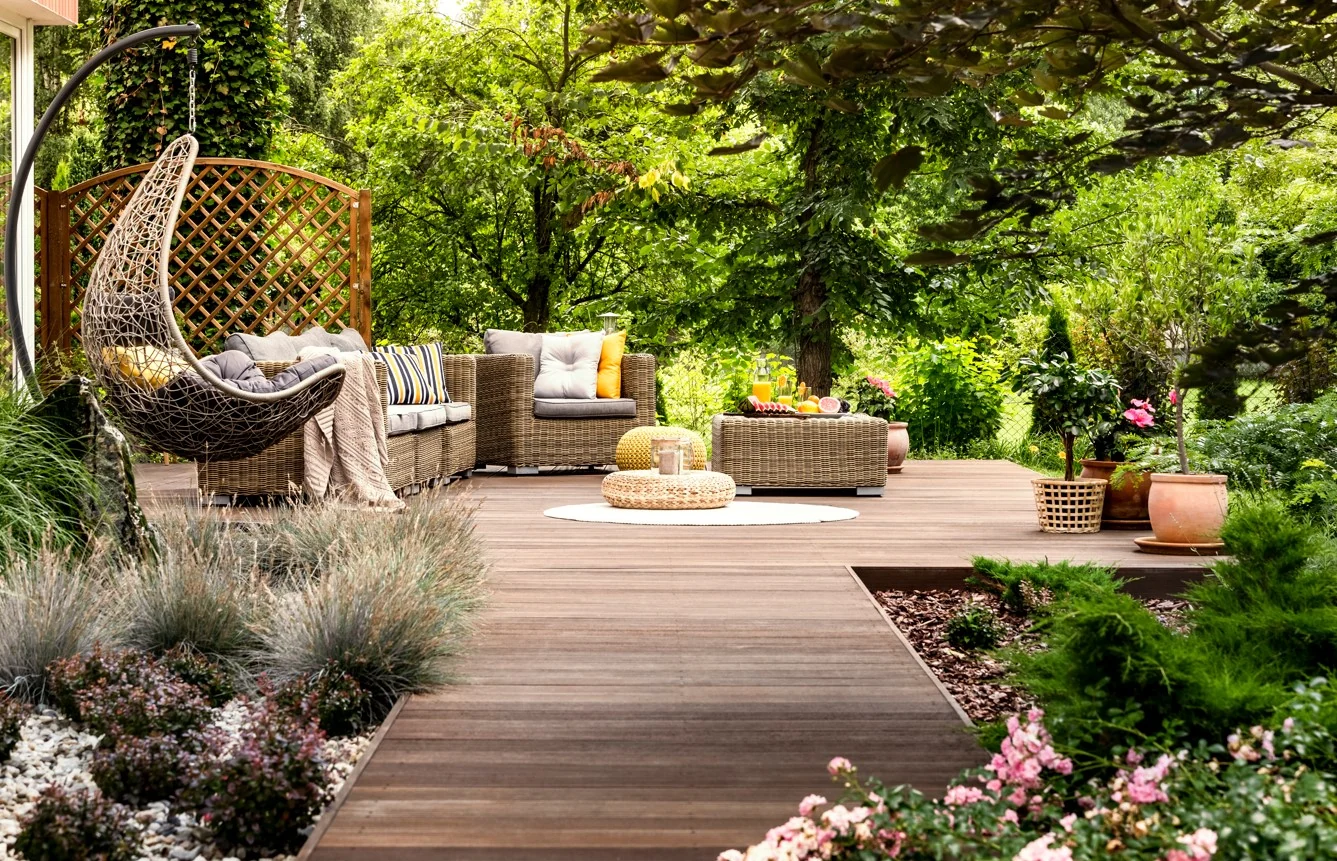
A well-designed patio can transform an ordinary outdoor area into a comfortable and attractive space for relaxing, entertaining guests, and enjoying everyday activities. It provides a practical surface for outdoor furniture, dining arrangements, decorative planters, and other features that make a garden more useful. Paver patio installation is a popular way to create an attractive outdoor surface because individual pavers are available in various colors, shapes, sizes, and textures. When selected carefully, these materials can complement the exterior of a home while providing durability and flexibility for different outdoor layouts. With proper planning, quality materials, and professional workmanship, homeowners can create a patio that combines visual appeal with long-term functionality.
Understanding the Benefits of a Paver Patio
A paver patio offers several advantages for homeowners who want to improve their outdoor living environment. Individual pavers create a structured surface that can support furniture, foot traffic, and regular outdoor activities when installed over a properly prepared base. Their availability in different patterns and finishes allows homeowners to create designs ranging from simple contemporary layouts to more traditional outdoor spaces. Pavers can also be arranged to define dining areas, seating zones, and pathways, helping the entire garden feel more organized. By choosing suitable materials and a layout that complements the property, homeowners can create an inviting area that serves both decorative and practical purposes. Another important advantage is the flexibility associated with individual paving units. If a section becomes damaged or requires access to underground utilities, certain pavers can often be removed and replaced without disturbing the entire patio. This can make some repairs more manageable than repairs to a continuous concrete surface, although the ease of replacement depends on the installation method and the surrounding conditions. Properly installed pavers can also withstand regular use and changing weather conditions when the selected materials are appropriate for the environment. Their combination of durability, design flexibility, and repair potential makes them a useful option for many outdoor improvement projects.
Planning the Patio Layout and Dimensions
Careful planning is essential before purchasing materials or beginning construction. Homeowners should determine how the patio will be used, whether for outdoor dining, entertaining friends, relaxing with family, or creating a comfortable seating area. These activities influence the dimensions, shape, and placement of the finished surface. A dining patio needs enough room for a table, chairs, and convenient movement, while a lounge area may require additional space for sofas, loungers, and side tables. Establishing the intended purpose helps prevent a patio from feeling cramped or occupying more garden space than necessary. The surrounding environment should also influence the layout. Existing doors, windows, pathways, garden beds, drainage features, and outdoor structures should be considered before finalizing the design. The patio should provide convenient access from the house while allowing people to move safely between different areas of the garden. Sunlight and shade are also important because they affect comfort during different parts of the day. A well-planned layout balances usable space with the surrounding landscape, creating a natural connection between the home and the outdoor environment while leaving enough room for planting and other garden features.
Choosing the Right Paving Materials
Selecting suitable materials is one of the most important decisions in a patio project. Concrete pavers are available in many colors, shapes, and textures, making them a versatile choice for a variety of design styles. Natural stone pavers can create a distinctive appearance through their individual patterns and surface variations, while brick pavers offer a traditional look that complements many architectural styles. Porcelain paving may provide a clean, contemporary finish when products designed for outdoor use are selected. Each material has different requirements for installation, maintenance, slip resistance, and durability, so homeowners should compare these factors before making a final decision. Color and texture should be chosen to complement the property’s exterior rather than treated as separate decorative decisions. Neutral shades can create a timeless appearance, while contrasting colors may help define borders or highlight particular sections of the patio. Textured surfaces can provide additional grip in areas exposed to rain or frequent moisture. Material thickness, strength, and suitability for the expected use should also be considered, especially when the patio will support heavy furniture or regular activity. Investing in appropriate paving materials can improve the appearance of the finished project and reduce the likelihood of premature damage.
Preparing the Ground for a Stable Foundation
Ground preparation is essential because the strength and stability of the patio depend heavily on the surface beneath the pavers. Before paver patio installation begins, the area should be cleared of grass, weeds, roots, loose soil, and construction debris. The ground must then be excavated to the appropriate depth to accommodate the base material, bedding layer, and pavers. The required excavation depth depends on the soil conditions, paver thickness, intended use, and local construction practices. A patio that will support only pedestrian traffic may require a different base arrangement from a surface designed to carry heavier loads. After excavation, the underlying soil should be evaluated for stability and drainage. Soft or poorly compacted ground may need additional preparation before the base can be installed. A suitable aggregate base is generally placed in layers and compacted carefully to create a stable foundation that distributes loads and reduces uneven settlement. Skipping this stage or using an inadequate base can lead to shifting pavers, depressions, and uneven joints over time. Thorough preparation may take additional effort, but it is one of the most effective ways to improve the durability and appearance of the completed patio.
Creating Proper Drainage and Surface Slope
Drainage should be planned before the paving materials are laid because standing water can affect the patio surface, surrounding soil, and nearby structures. The finished surface generally needs a suitable slope to direct water away from the house and prevent puddles from forming. The appropriate slope depends on the layout, surface materials, and drainage arrangements. Water should be directed toward an appropriate drainage area rather than allowed to collect near foundations, doorways, or neighboring properties. Considering these requirements early helps prevent water-related problems that may be difficult and expensive to correct after construction. Soil conditions and the amount of rainfall the patio receives can influence drainage performance. In some situations, additional drainage channels or other water-management features may be necessary to control runoff. The base material should be selected and installed in a way that supports the intended drainage strategy, while the finished pavers should remain stable under normal conditions. Homeowners should also consider nearby garden beds and lawns because uncontrolled runoff may cause erosion or saturate planting areas. Good drainage planning protects the patio’s structural stability and helps maintain a cleaner, more comfortable outdoor environment.
Installing Pavers for a Professional Finish
Once the base has been prepared and compacted, a suitable bedding layer can be installed to help position the pavers evenly. The bedding material should be distributed carefully and maintained at a consistent depth according to the chosen installation method. Pavers are then placed in the planned pattern, with attention to alignment, spacing, and the overall appearance of the surface. Common patterns include running bond, basket weave, and herringbone, each offering a different visual effect. The selected pattern should complement the patio’s dimensions and style while allowing the paving units to fit neatly within the prepared area. During paver patio installation, individual units should be positioned carefully to maintain consistent joints and prevent unnecessary movement. Edge restraints are often needed to help keep the paving field from spreading outward under regular use. Once the pavers are laid, the surface can be checked for alignment and adjusted where necessary. Jointing material is then applied according to the paving system and product instructions, followed by appropriate compaction when the selected materials permit it. Careful finishing helps create a uniform surface that looks attractive, supports normal outdoor activities, and remains stable when properly maintained.
Adding Borders and Decorative Patterns
Borders can give a patio a more finished appearance while helping distinguish the main paving area from the surrounding landscape. Contrasting pavers, soldier-course edges, or decorative bands can frame the surface and highlight its shape. A border may also help connect the patio visually with nearby walkways, retaining features, or garden beds. Homeowners should choose border materials that complement the main paving rather than introducing too many competing colors and patterns. A coordinated design creates a more balanced appearance and allows the patio to remain attractive as the surrounding garden changes. Decorative patterns can also improve the character of the outdoor space. Herringbone arrangements often create a distinctive appearance, while simpler running-bond patterns can suit contemporary and traditional settings alike. Mixing colors or using different paver sizes may create visual interest, but complex layouts can require additional cutting, planning, and labor. The pattern should therefore be selected according to the available budget, the patio’s dimensions, and the desired level of detail. Thoughtful use of borders and patterns allows homeowners to personalize the patio without sacrificing practical functionality.
Enhancing Comfort with Outdoor Furniture and Features
A patio becomes more useful when it includes furniture and features suited to the way the space will be used. Outdoor dining tables provide a place for meals, while comfortable chairs and sofas create a relaxing area for conversation. Shade structures, umbrellas, and pergolas can improve comfort during sunny weather, while outdoor storage helps keep cushions and accessories organized. Furniture should be selected according to the available space and made from materials suitable for outdoor exposure. Leaving enough room for walking and moving chairs prevents the patio from becoming crowded and improves the overall experience. Additional features can make the patio more inviting and functional. Outdoor lighting can improve visibility during evening gatherings, while planters introduce color and greenery around the paved surface. Fire features may provide a focal point and encourage people to use the patio during cooler weather, provided they are installed with suitable clearances and safety measures. Outdoor kitchens and grilling areas can also be useful for homeowners who frequently entertain guests. Each addition should be planned carefully to maintain safe movement, protect the paving materials, and keep the overall design cohesive.
Maintaining the Patio for Long-Term Performance
Regular maintenance helps preserve the appearance and functionality of a paved outdoor surface. Sweeping away leaves, dirt, and other debris prevents buildup between the joints and keeps the patio looking tidy. Periodic washing can remove surface grime, although cleaning methods should be appropriate for the paving material and jointing system. Harsh chemicals and excessive pressure may damage certain surfaces or remove jointing material, so manufacturer guidance should be followed. Inspecting the patio periodically also helps homeowners identify loose pavers, drainage problems, or small areas of settlement before they become more serious. Joint maintenance is particularly important because the material between paving units helps limit movement and discourages weed growth. Depending on the paving system, joints may require occasional replenishment or repair. Weeds should be removed carefully, and any cleaning or treatment products should be suitable for the materials and nearby plants. If a section becomes uneven, the underlying cause should be investigated rather than simply adjusting the visible paver. Repairs may involve lifting the affected units, correcting the bedding or base, and reinstalling the pavers. Addressing problems promptly can extend the life of the patio and maintain a safer walking surface.
Understanding Project Costs and Budget Planning
The total cost of a patio project depends on the size of the area, the selected materials, excavation requirements, base preparation, drainage arrangements, and labor expenses. Natural stone and specialized finishes may cost more than standard concrete pavers, while complicated patterns can increase cutting time and installation labor. Additional expenses may include removing existing surfaces, transporting materials, installing edging, improving drainage, and adding lighting or other outdoor features. Homeowners should obtain detailed estimates that explain the scope of work and identify which materials and services are included in the quoted price. A realistic budget should also account for long-term maintenance rather than focusing only on the initial construction expense. Durable materials and proper installation can reduce the need for frequent repairs, while poor preparation may lead to recurring settlement and uneven surfaces. Comparing written estimates from qualified contractors helps homeowners evaluate material quality, construction methods, warranties, and project timelines. It is also sensible to set aside a contingency allowance for unexpected ground conditions or additional work. Careful budgeting makes it easier to achieve the desired appearance while avoiding unnecessary financial pressure during construction.
When to Hire a Professional Contractor
Professional assistance can be valuable when a patio project involves extensive excavation, difficult soil conditions, complicated drainage, retaining structures, or a large paved area. Experienced contractors understand how to prepare a stable base, maintain the appropriate slope, position edge restraints, and install pavers according to the selected system. They may also identify problems that are not immediately visible, such as poor drainage or ground that is likely to settle. Hiring a qualified professional can reduce the risk of costly mistakes and help produce a more consistent finish, especially when the design includes detailed patterns or multiple outdoor features. Before selecting a contractor, homeowners should review previous projects, written estimates, material specifications, and installation methods. It is useful to clarify whether the price includes excavation, base materials, bedding, pavers, edging, jointing, cleanup, and any required drainage work. The expected timeline and responsibility for obtaining permits, where applicable, should also be discussed before construction begins. Clear communication helps ensure that the finished patio matches the agreed design, budget, and quality expectations. Choosing a contractor based on experience and workmanship rather than price alone can improve the long-term value of the project.
Conclusion
A beautiful and durable patio begins with thoughtful planning, suitable paving materials, and careful preparation of the ground beneath the surface. Paver patio installation provides a flexible way to create an attractive outdoor area that supports dining, relaxation, and social gatherings. By considering drainage, base stability, decorative patterns, and the surrounding landscape, homeowners can develop a patio that complements their property and remains practical for everyday use. Quality workmanship and appropriate materials also help reduce maintenance problems and preserve the appearance of the finished surface. Long-term performance depends on regular cleaning, timely joint repairs, and attention to drainage and surface stability. Homeowners should avoid rushing the preparation process or selecting materials without considering their intended use and maintenance requirements. A well-designed layout, comfortable furniture, and carefully chosen outdoor features can make the patio more welcoming while improving its functionality. With a realistic budget, reliable materials, and consistent care, a paved outdoor space can become a lasting feature that adds beauty, comfort, and enjoyment to the home.

