

Key Takeaways
- Match pump type and capacity to flow, head, and fluid requirements.
- Consider material compatibility and site conditions before installation.
- Improve efficiency through proper sizing, piping, and controls.
- Inspect pumps regularly and address warning signs early.
- Compare energy, maintenance, and repair costs when selecting equipment.
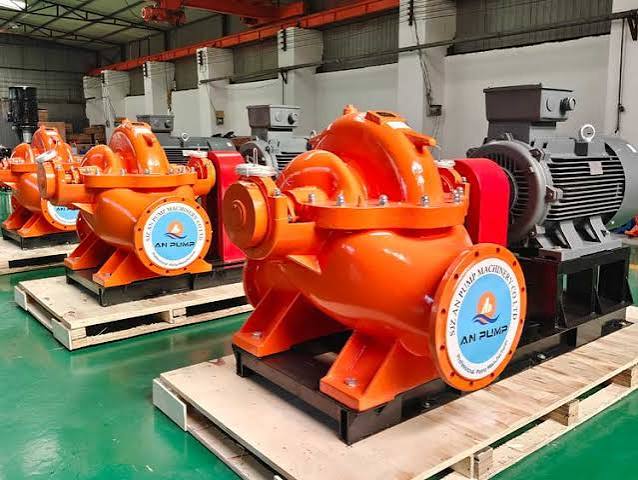
Industrial pumps support water transfer, chemical handling, cooling, drainage, wastewater operations, and many other essential processes. Selecting the right unit requires more than matching a motor size to a pipe. The pump, piping, fluid, controls, and maintenance plan must work together as one system.
Whether you are replacing an aging unit or planning a new installation, visit the website to explore pump solutions and start identifying equipment that fits the application, operating conditions, and service expectations. Reviewing flow requirements, energy use, and maintenance needs early can help support reliable operation over the pump’s service life.
Why Pump Selection Matters
A poorly matched pump can produce inadequate flow, consume unnecessary power, vibrate excessively, and place added stress on seals, bearings, and piping. The purchase price is only one part of the decision. Energy use, repairs, spare parts, production interruptions, and replacement labor can all affect the total cost of ownership over the pump’s service life.
Evaluate the complete system before choosing equipment. The U.S. Department of Energy provides pump-system resources that emphasize matching pumps to system requirements, evaluating efficiency, and effectively maintaining pumping equipment.
Key Pump Types And Their Uses
Different pump designs solve different operating problems. A practical comparison starts with the fluid, required flow, pressure, and installation environment.
- Centrifugal pumps: Often used for water transfer, circulation, cooling, and general process service. They are well suited to many relatively low-viscosity liquids.
- Positive displacement pumps: Move a fixed volume per cycle or rotation. They are commonly considered for viscous fluids, controlled flow, or higher-pressure duties.
- Submersible pumps: Operate below the fluid level and are widely used for drainage, wells, sumps, and wastewater applications.
- Dosing pumps: Deliver chemicals at controlled rates for treatment, pH adjustment, disinfection, and process applications.
- Booster pumps: Increase pressure in building services, distribution networks, and process systems.
How Flow And Head Shape The Choice
Flow rate is the volume of liquid moved per unit time. Head describes the energy the pump must add to move that liquid through elevation changes, pipe friction, valves, fittings, and connected equipment. Pipe size and motor horsepower alone do not define a suitable pump.
Before requesting a quote, document the required normal and peak flow, total dynamic head, pipe lengths and diameters, elevation changes, valve and fitting losses, and expected operating schedule. This information helps suppliers identify an appropriate pump curve and operating point.
Account For Fluid And Site Conditions
The liquid and installation environment influence materials, seals, motor protection, and pump configuration. Record the fluid temperature, viscosity, corrosive or abrasive content, suspended solids, and any sanitary requirements. Also consider outdoor exposure, available space, electrical supply, noise limits, service access, and whether the pump may run dry or intermittently.
Material compatibility matters because wetted components such as casings, impellers, shafts, and seals can wear or degrade when they are not suited to the fluid. A durable installation considers both normal conditions and foreseeable changes in chemistry, temperature, or solids content.
Build Energy Efficiency Into The Design
An oversized pump may force operators to throttle valves or bypass flow, which can waste energy and push the equipment away from its preferred operating range. Proper pipe sizing, lower friction losses, an appropriate impeller, and a correctly sized motor can improve the overall system.
Variable-speed drives can be useful where demand varies throughout the day, as pump output can be adjusted rather than controlled solely by throttling. For water and wastewater facilities, the EPA’s energy-efficiency guidance for water utilities highlights the value of understanding baseline energy use and prioritizing energy-intensive processes such as pumping.
Even modest efficiency improvements can matter when a pump runs for many hours. For example, reducing a continuously operating pump’s electrical demand by 1 kilowatt reduces its annual electricity use by 8,760 kilowatt-hours.
Create A Practical Maintenance Plan
Daily Or Weekly Checks
- Listen for unusual noise and look for leaks at seals, flanges, and connections.
- Review pressure, flow, temperature, and motor behavior for sudden changes.
- Confirm that suction and discharge valves are in their intended positions.
Monthly Checks
- Inspect mounting bolts, alignment, lubrication points, strainers, filters, sensors, and valves.
- Review vibration trends where monitoring is available.
Annual Or Planned Shutdown Checks
- Compare actual performance with original operating data.
- Inspect bearings, couplings, impellers, wear components, seals, electrical connections, and motor insulation.
- Update maintenance records and confirm the availability of critical spare parts.
Spot Common Pump Problems Early
- Low flow: Check for clogged strainers, restricted valves, air entry, incorrect rotation, or changed system conditions.
- High vibration: Investigate alignment, bearings, foundation condition, pipe strain, and possible cavitation.
- Seal leakage: Review seal wear, shaft condition, installation practices, and operating temperature or pressure.
- Overheating: Check lubrication, motor loading, ventilation, and operation outside the recommended range.
- Cavitation: Insufficient suction conditions can cause noise, vibration, unstable performance, and damage to internal surfaces.
Use Controls And Monitoring Wisely
Pressure, flow, temperature, motor current, and vibration readings can reveal developing problems before a complete failure occurs. Basic alarms warn when a limit is exceeded, while condition-based monitoring focuses on changes and trends. Establish normal operating ranges for critical pumps, but continue physical inspections because remote data does not show every leak, loose connection, or access problem.
Pump Procurement Checklist
- Confirm flow, head, temperature, fluid characteristics, and operating schedule.
- Review the pump curve and expected operating point.
- Verify wetted materials, seal arrangement, motor voltage, controls, and efficiency.
- Check dimensions, lifting needs, foundation requirements, and service access.
- Ask about parts availability, warranty terms, testing records, manuals, and repair support.
- Compare lifecycle cost, not only the initial purchase price.
Conclusion
Reliable pumping begins with accurate system information, suitable equipment, efficient controls, and routine maintenance. Document performance, investigate warning signs promptly, and reassess pump requirements when production, building use, or water demand changes.

