

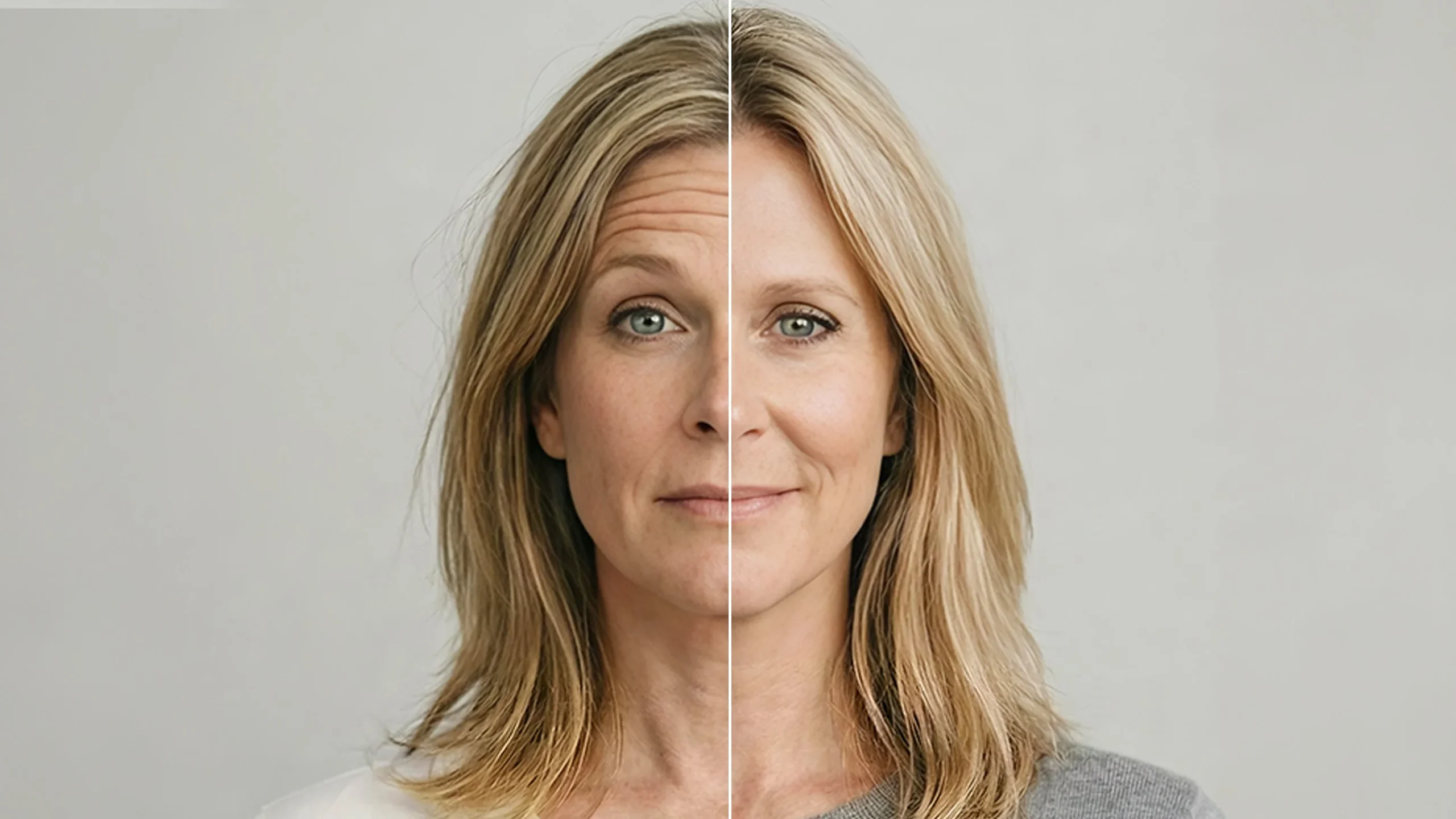
Botox has become one of the most widely recognized nonsurgical cosmetic treatments for individuals looking to soften facial wrinkles, maintain a refreshed appearance, and address certain signs of aging. For people considering botox treatment in Cincinnati, understanding the complete process can make the experience more comfortable and help establish realistic expectations.
Although Botox injections are relatively quick, successful treatment involves considerably more than the injections themselves. A thoughtful consultation, facial assessment, personalized treatment plan, careful administration, and appropriate follow-up all contribute to a safe and satisfying experience.
Whether someone is considering Botox for the first time or exploring a new treatment provider, knowing what happens before, during, and after an appointment is an important part of making an informed decision.
What Is Botox and How Does It Work?
Botox is an FDA-approved prescription injectable medication containing onabotulinumtoxinA, a purified form of botulinum toxin type A. In cosmetic medicine, it is used to temporarily reduce muscle activity responsible for certain facial expression lines.
When people smile, squint, concentrate, or raise their eyebrows, underlying facial muscles contract and cause the skin to fold. Over time, repeated movement can contribute to the development of visible lines and wrinkles.
Botox works by temporarily blocking the nerve signals that cause targeted muscles to contract. As those muscles relax, the overlying skin can appear smoother.
Common cosmetic treatment areas include:
- Forehead lines: Horizontal wrinkles associated with raising the eyebrows.
- Frown lines: Vertical lines between the eyebrows, sometimes called the “11s.”
- Crow’s feet: Fine lines around the outer corners of the eyes.
Experienced medical professionals may also evaluate other facial areas, although some cosmetic applications are considered off-label and require additional discussion.
Botox does not add facial volume, improve every type of wrinkle, or permanently stop the aging process. Its primary cosmetic benefit comes from temporarily reducing movement-related wrinkles while preserving natural facial expression when treatment is appropriately planned.
Step 1: Scheduling an Initial Botox Consultation in Cincinnati
The first stage of Botox treatment typically begins with a consultation at a qualified medical practice.
While some established patients may receive treatment during a routine appointment, first-time patients benefit from a comprehensive evaluation before proceeding.
During the consultation, the provider will generally ask about the patient’s aesthetic goals, medical history, previous cosmetic treatments, and any concerns about the procedure.
For example, someone may be interested in reducing forehead wrinkles while maintaining the ability to express surprise or emotion naturally. Another patient may want to address pronounced frown lines that create a tired or tense appearance.
These differences matter because Botox treatment should be individualized rather than based on a standard number of injections for every patient.
Reviewing Medical History and Treatment Eligibility
A responsible Botox provider will review relevant medical information before recommending injections.
This may include current medications, allergies, previous reactions to botulinum toxin products, neuromuscular disorders, prior facial procedures, and any history of swallowing or breathing difficulties.
Patients should also disclose pregnancy or breastfeeding. Cosmetic Botox is generally deferred during these periods because adequate safety data are lacking.
Certain medical conditions and medications may increase the risk of complications. Patients with an infection at a proposed injection site or a known allergy to Botox ingredients should not receive treatment.
The consultation is also an opportunity to determine whether Botox is appropriate or whether another treatment would better address the patient’s concerns.
Discussing Desired Results
One of the most important parts of the consultation is establishing what the patient hopes to achieve.
Some individuals want noticeable softening of expression lines, while others prefer subtle changes that are difficult for anyone else to identify.
A skilled provider should explain what Botox can realistically accomplish, which wrinkles are likely to improve, and which concerns may require different approaches.
The objective is not necessarily to eliminate every visible line. For many patients, the preferred outcome is a smoother, more rested appearance that continues to look natural.
Step 2: Facial Assessment and Personalized Treatment Planning
After reviewing medical history and aesthetic goals, the provider typically performs a facial assessment.
This examination helps determine which muscles contribute to the patient’s wrinkles and how treatment might affect overall facial balance.
The provider may ask the patient to raise their eyebrows, frown, smile, or squint. These movements reveal patterns of muscle activity that are not always visible when the face is relaxed.
Understanding Facial Anatomy
Facial anatomy varies considerably between individuals.
Muscle strength, eyebrow position, skin elasticity, facial symmetry, and previous cosmetic procedures can all influence treatment planning.
For example, treating the forehead without considering the muscles responsible for eyebrow positioning may increase the risk of unwanted eyebrow heaviness or eyelid drooping.
This is why proper anatomical knowledge is essential.
Providers must understand not only where to inject Botox but also how relaxing one muscle group may influence nearby structures.
Determining the Appropriate Dosage
Botox dosage is measured in units rather than milliliters.
The appropriate number of units depends on the treatment area, the product being used, muscle activity, treatment objectives, and the provider’s clinical assessment.
Higher doses are not automatically better, and lower doses do not necessarily produce more natural-looking results.
The goal is to use an appropriate amount of medication to achieve the desired reduction in muscle activity while minimizing unnecessary treatment.
Patients should also understand that Botox units are not interchangeable with units of other botulinum toxin products, such as Dysport or Xeomin.
Step 3: Preparing for the Botox Appointment
Once a treatment plan has been established, patients receive instructions for preparing for their injections.
Preparation is generally straightforward, and most individuals do not need extensive lifestyle changes before an appointment.
However, certain precautions may help reduce avoidable complications.
What to Do Before Treatment
Patients should arrive with a clear understanding of their treatment goals and provide an accurate list of medications and supplements.
Some medications and supplements can increase the likelihood of bruising. However, patients should never discontinue prescribed medications, including blood thinners, without consulting the clinician who prescribed them.
Alcohol consumption may also contribute to bruising in some individuals, so a provider may recommend avoiding it shortly before treatment.
The skin should be free from active infection or significant irritation in the planned injection areas.
Patients should also disclose any recent botulinum toxin treatments, even if those injections were performed at another practice.
Does Botox Require Anesthesia?
Most cosmetic Botox treatments do not require anesthesia.
The injections are administered using a very fine needle, and patients often describe the sensation as a brief pinch.
Some providers may offer topical numbing cream or cooling techniques for patients who are particularly sensitive to injections.
Discomfort is usually mild and short-lived, although individual experiences vary.
Step 4: What Happens During the Botox Injection Procedure?
The injection procedure itself is typically one of the shortest parts of the Botox treatment process.
Depending on the number of treatment areas, injections often take approximately 10–20 minutes, although consultation and preparation can make the total appointment longer.
Before administering Botox, the provider cleans the treatment areas and may identify specific injection points based on the patient’s facial anatomy.
Using a fine needle, the provider then administers small amounts of medication into the selected muscles.
Patients may feel several brief pinches, but the injections are generally well tolerated.
How Many Injections Are Needed?
The number of injections varies depending on the treatment area and individualized plan.
For example, treating frown lines between the eyebrows generally involves several injection points, while addressing crow’s feet requires injections near the outer corners of the eyes.
The provider should explain the planned injection sites and dosage before beginning.
Patients should never assume that receiving more injections automatically produces a better cosmetic result.
What Happens Immediately After the Injections?
Once the injections are complete, the provider examines the treated areas and gives the patient post-treatment instructions.
Small raised bumps or temporary redness may appear at injection sites. These typically resolve relatively quickly.
Some individuals also experience mild tenderness, swelling, or bruising.
Unlike surgical cosmetic procedures, Botox generally does not require an extended recovery period.
Most patients can leave the office shortly after treatment and return to many of their normal daily activities.
Step 5: Botox Recovery and the First 24–48 Hours
Although Botox is considered a minimally invasive cosmetic treatment, following appropriate aftercare instructions remains important.
Patients should avoid rubbing or aggressively massaging treated areas immediately after their injections unless specifically instructed otherwise.
Providers may also recommend temporarily postponing strenuous exercise, certain facial treatments, or activities that place significant pressure on the injection sites.
Recommendations can vary based on the patient’s treatment plan, and some commonly repeated Botox restrictions have limited supporting evidence. Patients should follow the individualized guidance provided by their treating clinician.
What Side Effects Are Normal After Botox?
Mild redness, swelling, bruising, or tenderness at the injection sites can occur.
A temporary headache is another possible side effect.
Less common complications include eyebrow or eyelid drooping, facial asymmetry, and unwanted weakness in nearby muscles. The FDA-approved prescribing information identifies additional potential adverse reactions, including serious complications related to the spread of botulinum toxin effects.
Access Data
+1
Patients should contact their provider about concerning symptoms. Difficulty breathing, swallowing, or speaking, or symptoms of a severe allergic reaction, require immediate medical attention.
Step 6: When Will Botox Results Become Visible?
One of the most common questions among first-time Botox patients is how quickly they will notice a difference.
Unlike dermal fillers, which can produce an immediate change in facial volume, Botox works gradually as the targeted muscles begin responding to treatment.
Some patients notice initial changes within approximately three to five days, although the timing varies.
More noticeable improvements often develop during the first one to two weeks. Full assessment may require up to 30 days, depending on the treatment area and individual response.
What Should Botox Results Look Like?
Appropriately administered Botox should reduce unwanted muscle activity without necessarily eliminating natural facial expressions.
Patients may notice that their forehead appears smoother, frown lines are less pronounced, or wrinkles around the eyes become less visible when smiling.
Deep lines that remain visible when the face is at rest may not disappear completely.
This distinction is important because Botox primarily treats dynamic wrinkles caused by muscle movement. Static wrinkles related to skin changes, volume loss, and other factors may require additional treatment approaches.
Step 7: Follow-Up Appointments and Evaluating Results
Many Cincinnati Botox providers offer follow-up evaluations, particularly for patients receiving their first treatment.
A follow-up may take place approximately two weeks after the initial appointment, although the timing varies.
During this visit, the provider may assess facial symmetry, muscle movement, patient satisfaction, and whether the treatment is progressing as expected.
A follow-up does not automatically mean that additional injections are necessary.
In fact, responsible treatment planning often involves allowing the medication sufficient time to reach its intended effect before considering adjustments.
Additional injections should only be administered when clinically appropriate and consistent with product guidance.
Step 8: How Long Does Botox Last, and When Is Maintenance Needed?
Botox is temporary, and its effects gradually diminish as nerve signaling to the treated muscles recovers.
For many cosmetic patients, results last approximately three to four months, although duration varies according to the treatment area, dose, muscle activity, and individual response.
As muscle movement returns, expression lines may gradually become more noticeable again.
Patients who want to maintain their results may choose periodic treatments, but the frequency should be determined with their provider rather than following a rigid schedule.
The safety and effectiveness of administering Botox Cosmetic more frequently than every three months have not been clinically evaluated in the product labeling.
DailyMed
A long-term treatment plan should account for changing facial anatomy, patient preferences, and the continued appropriateness of Botox.
How to Choose a Qualified Botox Provider in Cincinnati
Choosing the right provider is one of the most important decisions in the Botox treatment process.
Although Botox injections are widely available, they remain medical procedures requiring clinical judgment, appropriate training, and an understanding of facial anatomy.
Patients researching Botox treatment in Cincinnati should look beyond promotional pricing and consider the provider’s qualifications, treatment philosophy, and commitment to patient safety.
An established medical practice should be transparent about who performs injections, what credentials they hold, and how potential complications are managed.
Prospective patients may benefit from asking several questions during their consultation:
- Who will administer the injections, and what training and licensure do they have?
- How will the treatment plan be customized to my facial anatomy?
- What are the potential risks and expected results?
- What happens if I experience an unwanted side effect?
- How are follow-up appointments and future treatments handled?
Patients should also confirm that the practice uses authentic, appropriately sourced FDA-approved products.
A provider who takes time to explain treatment limitations and recommends against unnecessary injections may offer greater long-term value than one focused primarily on selling additional units.
Understanding Botox Costs in Cincinnati
The cost of Botox treatment varies depending on the provider, treatment areas, and number of units required.
Some practices charge by the unit, while others offer pricing based on specific facial areas.
Patients should request a clear explanation of the proposed dosage, total cost, and what is included in the appointment.
It is also worth asking whether consultation fees, follow-up visits, or potential adjustments are included.
While affordability is an understandable consideration, the lowest advertised price should not be the primary factor in selecting a medical injector.
The quality of the assessment, provider qualifications, and individualized treatment plan are important considerations that extend beyond the initial cost.
Frequently Asked Questions About Botox Treatment in Cincinnati
How long does a Botox appointment take?
The injections themselves generally take about 10–20 minutes. A first-time appointment may take longer because it includes medical history review, facial assessment, treatment planning, and informed consent.
Is Botox painful?
Most patients experience mild, brief discomfort during Botox injections. The fine needles used for treatment typically produce a quick pinching sensation. Numbing cream or cooling techniques may be available for patients concerned about discomfort.
Can I return to work immediately after Botox?
Most people can return to work and many normal activities shortly after treatment. Temporary redness, swelling, or bruising may occur, so patients should consider their schedules when booking an appointment.
How soon before a special event should I schedule Botox?
Scheduling treatment approximately three to four weeks before an important event is often reasonable, particularly for first-time patients. This allows time for results to develop and for temporary side effects to resolve, although outcomes cannot be guaranteed.
Will Botox make my face look frozen?
Botox does not have to produce an expressionless appearance. Appropriate dosing and careful placement can soften wrinkles while preserving natural facial movement. However, excessive muscle relaxation or poorly planned injections can produce unwanted changes in expression.
What is the best age to start Botox?
There is no universally ideal age to begin cosmetic Botox. Treatment decisions should depend on individual facial anatomy, the presence of expression lines, personal goals, and medical suitability rather than age alone. Botox Cosmetic is approved for certain aesthetic indications in adults.
Can Botox be combined with other cosmetic treatments?
Yes. Botox may be incorporated into a broader aesthetic treatment plan that includes dermal fillers, laser treatments, or skin rejuvenation procedures. The combination and timing should be determined by a qualified medical provider based on the patient’s needs and safety considerations.
What happens if I decide to stop getting Botox?
If a patient discontinues Botox, the medication’s effects gradually wear off and normal muscle activity returns. Expression lines may become more visible again as facial movement resumes. Stopping Botox does not inherently cause wrinkles to become worse than they otherwise would have been.
Final Thoughts: Understanding the Complete Botox Experience
Botox treatment in Cincinnati is more than a brief cosmetic appointment. From the initial consultation through injection, recovery, follow-up, and long-term maintenance, each stage contributes to the overall treatment experience.
For individuals considering Botox, the most important first step is finding a qualified medical provider who prioritizes facial anatomy, realistic expectations, and individualized care.
A well-planned treatment should support the patient’s aesthetic goals without compromising the natural characteristics that make their appearance unique.
Scheduling a professional consultation provides an opportunity to discuss concerns, understand available options, and determine whether Botox is an appropriate choice.
With the right medical guidance, patients can approach Botox treatment with greater confidence, realistic expectations, and a clearer understanding of what the process involves.

