

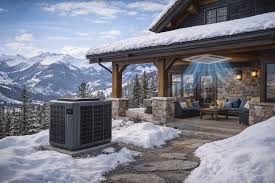
Denver’s climate is a study in contrasts: big daytime swings, crisp nights even in July, powder-dry winter air, and bursts of late-summer humidity when storms roll through. Those conditions push heating and cooling systems in ways different from coastal or low-elevation cities. If you are planning a replacement or major upgrade, use the local constraints to your advantage. The right plan in the Mile High City accounts for elevation, indoor humidity control, duct performance, and how sun and wind hit your home. Here is a practical framework to make better choices before you sign off on new equipment.
-
Altitude Changes How Systems Perform
At 5,280 feet, air density and oxygen levels are lower, which affects combustion, airflow, and heat transfer. Gas furnaces often need manufacturer-approved altitude adjustments, like orifice changes or gas valve tuning, to burn cleanly. Air handlers may need fan-speed settings verified with static-pressure measurements to move the target cubic feet per minute across the coil. A Denver HVAC contractor fluent in elevation setup can also check flue draft on Category I appliances, ensure condensate traps are set correctly on condensing furnaces, and verify the refrigerant charge is dialed for thinner air. Skipping these details can lead to soot, nuisance lockouts, iced coils, or rooms that never quite reach setpoint.
Capacity planning also shifts with altitude. Some combustion appliances are derated at higher elevations, and air source heat pumps lose output as outdoor temperatures drop. In practice, that means a load calculation should establish a realistic heating balance point and whether supplemental heat is required. A common misstep is replacing an older 80,000 BTU nameplate furnace one for one without accounting for elevation, envelope upgrades, or actual load. The result can be short cycling, elevated stack temperatures, and uneven rooms. The opposite mistake, undersizing, can lead to long runtimes and cool supply air that never catches up during a cold snap.
-
Dry Air Winters: Humidification and Filtration That Work
Denver’s indoor relative humidity in winter often falls well below comfort targets, which can dry out hardwood, widen trim gaps, and make rooms feel cooler. Whole-house humidifiers come in three main types: bypass, fan-powered, and steam. Bypass and fan-powered units are cost-effective but depend on furnace runtime and water temperature to deliver moisture. Steam units offer precise control and can operate independently of a heat call, but they use more electricity and require careful installation. Mineral content can scale pads, canisters, and orifices, so plan for seasonal pad changes, reservoir cleaning, and clear drain lines. On the filtration side, wildfire smoke and spring pollen make a strong case for MERV 11 to 13 media, but higher MERV ratings increase static pressure. The fix is not just a “better” filter; it is a correctly sized return, a media cabinet with more surface area, and an ECM blower set to maintain airflow without excessive noise.
-
Cooling Strategy: AC, Heat Pump, or Evaporative Cooler?
Denver’s dry climate offers three viable summer options. Traditional central air with a variable-speed compressor handles hot afternoons and quietly ramps down at night, reducing short cycling and improving coil performance. Heat pumps add efficient shoulder-season heating and can cover a surprising portion of winter hours before auxiliary heat kicks in. Still, they need careful outdoor unit placement for defrost and clear condensate drainage. Evaporative coolers, still common in older homes, thrive in low humidity by using water to cool incoming air. They run cheaply and add welcome moisture, but they are less effective during late-day thunderstorms, require open windows to exhaust air, and need pad changes, pump checks, and winterization to prevent leaks. If allergy days or smoke events keep windows shut, a sealed, refrigerant-based system with good filtration is the safer bet.
-
Ductwork, Returns, and Zoning in Denver Floor Plans
Comfort problems in Denver often trace back to duct design rather than the box in the basement. Tri-levels and older bungalows can stratify, with hot upper floors and chilly basements due to the stack effect and undersized returns. A Manual D review can identify high static bottlenecks, missing bedroom returns, and supply runs that are too long or uninsulated in crawlspaces. Balanced airflow matters: closing too many registers to “push air upstairs” can spike static pressure, causing noisy vents, coil freeze-ups in summer, or furnace limit trips in winter. For additions, attic conversions, or sunrooms, a ductless mini-split can handle a localized load without overhauling the entire trunk. When the main level and upstairs fight each other all year, zoning with modulating dampers and a variable-speed blower can stabilize temperatures, as long as bypasses and airflow safeguards are engineered correctly.
Load Calculation, Sun Exposure, and Sizing for Mile High Homes
Denver’s high sun angle and clear skies drive significant afternoon gains, especially on west-facing glazing. A proper Manual J load calculation should account for altitude, window SHGC and area, insulation levels, infiltration, and real occupancy. While Denver’s dryness reduces latent cooling load, an oversized air conditioner still short-cycles, wastes energy, and can leave rooms swinging as clouds come and go. Variable-speed compressors and multi-stage furnaces match the city’s diurnal temperature swings better than single-stage units. Manual S then matches equipment to the calculated load, and Manual D ensures ducts can deliver it at a reasonable static pressure. Before quotes, gather basics like square footage by level, window types, attic and crawlspace access, and a year of utility bills. Ask for the load report, discuss thermostat staging or adaptive recovery, and schedule installation outside peak heat or deepest cold when possible to avoid rushed commissioning.
The Mile High City rewards HVAC plans that respect elevation, dryness, and strong sun. Prioritize altitude-based combustion and airflow setup, choose humidification and filtration your ducts can support, select a cooling approach that fits your lifestyle, and insist on a real load calculation with duct verification. Do those four things and your system has a far better chance of running quietly, evenly, and efficiently through snowy mornings, bright spring days, and summer nights with the windows cracked.

