

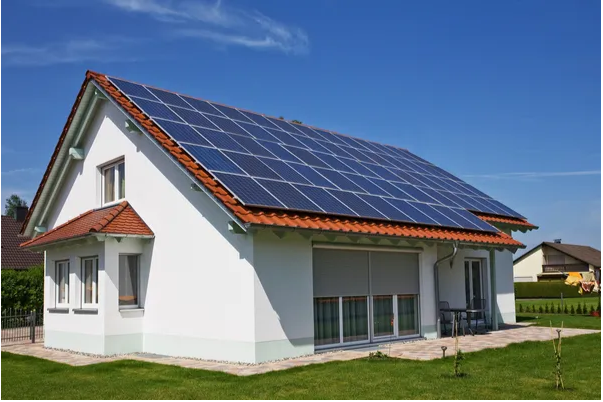
Solar panels have become an increasingly popular choice for Australian homeowners looking to reduce electricity costs and embrace more sustainable energy solutions. With abundant sunshine across much of the country, solar power offers an effective way to generate electricity at home while reducing reliance on traditional energy sources. As electricity prices and environmental concerns continue to influence household decisions, investing in a residential solar system can be a practical long-term consideration.
Understanding how solar panels work, what they cost and how to choose the right system can help homeowners make informed decisions. For those exploring renewable energy options, Central Coast Energy offers solar solutions to help households explore the benefits of residential solar power and make informed decisions about their energy needs. From evaluating roof suitability to comparing equipment and understanding potential savings, a well-planned installation can improve household energy efficiency and support more responsible energy consumption.
How Do Solar Panels Work?
Solar panels generate electricity through the photovoltaic effect. Each panel contains photovoltaic cells, typically made from silicon, which absorb sunlight and convert it into direct current (DC) electricity. An inverter then converts this electricity into alternating current (AC), which is used by household appliances, lighting and electronic devices.
A standard rooftop solar system consists of solar panels, an inverter, mounting equipment and electrical connections. When the panels generate electricity, the household can use it immediately. If production exceeds demand, surplus electricity may be exported to the electricity grid, depending on the system configuration and applicable electricity plan.
Solar generation varies throughout the day and across different seasons. Bright, sunny conditions generally support higher output, although panels can still generate electricity during cloudy weather. System performance also depends on temperature, shading, roof orientation and equipment quality.
Benefits of Solar Panels for Australian Homes
Reduced Electricity Bills
One of the main advantages of residential solar panels is the potential to lower electricity bills. Generating electricity at home reduces the amount that needs to be purchased from the grid, particularly during daylight hours when solar production is strongest.
The savings depend on household consumption, system size, electricity tariffs and the amount of solar energy used directly. Running appliances such as washing machines and dishwashers during periods of strong solar generation can increase self-consumption and improve the financial value of the system.
Renewable and Cleaner Energy
Solar energy is renewable because it comes from sunlight, which is naturally replenished. Solar panels generate electricity without directly releasing greenhouse gases during operation, helping households reduce their reliance on more emissions-intensive electricity sources.
Although manufacturing, transporting and disposing of solar equipment involve environmental impacts, a properly maintained system can generate electricity over many years. This makes residential solar a useful option for households seeking to reduce their operational carbon footprint.
Greater Energy Independence
Producing electricity at home gives homeowners greater control over how they use energy. Solar panels can reduce exposure to grid electricity prices, while a compatible battery can store excess daytime generation for use in the evening.
However, standard grid-connected solar systems generally shut down during a power outage for safety reasons. Homeowners who want backup electricity during outages need suitable equipment and a system specifically designed to provide that capability.
Choosing the Right Solar Panels
Selecting suitable solar panels involves comparing efficiency, durability, warranties and overall value. Monocrystalline panels are widely used in Australian homes because they generally provide high efficiency and produce substantial electricity from a relatively small roof area.
Polycrystalline panels were once a common alternative, although they generally offer lower efficiency than comparable monocrystalline products. Thin-film panels use photovoltaic materials applied in thin layers and may suit specialised installations where weight or flexibility is important.
For most homeowners, efficiency and reliability should be considered alongside the purchase price. A panel with a lower upfront cost may not provide the best long-term value if its performance, warranty coverage or durability is less suitable for the property.
It is also important to compare the manufacturer’s product warranty with the performance warranty. These cover different aspects of the equipment, and their conditions should be reviewed before making a decision.
Determining the Best Solar System Size
The appropriate solar system size depends on electricity consumption, roof space, budget and future household needs. Smaller systems may suit properties with modest energy requirements, while larger systems may be appropriate for households with high daytime consumption or plans to electrify more appliances.
Reviewing recent electricity bills can help identify average usage and peak demand periods. Homeowners should also consider whether they intend to install an electric vehicle charger, heat pump or other energy-intensive equipment in the future.
A larger solar array is not automatically the best choice. If a household exports most of its surplus electricity at a relatively low feed-in tariff, the additional generation may provide less financial value than expected. A properly designed system should balance generation capacity with the property’s likely energy demand.
Understanding Roof Suitability and Installation
Roof conditions play an important role in solar panel performance. In Australia, north-facing panels can provide strong overall generation, while east-facing and west-facing arrays may better match households that use more electricity in the morning or afternoon.
Roof pitch, available space and shading should also be assessed. Trees, neighbouring buildings, chimneys and other obstructions can reduce output, sometimes affecting only part of an array. A professional site assessment can help identify these issues and recommend an appropriate panel layout.
The roof must also be structurally suitable for the additional equipment. Installers should assess roof materials, mounting requirements, weather exposure and electrical connections before beginning work.
Using appropriately qualified and accredited professionals helps ensure that the installation meets applicable Australian standards and regulatory requirements. Homeowners should request a detailed quotation outlining the system components, installation scope, warranties and estimated electricity generation.
Solar Batteries and Energy Storage
A solar battery stores surplus electricity generated during the day for later use. Instead of exporting all excess electricity to the grid, a household can store some of it and use it after sunset, potentially reducing evening electricity purchases.
Battery storage may be particularly useful for households with substantial evening energy demand, lower feed-in tariffs or a desire for greater energy independence. Some systems can also provide backup power during outages when designed and configured with suitable backup functionality.
However, batteries increase the upfront cost of a solar installation. Their financial value depends on battery capacity, usable storage, electricity tariffs, household consumption, expected lifespan and installation costs. Homeowners should compare the potential savings with the total investment rather than assuming that a battery will automatically improve returns.
Solar Panel Costs and Potential Savings
The cost of installing solar panels varies according to system capacity, panel and inverter quality, roof complexity, electrical requirements and installation conditions. Adding a battery, upgrading a switchboard or carrying out additional electrical work can increase the overall price.
Government incentives and rebates may reduce eligible installation costs, but programmes, eligibility rules and funding arrangements can change. Australian homeowners should check current federal and state government information before including incentives in their budget.
To estimate potential savings, consider the upfront cost, expected electricity generation, the proportion of solar energy used at home, feed-in tariff rates and ongoing maintenance expenses. Future inverter or battery replacement costs may also affect the system’s long-term financial performance.
Comparing several detailed quotations can help homeowners understand differences in equipment quality, installation standards and expected output. The cheapest quotation is not necessarily the most economical choice over the system’s operating life.
Solar Panel Maintenance and Performance
Solar panels generally require limited maintenance because they contain no moving parts. However, dust, pollen, leaves and bird droppings can accumulate on their surfaces and reduce electricity generation under certain conditions.
Homeowners should monitor system performance through the inverter display or monitoring application, where available. An unexpected or persistent decline in output may indicate shading, equipment faults, damaged wiring or other problems requiring professional assessment.
Cleaning should follow the manufacturer’s recommendations and take local conditions into account. Rain may remove some surface dirt, but it does not guarantee that panels will remain clean. Roof access can be dangerous, so homeowners should avoid climbing onto roofs or attempting electrical repairs without appropriate training and safety equipment.
Regular professional inspections may help identify developing issues, while maintaining installation records and warranty documents can make future repairs easier to manage.
Common Solar Panel Mistakes to Avoid
Choosing a system based solely on its upfront price can lead to disappointing results. Homeowners should compare equipment specifications, installer qualifications, warranty conditions and expected generation before committing to an installation.
Another common mistake is overlooking household energy habits. A system may generate substantial electricity but deliver smaller savings if most energy is produced when nobody is home and exported at a low rate. Adjusting appliance use or evaluating battery storage can improve self-consumption.
It is also important to avoid unrealistic savings promises. Solar performance depends on weather, shading, equipment condition and electricity tariffs. Requesting a clear explanation of the assumptions behind any savings estimate can help set reasonable expectations.
Conclusion
Solar panels allow Australian homeowners to generate renewable electricity, potentially reduce energy bills, and become less dependent on the electricity grid. Choosing the right system requires careful consideration of roof suitability, household consumption, panel efficiency, installation quality and long-term costs.
By comparing reputable installation options, understanding available incentives and monitoring system performance, homeowners can make informed decisions about residential solar power. Whether installing a basic rooftop array or considering a system with battery storage, a well-planned approach can support better energy management and a more sustainable home.

