

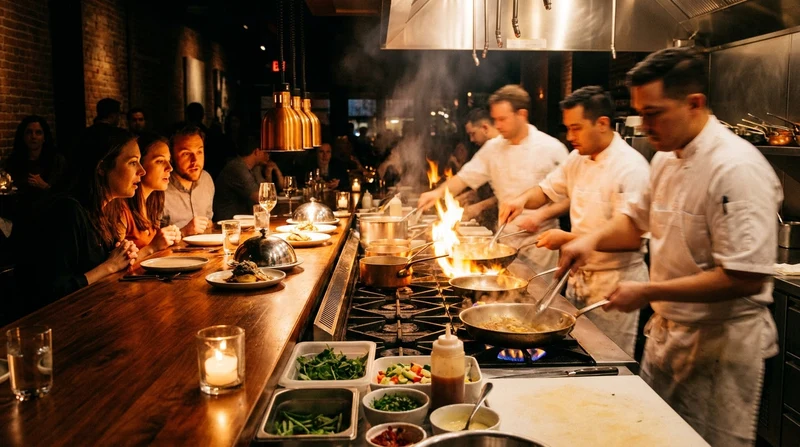
New York’s chef’s counters offer an immersive look at high-end cooking, where a tasting menu unfolds inches from the plancha and the plating bench. Seats are limited, courses are choreographed, and the experience often runs two to three hours. For many diners, this format is thrilling but unfamiliar. Understanding how reservations work, what the menu progression looks like, how pairings affect taste, and what etiquette keeps service flowing can turn a special night out into a confident, unhurried evening. This guide covers the details that shape a chef’s counter tasting in New York, from booking to dessert, so you know what to expect before you sit down.
-
Booking a Chef’s Counter Seat Without Last-Minute Scramble
Counter rooms typically release seats on a set schedule and may require a deposit or a credit card hold. Watch the reservation window and be ready when it opens. When researching fine dining in New York, note that many chefs’ counters maintain waitlists for prime times; adding flexible dates improves your chances. If you receive a notification, respond quickly before the slot passes to the next person.
Plan your arrival. Chef’s counters run on a tight cadence, and late arrivals can disrupt the progression for everyone. Choose a time that fits your commute, and add a few extra minutes for coat check and a welcome sip. If you can choose between early and late seatings, know the tradeoff: early seatings may feel calmer, while late seatings can deliver a livelier room but a later finish. Always confirm the cancellation window and any restrictions in the reservation email.
-
What a New York Tasting Menu Actually Includes
A classic New York tasting menu often starts with small bites like an amuse-bouche or canapés, then moves into cold courses such as crudo, cured fish, or bracing shellfish preparations. Warm plates typically follow, featuring seasonal vegetables, broths like clear consommé, and precisely cooked seafood on the plancha or quickly browned under the salamander. A meat course with a glossy reduction may arrive before an intermezzo, then dessert, petite fours, and a final sip. Expect frequent cutlery changes, warmed plates, and custom ceramics that hold heat or maintain chill.
Pacing is deliberate. Each pour or plate supports the next. Bread service might appear midway through the menu to bridge courses rather than at the start. Palate cleansers reset your senses, so resist rushing. If you are curious about a sauce or technique, ask your server between courses; they can explain a fermentation, the role of a jus, or why a sauce is mounted with butter just before service. This exchange keeps questions from interrupting the kitchen’s rhythm behind the counter.
-
Pairings That Match the Pace: Wine, Tea, and Zero Proof
Pairings are built to meet the arc of the menu. A wine pairing may open with something racy and mineral for oysters, shift to a rounder white for poached fish, then evolve into a delicate red for a roasted bird. Temperature and stemware matter, and you may see decanting used to soften young reds before a meat course. Choosing the pairing often means you taste more styles in smaller pours, aligned with the chef’s cadence.
There are trade-offs. A single bottle can be a focused, slower sip that you control, but it will not flex as the courses change. Non-alcoholic pairings have grown more ambitious, with infusions, teas, and zero-proof ferments designed to cut richness or amplify acidity. Picture a weekday seating where two guests choose a zero-proof flight to stay bright for a morning meeting; a citrus-and-herb infusion can slice through buttery sauces without dulling the palate. If you bring a special bottle, corkage policies vary, so confirm in advance to avoid surprises.
-
Etiquette at the Counter: Interaction, Photography, and Timing
At a chef’s counter, you are part of the line’s choreography. Engage with staff, but keep conversation brief while they plate. Avoid leaning over the rail or passing items across the counter. If you are curious about a siphon foam or a torched glaze, note your question and ask your server when hands are free. Strong fragrances can mask subtle aromas of a consommé or a lightly smoked scallop, so go easy on cologne or perfume.
On photography, keep it discreet and quick. No flash, minimal staging, and avoid blocking the pass for a shot of tweezers placing micro herbs. Time videos around sizzles from the plancha or a sauce nappe so you don’t delay service. Dress codes differ by room, but polished attire fits the setting. As for bread and butter, remember that the meal is long; sample, but leave space for later courses that may be more delicate or rare.
Dietaries and Special Requests the Kitchen Can Realistically Accommodate
Fixed menus are engineered like a score. Major last-minute substitutions can throw off pacing, temperatures, and preparation. Communicate allergies and aversions well before your visit so the kitchen can plan alternatives that maintain the flavor arc. For example, a shellfish allergy flagged days ahead might be met with a vegetable-forward crudo or a warm fish dish adjusted to avoid contact with allergens, allowing the rest of the menu to stay intact.
Chef’s counter restaurants such as The Chef’s Table at Brooklyn Fare design tightly integrated progressions, which is why advance notice matters. Preferences like skipping a specific mushroom are often easier to accommodate than avoiding entire categories of ingredients without warning. If the kitchen cannot make a swap, they may omit a course and adjust pacing to keep the table aligned. This is not a slight; it reflects the precision needed to deliver temperatures, sauces, and garnishes on the second.
Arrive prepared, unhurried, and curious, and a New York chef’s counter becomes more than a meal. It is an orchestrated study in temperature, texture, and timing, from the first amuse to the final mignardise. Book thoughtfully, share dietary needs early, choose a pairing that fits your evening, and let the room’s cadence guide you. With a bit of planning, you will taste the craft in each reduction, hear the quick hiss from the plancha without rushing your conversation, and leave with a clearer sense of how a great kitchen thinks in real time.

