

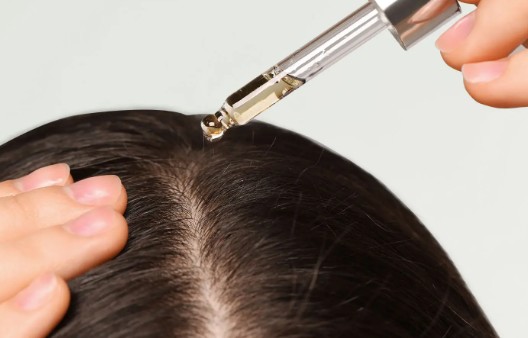
Stronger-looking hair begins with two priorities: keeping the scalp comfortable and protecting hair lengths from unnecessary damage. Whether you are comparing options for the best rosemary shampoo or simplifying an overcrowded shelf, the most useful routine is usually the one that addresses your actual scalp and hair needs.
A consistent routine can improve softness, manageability, and the appearance of breakage over time, but it is not a cure for every form of shedding or hair loss. The goal is not a dramatic overnight transformation. It is a practical set of habits that cleanses without overdoing it, conditions where needed, and reduces avoidable stress on the hair fiber.
Table Of Contents
- Why the Scalp Deserves More Attention
- How to Identify Your Scalp and Hair Needs
- The Core Steps of a Scalp-First Routine
- How to Choose Better Hair-Care Ingredients
- Habits That Can Weaken Hair Over Time
- When a Scalp Problem Needs Professional Care
- Simple Routine Examples for Different Hair Types
- Frequently Asked Questions
Why the Scalp Deserves More Attention
Your scalp is skin, while the visible hair length is made of hair fiber. That difference matters. Oil, sweat, styling residue, and dead skin cells collect closest to the scalp, while the mid-lengths and ends are more likely to need slip, moisture, and protection from friction. Treating both areas exactly the same can leave roots weighed down or ends feeling dry.
A scalp-first approach also creates a simpler way to evaluate products. If your scalp feels clean and comfortable after washing, and your hair is easier to detangle and style, the routine may be serving its purpose. If your scalp feels tight, itchy, coated, or increasingly uncomfortable, it is worth reassessing the routine rather than adding more products at random.
How to Identify Your Scalp and Hair Needs
Start by separating concerns at the roots from concerns along the length. Greasy roots and dry ends can happen at the same time. Flakes do not always indicate dryness, and hair that tangles easily may need gentler handling even when the scalp itself feels fine.
- Oily scalp: Hair looks greasy soon after washing.
- Dry or uncomfortable scalp: Skin feels tight, rough, or irritated.
- Visible flakes: Flaking can have different causes and may need more than a cosmetic adjustment.
- Product buildup: Hair feels heavy, dull, or difficult to style.
- Fragile lengths: Hair snaps, tangles, or shows split ends easily.
Track your routine for two to four weeks before deciding whether it works. Note how often you wash, what styling products you use, whether your scalp feels comfortable, and how your hair feels after it dries. This makes it easier to spot patterns, such as heavy products causing flat roots or frequent heat styling leaving the ends rough.
The Core Steps of a Scalp-First Routine
Healthy hair care does not need to be complicated. Dermatologists generally advise applying shampoo mainly to the scalp, using conditioner after washing, gently detangling wet hair, and limiting excessive heat. These healthy hair care practices can help reduce unnecessary damage during everyday washing and styling.
- Cleanse the scalp: Apply shampoo to the roots and massage with your fingertips, not your fingernails.
- Rinse thoroughly: Take time to remove cleanser and styling residue.
- Condition the lengths: Focus on the middle and ends, unless your hair is dry or textured throughout.
- Detangle slowly: Begin at the ends, then work upward with a wide-tooth comb or suitable detangling tool.
- Dry with less friction: Gently press or wrap hair to absorb water rather than rub it vigorously.
- Use heat thoughtfully: Choose a lower setting when possible and use heat protection before styling.
There is no universal wash schedule. Fine hair and an oily scalp may need more frequent cleansing, while dry, curly, coily, or thick hair may need less frequent cleansing. Exercise, climate, scalp comfort, and how much product you use all matter more than following a rigid calendar.
How to Choose Better Hair-Care Ingredients
Choose formulas based on a clear purpose rather than a long ingredient list or a trend-driven promise. A cleanser should remove excess oil and buildup without leaving the scalp uncomfortably tight. A conditioner should improve slip and manageability where your hair needs it most.
- Consider gentler cleansing formulas if dryness or tightness is a recurring issue.
- Choose lightweight conditioners and stylers if fine hair tends to flatten easily.
- Look for richer conditioning support if your lengths are coarse, curly, textured, or frequently heat-styled.
- Use clarifying products when buildup is genuinely present, rather than as an automatic weekly step.
- Patch-test a new product if you have a sensitive scalp or a history of reactions.
Strong fragrance, frequent product switching, and layering multiple active scalp treatments can make it difficult to tell what is helping. It is often more useful to change one variable at a time and give your scalp a chance to respond.
Price alone does not determine whether a shampoo or conditioner is right for you. When comparing options, consider bottle size, how often you will use it, whether it suits your hair type, and whether it solves a specific problem. Expert discussions of expensive shampoos similarly emphasize that cost is not a guarantee of better results for every person.
Habits That Can Weaken Hair Over Time
Many hair concerns are made worse by ordinary habits repeated often. Common trouble spots include:
- Scrubbing the scalp with fingernails.
- Rubbing wet hair with a rough towel.
- Using high heat every day.
- Wearing very tight hairstyles for long periods.
- Skipping conditioner on dry, fragile lengths.
- Applying too many styling products without thoroughly cleansing.
- Replacing products before you have given a routine enough time to evaluate.
It also helps to distinguish hair growth from hair retention. Hair can continue growing at the scalp while breakage at the ends prevents it from looking longer, fuller, or healthier. Gentle detangling, conditioning, and lower-friction drying support retention by reducing avoidable mechanical stress.
When a Scalp Problem Needs Professional Care
Persistent itchiness, painful bumps, thick scaling, redness, sudden shedding, or noticeable bald patches should not be treated as a simple product-selection issue. These symptoms can have causes that need medical evaluation.
If symptoms continue, worsen, or interfere with daily life, consult a board-certified dermatologist. Professional assessment can help identify whether a scalp condition requires treatment beyond changes to shampoo, conditioner, or styling habits.
Simple Routine Examples for Different Hair Types
For Fine or Easily Oily Hair
- Cleanse based on how quickly the scalp becomes oily.
- Apply conditioner from the middle of the hair to the ends.
- Keep heavy oils and thick creams away from the roots.
For Dry, Curly, or Textured Hair
- Wash as needed for scalp comfort and buildup.
- Use a richer conditioner through the lengths.
- Detangle while hair is coated with conditioner.
- Reduce friction during drying and styling.
For Damaged or Heat-Styled Hair
- Use moderate water temperatures.
- Condition at every wash.
- Apply heat protection before hot tools.
- Trim heavily split ends when needed.
Frequently Asked Questions
How Long Does It Take to Notice a Routine Change?
Comfort, softness, and easier detangling may improve relatively quickly. Reduced breakage and better length retention usually require consistent care over several weeks, so assess the routine over time rather than after one wash.
Should Shampoo Be Applied to the Whole Head?
Shampoo is usually most important at the scalp, where oil and buildup collect. As you rinse, the cleanser moves through the lengths, while conditioner can be focused where hair needs more support.
Can a Scalp Routine Stop Hair Loss?
A routine may reduce avoidable breakage and irritation, but it cannot address every cause of hair loss. Sudden or persistent changes should be evaluated by a qualified medical professional.
Is a Longer Routine Always Better?
No. A short routine with suitable steps is easier to follow and easier to assess. Adding unnecessary products can also create buildup, irritation, and confusion about what is working.
Conclusion
Healthier-looking hair is usually built through consistent habits, not a single miracle product. Cleanse the scalp gently, condition the lengths appropriately, reduce friction and heat where possible, and adjust your routine according to what your scalp and hair are telling you. When symptoms do not improve, make room for professional guidance.

