

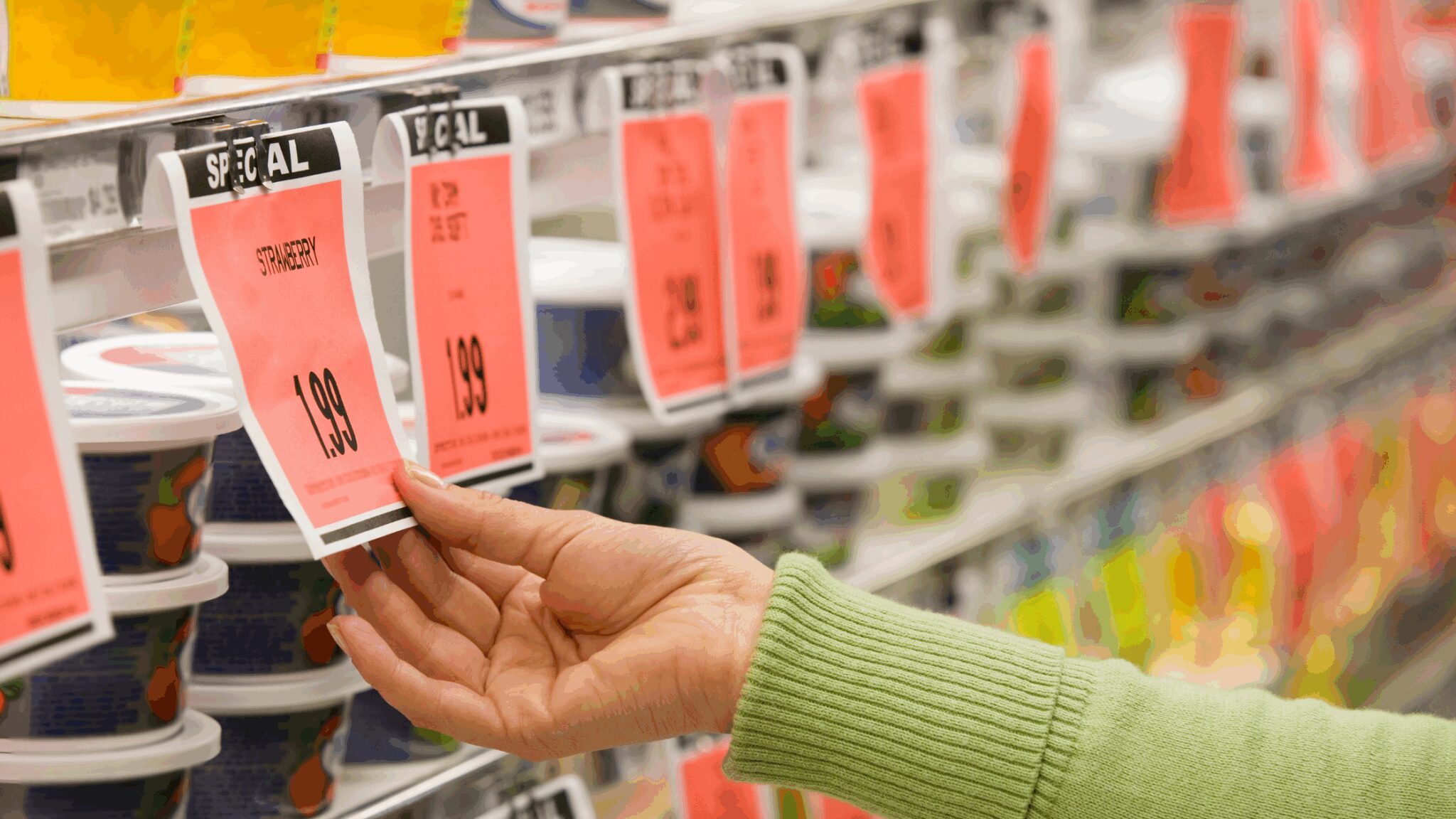
You probably noticed it before you could prove it. The cereal box looks the same on the shelf, but it empties a few days sooner. The bag of chips seems to have more air in it. The “family size” ice cream tub still says family size, yet somehow serves fewer people.
That is shrinkflation: a product gets smaller while the price stays the same, or drops by less than the size does. It is one of the quieter ways prices go up, because most of us look at the number on the price tag, not the number in tiny print on the package. The good news is that you can measure it in about a minute, and once you know how, it changes the way you shop.
Why a smaller package is a price increase
When a product shrinks and the price holds, you are paying the same amount for less. That means every ounce, sheet or serving now costs more, even though the receipt looks identical.
Here is a simple example. A box of cereal used to hold 18 ounces and sold for $4.99. The new box holds 15.4 ounces and still costs $4.99.
- Old price per ounce: $4.99 ÷ 18 = about 27.7 cents
- New price per ounce: $4.99 ÷ 15.4 = about 32.4 cents
The box is about 14.4% smaller, but the price per ounce has gone up by nearly 16.9%. Those two numbers are not the same, and that surprises a lot of people.
The math that makes shrinkflation look smaller than it is
A size cut always produces a bigger price increase than the cut itself. The reason is that the percentage is measured from a different starting point.
When the box shrinks from 18 to 15.4 ounces, the 2.6-ounce loss is measured against the old size of 18. When you work out the price increase, the comparison is against the new, smaller size. The smaller the base, the bigger the percentage.
A quick rule of thumb:
- A package that is 10% smaller costs about 11.1% more per unit.
- A package that is 20% smaller costs 25% more per unit.
- A package that is 25% smaller costs about 33.3% more per unit.
So when you read a headline saying a product “shrank by a quarter,” the real price increase per unit is a third. That is a meaningful difference on something you buy every week.
When the price goes down but you still pay more
Shrinkflation is not always “same price, less product.” Sometimes the price drops a little, which makes it look like a deal.
Say a bag of chips went from 10 ounces at $4.29 to 8.5 ounces at $3.99. The shelf price fell by 30 cents, so it feels cheaper. But per ounce:
- Old: $4.29 ÷ 10 = 42.9 cents
- New: $3.99 ÷ 8.5 = about 46.9 cents
That is a 9.4% increase per ounce, hidden behind a lower sticker price. This is the case where a little arithmetic really pays off, because your instinct says you are saving money.
How to check any product in under a minute
You need three things: the old size, the new size and the price for each. Then follow these steps.
- Find the net quantity. Look for “Net Wt,” “Net Contents” or the sheet or count number on the package. Ignore words like “jumbo,” “mega” or “family size,” which are marketing terms, not measurements.
- Work out the price per unit. Divide the price by the quantity for both the old and new versions.
- Compare the two unit prices. Subtract the old unit price from the new one, divide by the old unit price and multiply by 100.
If you would rather skip the long division in the aisle, plug the two unit prices into a Percentage Increase Calculator and it will give you the real increase straight away. It is especially handy when you are comparing a few products at once.
Where to find the old size
The hardest part is often remembering what the package used to hold. A few easy ways to find out:
- Keep an old package or a photo. If you buy the same items regularly, snap a picture of the label. It takes two seconds and gives you a record.
- Check your receipts or online order history. Many grocery apps list the size next to each item, so past orders show what you bought before.
- Look at the shelf tag. In many US states, stores show a unit price on the shelf label, such as cents per ounce. It is usually printed smaller than the main price, but it is the most honest number there.
Products where it shows up most
Shrinkflation can affect almost anything, but some categories come up again and again:
- Snacks and chips, where extra air in the bag hides a smaller net weight.
- Cereal and crackers, where boxes get slimmer front to back while staying the same height and width.
- Toilet paper and paper towels, where rolls lose sheets or the sheets themselves get narrower. If a pack of rolls drops from 300 to 264 sheets per roll at the same price, you are paying about 13.6% more per sheet.
- Ice cream, yogurt and coffee, where containers keep the same footprint but hold less.
Is it ever fair?
Not every size change is a trick. Ingredient and packaging costs do rise, and some shoppers would rather have a slightly smaller bar of chocolate than a higher price. Brands sometimes cut sizes to hit a price point that stores and buyers expect.
The issue is transparency. When a package shrinks without any clear notice, it relies on shoppers not checking. Knowing how to measure the change puts you back in control. You can decide whether the product is still worth it, switch to a store brand or buy a larger size that offers better value per unit.
Make unit price your habit
The easiest way to beat shrinkflation is to stop comparing sticker prices and start comparing unit prices. A smaller box at a lower price is not a bargain unless the cost per ounce goes down too.
Next time something you buy every week feels a little lighter, take a minute to check. You may find that a familiar item has quietly become one of the more expensive things in your cart.

