

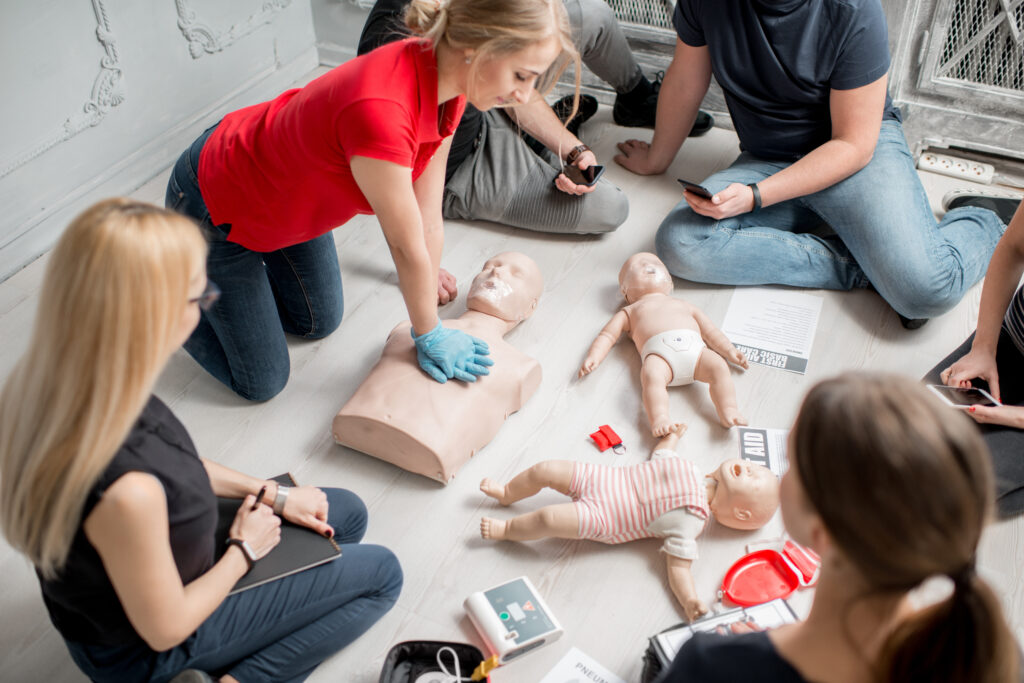
First aid involves much more than applying bandages, cleaning wounds, or treating minor injuries. It requires the ability to recognise medical emergencies, make quick decisions, and provide appropriate assistance until professional medical help arrives. Whether someone collapses at work, experiences breathing difficulties, or suffers an injury during outdoor activities, having practical first aid knowledge can make a significant difference. Completing a first aid course Adelaide residents can access provides an opportunity to develop these essential skills through structured learning and practical exercises.
Modern first aid education focuses on preparing individuals for real situations rather than simply memorising procedures. Participants learn to assess risks, communicate with emergency services, and respond confidently when unexpected incidents occur.
Recognising Emergencies Before They Become Critical
One of the most valuable skills taught during first aid training is recognising when someone requires immediate medical attention. Certain emergencies develop gradually, while others happen without warning. Identifying early symptoms can help prevent unnecessary delays in receiving treatment.
Participants learn to recognise warning signs associated with strokes, heart attacks, severe allergic reactions, and breathing difficulties. Training also introduces methods for assessing consciousness, checking normal breathing, and determining whether emergency services should be contacted.
These skills are particularly useful in workplaces, schools, shopping centres, and public spaces where medical emergencies can occur unexpectedly.
Performing CPR With Confidence and Accuracy
Cardiopulmonary resuscitation is among the most important practical skills included in emergency response education. When someone experiences cardiac arrest, immediate action can help maintain blood circulation until emergency responders arrive.
Through CPR training Adelaide, participants learn correct chest compression techniques, appropriate compression rates, and procedures for responding to an unconscious person who is not breathing normally.
Training also introduces automated external defibrillators, commonly known as AEDs. Participants learn to recognise when these devices are needed and follow their instructions safely.
Practical exercises using training mannequins help individuals become familiar with CPR procedures while developing confidence in their physical abilities.
Managing Bleeding, Wounds, and Physical Injuries
Although bandaging remains an essential component of first aid, effective injury management requires additional knowledge. Different injuries demand different responses, and incorrect treatment can sometimes worsen the situation.
During first aid and CPR courses, participants practice controlling external bleeding, applying appropriate dressings, and managing injuries involving muscles, joints, and bones.
Training may also cover burns, cuts, fractures, and suspected spinal injuries. Participants learn when movement should be avoided and when professional medical assistance is necessary.
Understanding these procedures is especially valuable for individuals working in construction, manufacturing, hospitality, and other environments where physical injuries may occur.
Responding to Choking and Breathing Emergencies
Choking can develop suddenly during meals or everyday activities, making immediate recognition particularly important. First aid training teaches participants to identify signs of severe airway obstruction and provide appropriate assistance.
Participants practice recommended responses for choking emergencies involving adults and children, including techniques that differ according to age and circumstances.
Training also introduces common breathing emergencies, including asthma attacks. Individuals learn to recognise serious symptoms, assist with prescribed emergency medication when appropriate, and seek additional medical support.
These skills are valuable for parents, caregivers, teachers, and employees who regularly interact with large groups of people.
Handling Medical Conditions That Require Immediate Attention
Not every emergency involves a visible injury. Some medical conditions require prompt assistance even when there are no obvious external symptoms.
First aid courses commonly introduce emergency responses for seizures, diabetic emergencies, fainting, and anaphylaxis. Participants learn to recognise concerning symptoms, maintain personal safety, and provide appropriate support.
For example, understanding seizure first aid helps individuals protect someone from nearby hazards without unnecessarily restricting their movements.
Similarly, recognising a severe allergic reaction can help someone act quickly and assist with an adrenaline auto-injector when indicated.
Developing Communication and Emergency Decision-Making Skills
Providing first aid involves more than physical treatment. Effective communication is essential when coordinating assistance, contacting emergency services, and reassuring an injured person.
Participants learn to communicate important information clearly, including the person’s condition, location, and visible symptoms.
Training also emphasises scene safety, personal protection, and recognising the limits of one’s abilities. These principles help individuals avoid unnecessary risks while providing assistance.
Conclusion
First aid education equips individuals with practical abilities that extend far beyond treating minor wounds. From performing CPR and managing choking incidents to recognising serious medical conditions, these skills support safer homes, workplaces, and communities.
Completing professional first aid training in Adelaide can help individuals become more prepared, confident, and capable during emergencies. Regular practice and refresher training further strengthen these abilities, ensuring essential knowledge remains useful when immediate action matters most.

