

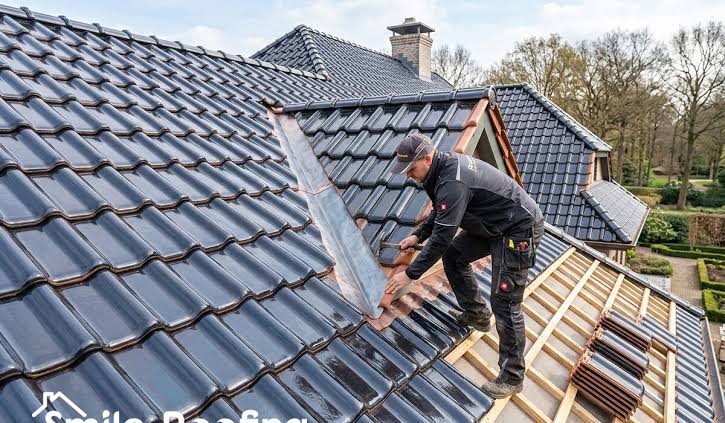
The Roofing Estimating Process Exposed! And Why Your Neighbors’ Roofing Quote May Be Twice As Much As Yours. I was talking to a homeowner the other day and she explained to me that she received a roofing quote for $9,000 to replace the roof on her house. She then went down the street and showed her neighbor the quote and her neighbor received a quote for $19,000 to replace the roof on her house. The homeowner was confused and asked me why there was such a big difference between the two quotes. It seems to me that there must be a simple explanation for the big difference, but when I asked the homeowner to tell me more about the two homes, I realized that the two homes were very similar, same age homes in the same neighborhood with the same type of weather, in the middle of the country with similar roofs. Yet, for some unexplained reason the neighbor’s quote was twice as much as the other home.
A Roofing Estimate Black Box? No More!
It starts with what’s up there already
For one, there is the existing roofing. Removing one layer of old asphalt shingles typically is not a huge problem and can be done within a short period of time. But homes can have up to 3 layers of shingles on them! Older homes were often ‘roofed over’ several times in order to add more square footage, and it was common practice at the time to just put more layers of shingles on top. It can make for a big and difficult job when it is time to remove them all. And it isn’t just the shingles themselves that can pose a problem. The decking underneath the shingles can rot and develop soft spots. And there are all sorts of other issues that can affect the substrate. Even if the exterior of the roof looks fine, there could be problems lurking beneath the surface. A contractor won’t know the full extent of the problem until he starts pulling back the layers of the roof, and by then, the price of the job may have gone up.
The decking of your home is typically made of wood and as such can be affected by a multitude of weathering conditions such as water, rot, mold and mildew. In many cases before putting on a new roof the contractor will want to inspect the wood for any damage. In some instances it may even be determined that parts of the decking will need to be replaced. This work would be estimated separately and performed by the roofing contractor or by a separate contractor while the roofing crew is working on your roof.
How Big Is Your House?
First the cost of roofing is generally determined by the square footage of your roof. A house with a larger roof will cost more to roof. Most roofing companies price their work by the square. A square is 100 square feet of roof. So a 2,000 square foot house would be priced to roof based upon that number. However the roof surface of your house is different from the floor plan. For example a large ranch style house with a very steeply pitched roof would cost more to roof than a house of the same square footage with a very steeply pitched Victorian style roof.
Roofing can also be charged by the pitch of your roof. If you have a roof that is extremely peaked or has a lot of lines in the roof then you will be charged up to 40% more to replace your roof than someone with a low pitched roof. This can add a lot of extra money to the cost of replacing a roof and should be taken into consideration before getting estimates for work.
Here is a comparison of the additional cost of several common features and circumstances on a home.
| Factor | Lower cost scenario | Higher cost scenario |
| Existing layers | One layer to remove | Two or three layers stacked |
| Roof pitch | Low-slope, easy access | Steep pitch, complex geometry |
| Decking condition | Solid, no replacement needed | Rot or water damage present |
| Material choice | Standard 3-tab asphalt | Metal, slate, or premium architectural shingles |
| Roof features | Simple gable design | Multiple valleys, skylights, chimneys |
Material choices: where the range gets genuinely wild
When you get a few quotes for a roofing project, you will see that the largest variation in price is between the lowest price and the highest price for the job. There are many models and types of asphalt shingles on the market today. There are the basic 3 tab shingles. These are the least expensive type of roofing material, but not the worst. They can last a long time if they are properly maintained. There are also architectural asphalt shingles. These are thicker and look better than the 3 tab shingles. They last longer and look better on a home. Then there are metal roofing shingles. These are the most expensive type of the roofing materials, but they can last for 40 to 70 years with very little maintenance. There are also slate roofing shingles. These are the most expensive of all of the types of roofing shingles. They last longer than all of the other types of roofing shingles and they look the best. A slate roofing system will last longer than the homeowner and their children. The homeowner will not have to worry about fixing or replacing the roof for a very long time.
Roof replacement cost, such as roof replacement cost Columbia MD, can vary depending on a home owner’s location. It is best to get a home owner price quote from local contractors in your location for a roof replacement. Prices can vary depending on climate and several other factors. The best way to get an accurate price quote is to get quotes from several local roofing contractors in your area.
Additional Considerations
Additional features of the roof. Yes, there are. Features that you’ve probably never even given a thought to until the time comes to receive a quote for your roof. There are skylights. Yes, they leak. And the leakers of skylights are especially difficult to find. And they need to be removed when replacing your roof, and then reinstalled. And that costs money. This is another of the features of the roof that are commonly thought of as upcharges, or features that the homeowner can choose to include in their contract or not. But this is not the case with features of the roof that affect the life of other features of the roof. In other words, there is no choice that the homeowner can make with regard to the poor attic ventilation that can cut the life of the shingles on your roof down by years.
- Chimney flashing replacement is often overlooked until a contractor flags it mid-job
- Skylights may need resealing or full replacement if they’re old
- Valleys (where two roof planes meet) are high-leak-risk areas that need extra care and materials
- Ventilation upgrades, if your current system is inadequate, can add to the total
(Also worth noting is that there is an added cost for properly ventilating a roof. This feature is sometimes sold as an additional layer of shingles but can also be installed as a separate feature. In many cases, the deterioration of a roof’s shingles is due to poor attic ventilation and adding this feature can extend the life of your roof by years.)
When does the price go up due to weather and other circumstances.
The cost of roofing materials as well as the labor to install these materials can vary depending on your location. Sometimes, the supply of materials can be affected by problems with supply chains. In cold weather climates, there are really only two seasons: spring and fall. Both seasons bring a large demand for roofers to repair leaky roofs. With a limited number of roofers in any given market, the increased demand for their services during these times can cause the cost of a roof repair to increase.
One other item to take into account is the roof replacement season. Since most roofs are replaced during the spring and fall seasons (since most roofing cannot be completed during the cold winter weather), this creates a peak time of demand on roofers. This creates higher prices for roofers to complete work during these times of increased demand. In turn, this can cause frustration for the homeowner, since they are at their lowest point of needing a new roof, and are also at their worst when trying to negotiate the lowest price with contractors.
Is it time for you to get quotes for a roof?
- Shingles curling at the edges or granules collecting in your gutters
- Daylight visible in the attic (not ideal, to say the least)
- Persistent leaks even after repairs
- Roof age pushing past 20-25 years for asphalt
So what do you actually do with all of this?
Be aware of what you are being quoted and do your research on prices. When you have received a few quotes it is a good idea to have each of the contractors break down their quote to the individual components of the roof. Then you will see where a contractor is cutting corners. In roofing the deck is one of the main components of a roof. The underlayment is also another key component to a quality roof. Just because a quote is lower does not mean it is a better price. Ask the contractor about the warranty on the materials and the labor. Some contractors offer a warranty on the materials but not on the labor that they perform. There are two very different warranties, make sure you are getting the correct one.
Your roof is not a commodity, although it may appear to be. While two roofs may appear identical they can be vastly different projects and thus the quotes for replacing them can be all over the place. So why are there such large discrepancies in the quotes for what appears to be the same work?

