
Most people have been there. It is late, someone has had a few too many drinks, and a well-meaning friend hands them a cup of coffee or pushes them toward a cold shower. The logic feels solid in the moment. The reality is a lot more complicated, and getting it wrong can have serious consequences. Understanding how alcohol moves through the body is not just trivia. It is the kind of knowledge that can change decisions in genuinely high-stakes situations.
This article breaks down the biology of alcohol metabolism, exposes the most stubborn myths, and explains what the science actually says about how intoxication fades over time. Along the way, you will also find out which factors genuinely influence how quickly someone processes alcohol and why those factors vary so much from person to person.
How the Body Actually Processes Alcohol
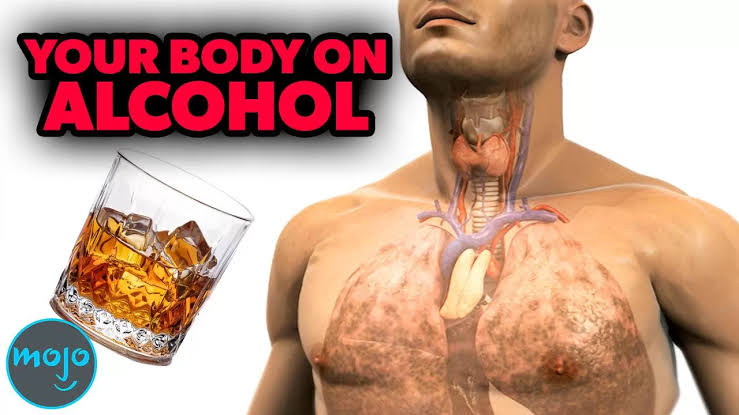
When you drink, alcohol is absorbed through the stomach and small intestine and enters the bloodstream almost immediately. From there, it travels to the liver, which is the primary site of metabolism. The liver produces an enzyme called alcohol dehydrogenase, or ADH, which breaks ethanol down into acetaldehyde, a toxic compound. A second enzyme then converts acetaldehyde into acetate, which is eventually broken down into water and carbon dioxide and expelled from the body.
The liver can only process alcohol at a fixed rate, roughly one standard drink per hour for an average adult, though this varies based on body weight, liver health, genetics, and other factors. That fixed rate is the key detail that makes so many popular remedies useless. No external action speeds up the enzymatic process. Drinking water, eating food after the fact, and sleeping can all help manage how a person feels, but none of them accelerate how quickly the liver clears alcohol from the blood.
Common Myths That Refuse to Die
Certain beliefs about sobering up are so widespread that correcting them almost feels rude. But the persistence of these myths can genuinely endanger people, particularly when someone believes they are sober enough to drive when they are not.
- Coffee sobers you up: Caffeine is a stimulant that can make someone feel more alert, but it has no effect on blood alcohol concentration (BAC). A person who is intoxicated and alert after coffee is still legally and physiologically impaired.
- Cold showers work: Exposure to cold water triggers a stress response and temporarily increases alertness, but again, BAC is unchanged. This myth has caused people to misjudge their own sobriety with dangerous results.
- Eating after drinking burns off alcohol: Food consumed before drinking slows alcohol absorption by coating the stomach lining. Food eaten after the alcohol is already in the bloodstream has almost no metabolic effect.
- Sweating it out at the gym helps: Exercise increases circulation and makes you feel more alert, but the liver is still processing alcohol at the same rate. Only about 5 to 10 percent of alcohol is eliminated through breath, sweat, and urine combined.
- Drinking water between drinks keeps you sober: Hydration helps prevent dehydration and can reduce the severity of a hangover, but it does not lower BAC.
What the Research Says About Sobering Up
If you have ever looked into what actually sobers you up, you already know that the honest answer is time, and only time. That conclusion is backed by decades of research on alcohol pharmacokinetics. A 2015 review published in the journal Alcohol and Alcoholism confirmed that no commonly proposed remedy, including food, caffeine, sleep, or exercise, meaningfully accelerates hepatic alcohol clearance. The liver’s enzymatic capacity is the ceiling, and nothing currently available to the average person raises that ceiling.
Sleep is worth addressing separately because it is often misunderstood. While sleeping does not speed up alcohol metabolism, a person who falls asleep after drinking is no longer making decisions or operating machinery, which reduces immediate risk. However, BAC can still be elevated upon waking, which is why some people feel impaired in the morning after a heavy night of drinking. Waking up does not mean sober.
Factors That Genuinely Affect Alcohol Metabolism
While no shortcut can bypass the liver, several biological and behavioral variables do affect how quickly a person becomes intoxicated and how long it takes for alcohol to clear their system. These factors do not change the liver’s hourly processing rate in real time, but they influence overall BAC trajectory.
| Factor | Effect on Alcohol Processing |
| Body weight | Higher body mass generally means more body water to dilute alcohol, lowering peak BAC |
| Biological sex | Women typically have lower ADH activity and less body water relative to fat, leading to higher BAC from the same amount of alcohol |
| Genetic variants in ADH and ALDH | Some people metabolize alcohol faster or slower based on enzyme gene variants, common in certain East Asian populations |
| Food before drinking | Slows gastric emptying and alcohol absorption, reducing peak BAC |
| Drinking pace | Faster consumption overwhelms the liver’s processing rate more quickly, raising BAC faster |
| Liver health | Chronic alcohol use or liver disease reduces metabolic efficiency over time |
| Medications | Many prescription and over-the-counter drugs interact with alcohol and affect how it is processed or how it feels |
Blood Alcohol Concentration and What the Numbers Mean
BAC is measured as grams of alcohol per 100 milliliters of blood, expressed as a percentage. In the United States, the legal driving limit is 0.08 percent for adults. According to the National Highway Traffic Safety Administration, in 2022, drunk driving fatalities accounted for 37 percent of all traffic deaths in the country, totaling 13,524 lives lost. That number underscores why accurate understanding of impairment matters so much.
What many people do not realize is that impairment begins well before 0.08 percent. Reaction time and judgment start to decline at BAC levels as low as 0.02 percent. By 0.05 percent, reduced coordination and difficulty tracking moving objects are measurable in controlled settings. The 0.08 percent legal limit is a threshold for per se illegality, not a threshold for the onset of impairment.
| BAC Level | Typical Effects |
| 0.02% | Mild relaxation, slight mood elevation, some loss of judgment |
| 0.05% | Reduced inhibitions, lowered alertness, impaired small-muscle control |
| 0.08% | Reduced muscle coordination, slower reaction time, impaired judgment and self-control |
| 0.10% | Slurred speech, slowed thinking, significant coordination loss |
| 0.15% | Major balance and motor control impairment, possible nausea |
| 0.20% and above | Confusion, stupor, risk of blackout, potentially life-threatening |
Practical Takeaways for Safer Decision-Making
Knowing how alcohol metabolism actually works does not mean avoiding alcohol entirely. It means making more accurate decisions about timing, consumption, and especially transportation. A few principles hold up well across the research.
- Count standard drinks carefully. A standard drink in the US is 14 grams of pure alcohol, equivalent to 12 ounces of regular beer, 5 ounces of wine, or 1.5 ounces of distilled spirits. Many cocktails and craft beers contain significantly more than one standard drink.
- Eat before, not after. Eating a substantial meal before drinking meaningfully slows absorption. This is one of the few practical interventions with real physiological backing.
- Calculate sober time honestly. If you consumed four standard drinks in two hours, your BAC is likely still elevated at the two-hour mark. Budget at least one additional hour per drink beyond your last one before driving.
- Hydrate and rest, but do not mistake that for sobriety. Water and sleep support recovery but do not lower BAC. Plan for alternate transportation when there is any real uncertainty.
- Understand your personal variation. Your weight, sex, liver health, and genetics all affect how alcohol hits you. What works for a friend may not reflect your own metabolism.
The body is not a machine that can be overridden with the right trick or combination of remedies. Alcohol follows a predictable biological timeline, and respecting that timeline is one of the clearest ways to protect yourself and others. The myths are appealing because they offer a sense of control in situations where the honest answer requires patience. But accurate information, even when it is less convenient, is always worth more than a comforting shortcut.

