

The hob is one of the most important kitchen appliances. It provides the main cooking surface for preparing everything from quick breakfasts to full family meals. With different types, sizes, controls, and features available, choosing the right hob depends on how you cook and what works best in your kitchen.
Gas, electric, and induction hobs each offer a different cooking experience. Some people prefer the direct heat and familiar controls of gas, while others may want the smooth surface of an electric hob or the fast, precise heating of induction.
Understanding the main differences can make it easier to choose a hob that suits your cooking habits, available space, and daily needs.
Gas Hobs
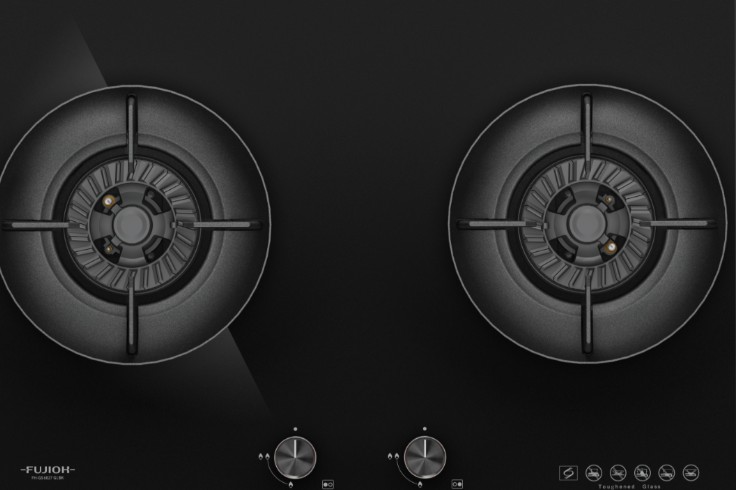
Gas hobs remain a popular choice for people who like direct and easily adjustable heat. The flame provides a clear visual indication of the heat level, allowing cooks to increase or reduce the temperature quickly.
One of the main advantages of a gas hob is its responsiveness. When the flame is adjusted, the heat changes almost immediately. This can be useful when cooking dishes that require regular temperature adjustments, such as sauces, stir-fries, and other recipes that need close control.
Many gas hobs feature sturdy pan supports, giving pots and pans a stable surface while cooking. They are available in different layouts and sizes, making it possible to choose a configuration that suits the kitchen and the number of dishes normally prepared at the same time.
Cleaning can require a little more effort because food and spills may collect around the burners and pan supports. Regular cleaning can help keep the hob in good condition and prevent buildup.
Electric Hobs
Electric hobs provide another option for modern kitchens. They generally have a simple design and can offer an easy cooking experience without an open flame.
Ceramic hobs are among the more common electric options. They use heating elements positioned beneath a smooth glass-ceramic surface. The flat surface gives the hob a clean appearance and can make wiping away spills easier.
Solid plate electric hobs use metal heating plates to transfer heat to cookware. They tend to have a straightforward design and can be durable, although they may take longer to heat up and cool down compared with some other hob types.
Electric hobs can be suitable for people who want a simple cooking surface with a clean and modern appearance.
Induction Hobs
Induction hobs use a different heating method from gas and conventional electric hobs. Instead of heating the cooking surface first, an induction system creates a magnetic field that heats compatible cookware directly.
This allows induction hobs to heat pans quickly and provides precise control over cooking temperatures. The cooking surface itself does not work in the same way as a traditional heating element, although it can become hot from contact with the heated pan.
Another benefit is that there is no open flame. This can make induction an attractive option for households that prioritise a clean and modern cooking setup.
Induction hobs require compatible cookware, usually pots and pans containing suitable magnetic material. It is therefore worth checking existing cookware before choosing an induction model, as some pans may not work with it.
Control Options
The controls can affect how easy a hob is to use. Different models use different control systems, so personal preference can play a role in the decision.
Rotary knobs are commonly associated with gas hobs and provide a physical control that can be adjusted easily. Some people prefer this approach because it provides a clear and familiar way to change the heat.
Touch controls are more common on ceramic and induction hobs. They create a flat surface with fewer physical components, which can contribute to a clean appearance.
Digital displays can provide information about heat settings, timers, and other functions. When choosing a hob, it is worth checking whether the controls are easy to read and operate, especially while cooking.
Safety Features
Safety should always be considered when choosing a cooking appliance. Modern hobs can include several features designed to reduce common kitchen risks.
Gas hobs may have flame failure protection, which can help stop the gas supply if the flame goes out unexpectedly. This provides an additional layer of protection during cooking.
Electric and induction hobs may include features such as residual heat indicators, child locks, automatic shut-off functions, and overheating protection.
A residual heat indicator can alert users that a cooking zone remains hot after it has been switched off. Child locks can also help prevent young children from accidentally changing settings.
The exact safety features vary between models, so buyers should check the specifications before making a decision.
Ease of Cleaning
Cleaning is an everyday consideration that can easily be overlooked when choosing a hob. A surface that is difficult to clean can become frustrating, particularly for people who cook frequently.
Flat ceramic and induction surfaces are generally straightforward to wipe down because they have fewer raised components. However, spills should still be cleaned according to the manufacturer’s instructions.
Gas hobs have more individual parts, including burners and pan supports. These components may need to be removed and cleaned separately.
Regular cleaning can help prevent grease and food residue from building up. Using suitable cleaning products and following the manufacturer’s care instructions can also help protect the cooking surface.
Smart Hob Features
Technology is becoming increasingly common in kitchen appliances, and hobs are no exception. Some modern models offer additional digital features designed to make cooking more convenient.
Timers can help users keep track of cooking times without needing a separate kitchen timer. Certain systems may also provide automatic controls or sensors that respond to cookware and cooking conditions.
Connected appliances can offer additional information through compatible apps or smart home systems, although the exact functions vary between manufacturers and models.
Smart features can be useful, but they should not be the main reason for choosing a hob. Basic performance, safety, size, and ease of use remain important factors.
Energy Efficiency
Energy use is another factor worth considering. Different hob types use energy in different ways, and the overall efficiency of a cooking appliance can depend on both its technology and how it is used.
Induction hobs are often valued for their efficient transfer of heat because the cookware is heated directly through electromagnetic energy. This can reduce some of the heat lost to the surrounding area.
Electric hobs can also provide consistent heating, while gas hobs use combustion to produce heat. Each system has its own characteristics, and actual energy consumption will depend on cooking habits, temperature settings, cooking times, and the type of cookware used.
Choosing an efficient hob can be useful for households that cook regularly and want to manage their energy use.
Considering Kitchen Design
A hob should also fit naturally into the overall kitchen layout. Modern kitchens often place importance on creating a clean and consistent appearance, so the design and finish of the appliance can influence the final look.
Built-in hobs can provide a streamlined appearance by sitting within the worktop. The surrounding space should also allow enough room for safe and comfortable cooking.
Ventilation is another important consideration. Depending on the type of hob and kitchen layout, an appropriate cooker hood or ventilation system may be needed to manage heat, cooking odours, smoke, and airborne grease.
Good planning can make the hob easier and safer to use while helping it fit into the wider kitchen design.
Conclusion
Hobs play an important role in everyday cooking, and the wide range of options means there is plenty of choice for different households. Gas hobs offer direct heat and familiar control, electric hobs provide a simple and clean cooking surface, while induction hobs offer fast heating and precise temperature management.
The best choice depends on your kitchen, cooking habits, available space, cookware, and personal preferences. Safety, cleaning, controls, energy efficiency, and build quality should also be considered before making a purchase.
By taking the time to compare these factors, you can choose a hob that works well with your kitchen and makes everyday cooking more convenient.

