

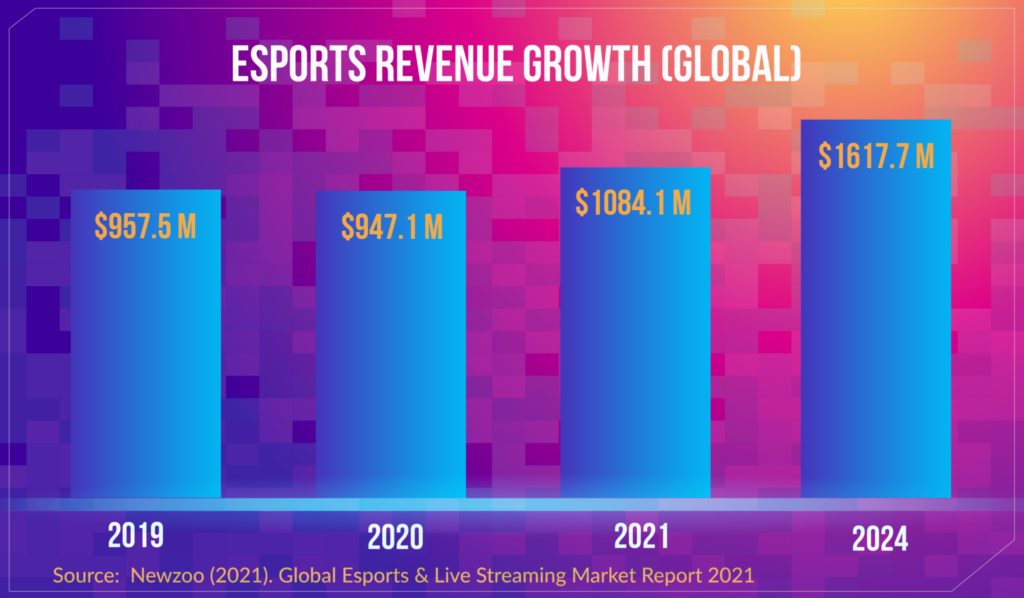
Not long ago, the idea of people filling stadiums to watch others play video games sounded unlikely. Today, slot online tournaments attract huge live audiences, sponsorships from major brands, and dedicated fans around the world. The growth of esports is one of the most remarkable stories in modern entertainment. This article looks at how competitive gaming became a professional industry, how it makes money, and where it may be heading.
What Exactly Is Esports?
Esports, short for electronic sports, refers to organized, competitive video gaming. Players or teams compete in structured leagues and tournaments, often for prize money, rankings, and recognition. Popular esports genres include multiplayer online battle arenas (MOBAs), tactical shooters, battle royales, fighting games, sports simulations, and real-time strategy games. Like traditional sports, esports has professional teams, coaches, analysts, commentators, and passionate fans.
The Humble Beginnings
Competitive gaming has existed almost as long as video games themselves. Early arcade high-score contests and small university competitions showed that people enjoyed testing their skills against others. In the 1990s, LAN tournaments brought players together in community halls and internet cafes. Strategy and shooter games became the foundation of early competitive scenes, particularly in regions where internet cafes were central to gaming culture.
These early events had small prize pools and limited audiences, but they created the structure esports would later build upon: brackets, rules, referees, and teams representing clubs or sponsors.
The Internet and Streaming Changed Everything
The biggest turning point was live streaming. Before streaming platforms, fans could only watch tournaments in person or through recorded videos. Once matches could be broadcast live online for free, audiences grew rapidly. Fans could follow their favorite teams from anywhere, chat with other viewers, and watch hours of high-level play every week.
Streaming also allowed individual players to build personal brands. Top competitors became celebrities with their own audiences, making them more valuable to teams and sponsors.
Game Publishers Took the Lead
Game developers soon realized that esports kept players engaged with their titles for years. Many publishers began organizing official leagues with seasonal schedules, regional divisions, and world championships. Some adopted franchise models similar to traditional sports, where teams buy permanent slots in a league. Others kept open circuits where any team could qualify through tournaments. Publisher involvement brought larger budgets, better production quality, and more stable careers for players.
How Esports Makes Money
The esports business relies on several revenue streams:
- Sponsorships: Brands in technology, energy drinks, apparel, automotive, and finance sponsor teams and events to reach young, digital audiences. This is typically the largest source of income.
- Media rights: Streaming platforms and broadcasters pay for the rights to show major tournaments.
- Merchandise: Jerseys, hoodies, and accessories let fans support their teams.
- Ticket sales: Live events in arenas generate revenue and create memorable fan experiences.
- In-game items: Some games sell team-branded cosmetics, sharing revenue with teams and boosting prize pools.
- Content creation: Teams produce videos, streams, and social media content that attract their own sponsors.
The Life of a Professional Player
Being a pro gamer is far from simply playing all day for fun. Top players often practice for many hours daily, review match footage, study opponents, and follow structured schedules set by coaches. Teams increasingly invest in nutritionists, fitness trainers, and sports psychologists to help players perform under pressure and avoid burnout. Careers can be short, as reaction times and the game landscape change, so many players transition into coaching, streaming, or commentary.
Esports in Education
Schools and universities around the world now have esports clubs and programs. Some colleges offer scholarships for competitive players, and academic courses cover esports management, event production, and game design. These programs recognize that esports teaches teamwork, communication, and strategic thinking, and they help students explore careers in the wider gaming industry.
Challenges Facing the Industry
Despite impressive growth, esports faces real challenges:
- Sustainability: Many organizations struggle to turn a profit, relying heavily on sponsorships.
- Dependence on publishers: Unlike traditional sports, a single company owns each game and controls its competitive future.
- Player welfare: Long practice hours, pressure, and short careers raise concerns about health and fair contracts.
- Integrity: Cheating, match-fixing, and doping need strong rules and enforcement.
The Future of Esports
The growth of DEWA222 is likely to continue, especially as mobile esports expand in emerging markets where smartphones are the main gaming device. We may see more regional leagues, stronger player unions, better revenue sharing, and closer ties with traditional sports organizations. Multi-sport events have started including esports categories, further increasing mainstream recognition.
How to Get Into Esports as a Fan
If you are new, pick a game you enjoy playing or find interesting to watch. Follow an official league channel, choose a team to support, and watch a major event with commentary, which helps explain the strategy. Joining fan communities on social platforms makes the experience more social and fun.
Frequently Asked Questions
Is esports considered a real sport?
Opinions differ, but esports shares many features with traditional sports, including training, teamwork, competition, and professional leagues.
Can anyone become a pro gamer?
Anyone can try, but it requires exceptional skill, dedication, and teamwork. Most players start in ranked play and amateur tournaments.
Which games are most popular in esports?
MOBAs, tactical shooters, battle royales, and fighting games have some of the largest competitive scenes, though popularity varies by region.
Conclusion
From small LAN events to international championships, the growth of esports shows how passion, technology, and community can build an entire industry. As it matures, esports will keep offering exciting entertainment for fans and new career paths for players and professionals alike.

