

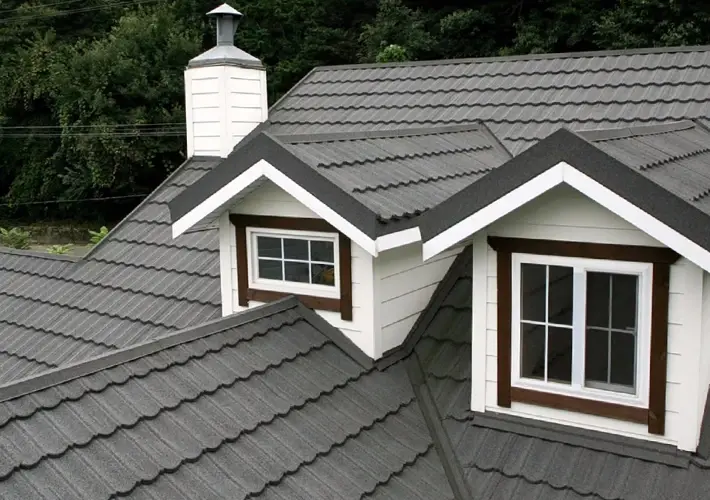
Choosing the right roofing material is one of the most important decisions homeowners can make when constructing a new property or upgrading an existing roof. A well-designed roof protects the building from harsh weather, supports energy efficiency, enhances curb appeal, and contributes to the property’s long-term value. With numerous roofing materials available, selecting an option that balances durability, appearance, maintenance, and affordability can feel challenging. One solution that has gained attention for combining traditional aesthetics with modern engineering is stone coated roofing, which offers a distinctive appearance alongside practical benefits for residential and certain commercial applications.
Roofing technology has evolved considerably over the years, introducing materials designed to withstand changing weather conditions while maintaining an attractive finish. Traditional materials such as clay tiles, asphalt shingles, and concrete tiles remain popular, but metal roofing systems have also become increasingly versatile. Stone-coated metal panels combine the structural strength of metal with a textured surface made from stone granules, creating a roof that can resemble conventional tiles or shingles without requiring the same type of construction.
Understanding the features, benefits, installation requirements, and maintenance considerations of this roofing solution can help property owners make informed decisions. Whether you are planning a new construction project or considering replacing an aging roof, learning how different roofing systems perform will allow you to choose an option that meets your property’s architectural requirements and long-term needs.
What Is Stone-Coated Roofing?
Stone-coated roofing is a roofing system generally manufactured from formed steel panels covered with protective coatings and finished with natural stone granules. These granules provide texture, color, and visual depth, allowing the panels to imitate the appearance of materials such as clay tiles, slate, wood shakes, or traditional shingles. Beneath the decorative surface, the metal core provides structural strength and helps the roofing system resist many of the problems associated with heavier or more fragile materials.
The manufacturing process typically begins with steel sheets that are shaped into specific panel profiles. Protective metallic coatings, often based on zinc or aluminum-zinc alloys, help reduce the risk of corrosion. Additional primers and bonding layers may be applied to prepare the surface for the stone granules. A protective finishing treatment helps secure the granules and improve the product’s overall resistance to environmental exposure.
Different manufacturers use different materials, coating systems, and production methods, so product specifications should always be reviewed before purchasing. The quality of the steel, the thickness of protective layers, the granule bonding process, and the precision of the panel design can all influence long-term performance.
Unlike conventional metal sheets that have a smooth, reflective appearance, stone-coated panels have a textured finish that can complement a wide variety of architectural styles. This makes them appealing to homeowners who want the performance characteristics of metal without the appearance of a standard industrial metal roof.
Key Benefits of Stone-Coated Roofing
One of the primary reasons homeowners consider this roofing system is its combination of appearance and practical performance. Traditional roofing materials can look attractive but may be heavy, fragile, or demanding to maintain. Some modern alternatives offer excellent durability but may not provide the architectural style a homeowner wants. Stone-coated metal panels aim to bridge that gap.
Durability is an important advantage when the system is properly manufactured and installed. The metal substrate provides strength, while protective coatings help guard against corrosion. The textured finish also contributes to the roof’s distinctive appearance and can help conceal minor surface marks that might be more noticeable on smooth metal panels.
Another benefit is the relatively low weight of many stone-coated metal products compared with concrete or clay tiles. A lighter roofing material can reduce the structural load imposed on a building, although the existing roof structure must still be inspected to determine whether it is suitable. The precise weight varies according to the product design, steel specifications, and installation system.
Design flexibility is another appealing feature. Manufacturers often offer different colors, profiles, and finishes, making it easier to coordinate the roof with exterior walls, windows, landscaping, and other architectural elements. Depending on the selected profile, the finished roof may resemble traditional shingles, Mediterranean-style tiles, or rustic wood shakes.
Many systems are also designed to withstand demanding weather conditions, including heavy rain, strong winds, and temperature fluctuations. Actual performance depends on the product’s tested specifications, the roof design, and the quality of installation. Choosing a system suited to the property’s environmental conditions is essential for obtaining the intended benefits.
Exploring Different Styles and Designs
Roofing materials contribute significantly to the character of a property. A roof can complement an architectural design, emphasize particular features, and create a cohesive appearance across the entire exterior. Stone-coated metal roofing is available in several styles, allowing homeowners to select a finish that suits their preferences.
Tile-style profiles are designed to resemble traditional clay or concrete tiles. Their curved or segmented appearance can create a classic aesthetic while providing the advantages associated with a metal roofing substrate. These profiles are often suitable for homes that feature decorative rooflines, traditional facades, or Mediterranean-inspired architectural elements.
Shingle-style panels imitate the appearance of conventional asphalt or composite shingles. They offer a more understated look that works well with many contemporary and traditional residential designs. Their consistent patterns can help create a clean, balanced roofline without the appearance of exposed metal sheets.
Shake-style profiles are intended to replicate the texture and irregular character of wooden shakes. This design can provide a warm, rustic appearance while avoiding some of the maintenance concerns associated with natural wood roofing. The stone finish adds visual texture and helps create a more traditional exterior.
Slate-inspired designs offer a refined appearance that resembles natural slate roofing. They may be appropriate for homes where a sophisticated, structured roofline is desired without installing individual natural stone pieces.
Color selection is equally important. Dark gray, charcoal, brown, red, and earth-toned finishes can create different visual effects depending on the exterior materials. When comparing samples, examine them in natural daylight because colors may appear different under artificial lighting or against different wall finishes.
Durability and Weather Resistance
A roof must withstand repeated exposure to sunlight, rain, wind, airborne debris, and changing temperatures. The materials used in its construction determine how effectively it performs under these conditions. Stone-coated metal roofing systems are designed to combine the strength of a metal substrate with protective surface treatments, but their performance depends on the quality of each component.
The steel core provides the basic structural foundation. Protective metallic coatings help reduce corrosion, particularly when the coating is appropriate for the expected environmental exposure. The stone granules contribute to the finished appearance and help protect the underlying surface as part of the complete coating system.
Wind resistance is an important consideration in areas that experience strong storms. A properly designed and installed roof must have suitable fastening systems, edge details, and underlayment. Even a high-quality panel can fail if fasteners are incorrectly installed or the roof’s edges and connections are poorly designed. Homeowners should review wind ratings and installation requirements rather than relying on general claims about strength.
Rain resistance also depends on the complete roofing assembly. Panels must overlap correctly, flashing must be installed around roof penetrations, and valleys must be designed to direct water safely toward drainage points. Gutters and downspouts should remain clear so that rainwater does not accumulate near vulnerable roof edges.
Hail resistance varies by product and impact conditions. Some metal panels may withstand certain impacts better than fragile roofing materials, but stone granules can still become damaged under severe conditions. Ask manufacturers for relevant test results and warranty details if hail is a concern.
Temperature changes can cause roofing materials to expand and contract. Proper fastening methods and suitable installation details help accommodate these movements. Selecting a system with documented performance characteristics provides a stronger basis for evaluating its suitability than relying on appearance alone.
Energy Efficiency and Indoor Comfort
Roofing materials can influence the amount of heat transferred into a building, particularly in properties exposed to intense sunlight. A roof with appropriate reflective properties, effective ventilation, and suitable insulation can help manage indoor temperatures and reduce the demand placed on cooling systems.
Stone-coated roofing may support energy efficiency when the selected product is designed with suitable solar-reflective characteristics. However, the stone finish itself does not automatically guarantee superior energy performance. Different colors, coatings, panel designs, and underlying roof assemblies can produce different results, so homeowners should examine product-specific energy information.
Lighter-colored finishes generally reflect more sunlight than darker finishes, although the actual performance depends on the complete roofing system. Choosing a color based on appearance alone may not deliver the desired thermal results, particularly in buildings that experience substantial solar exposure.
Roof ventilation is another essential factor. Properly designed intake and exhaust ventilation can help remove accumulated heat and moisture from roof spaces. This can improve comfort and reduce the likelihood of moisture-related problems, provided the ventilation system is designed according to the building’s requirements.
Insulation plays an equally important role because it reduces heat transfer between the roof and interior spaces. Even an energy-efficient roof covering cannot compensate fully for inadequate insulation or poor air sealing. A comprehensive approach that combines appropriate roofing materials, ventilation, insulation, and reflective properties generally provides better results than focusing on one component alone.
Homeowners interested in reducing energy consumption should evaluate the entire roof assembly rather than assuming that a particular surface finish will automatically lower utility bills.
Understanding Installation Requirements
Correct installation is essential for the long-term performance of any roofing system. Even premium materials can develop problems when installed without attention to manufacturer specifications, roof geometry, drainage requirements, and fastening details. Hiring experienced installers and ensuring that the project follows the product’s technical instructions can help prevent avoidable failures.
The process generally begins with an inspection of the existing roof structure. Contractors assess the roof deck, framing, slope, ventilation, flashing, and any signs of moisture damage. If the existing roof has deteriorated materials or structural problems, those issues should be addressed before the new system is installed.
The roof deck must provide a suitable foundation for the chosen installation method. Depending on the product and building design, the project may require an underlayment or additional components that help manage moisture and protect the underlying structure. These materials should be selected according to the manufacturer’s recommendations and applicable building requirements.
Panels are then positioned and secured using the specified fasteners and installation pattern. Correct alignment and overlap are important because they help create a consistent appearance and support effective water drainage. Roof valleys, ridges, hips, eaves, and penetrations require particular attention because these areas can be vulnerable to leakage if they are not detailed correctly.
Flashing around chimneys, vents, skylights, and other roof openings must be installed carefully. These components direct water away from joints and vulnerable areas. Poorly executed flashing can undermine an otherwise well-installed roof.
After installation, the contractor should inspect the finished system, confirm that accessories are secure, remove construction debris, and address any visible defects. Homeowners should request documentation covering the installed materials, workmanship, maintenance requirements, and warranty conditions.
Maintenance Practices That Extend Roof Life
Although stone-coated metal roofing is often selected for its relatively low maintenance requirements, regular inspections remain important. Every roof is exposed to environmental conditions that can gradually affect its components. Routine attention helps identify developing problems before they become expensive repairs.
Start by inspecting the roof from a safe position at ground level. Look for visible damage, displaced components, debris accumulation, and signs of water entering the building. If you notice unusual stains on ceilings or walls, investigate the possibility of a roof leak promptly.
Keep gutters and downspouts clear of leaves, branches, and other debris. Blocked drainage systems can cause water to collect around roof edges and may contribute to moisture damage. Inspect drainage components periodically, especially after severe weather or during seasons when leaves accumulate.
Remove branches and other debris that could scratch surfaces or obstruct water flow. Trees that hang close to the roof may need professional trimming if they repeatedly deposit debris or pose a risk during storms. Avoid using harsh chemicals or abrasive tools on the roof because they may damage protective coatings or loosen stone granules.
Do not walk across the roof unnecessarily. Metal panels can be damaged by improper foot placement, and roof surfaces may be slippery. If a detailed inspection or repair is required, use a qualified professional who understands the product’s handling requirements and appropriate safety procedures.
Pay attention to flashing, fasteners, roof penetrations, and visible sealant joints. These components may require inspection or maintenance according to the manufacturer’s instructions. Addressing small concerns early can help preserve the roof’s protective function and prevent moisture from reaching the underlying structure.
Comparing Stone-Coated Roofing With Other Materials
Choosing the right roofing system requires comparing more than initial appearance or purchase price. Different materials have different strengths, installation requirements, maintenance needs, and expected service lives. Evaluating these characteristics helps property owners identify an option that meets their priorities.
Asphalt shingles are widely used because they are available in many styles and generally have relatively accessible initial costs. However, their durability and resistance to environmental exposure vary according to product quality and local conditions. They may also require replacement sooner than some premium metal roofing systems.
Clay and concrete tiles offer distinctive architectural appeal and can provide long service when properly installed and maintained. Their greater weight may require stronger structural support, and individual tiles can crack under certain impacts or handling conditions. Installation can also involve additional labor because of the size and weight of the components.
Traditional standing-seam metal roofing provides a clean, modern appearance and can deliver strong weather performance when correctly installed. However, some homeowners prefer a textured finish that more closely resembles conventional tiles or shingles. Stone-coated panels provide an alternative for people who want a metal-based system with a more traditional appearance.
Natural slate can be attractive and long-lasting, but it may involve higher material and installation costs, specialized labor, and additional structural considerations because of its weight.
No roofing material is ideal for every building. The most suitable choice depends on the property’s structural characteristics, architectural design, budget, environmental exposure, and maintenance expectations. Comparing technical specifications and installation requirements provides a more reliable basis for choosing a system than considering appearance alone.
Cost Factors and Long-Term Value
The total cost of a roofing project includes more than the price of the panels themselves. Labor, underlayment, flashing, fasteners, roof preparation, waste removal, and any necessary structural repairs can significantly influence the final expense. Understanding these components helps homeowners prepare a realistic budget.
The size and complexity of the roof are major cost factors. A simple roof with broad, uninterrupted surfaces may require less labor than a roof containing multiple valleys, dormers, steep slopes, and penetrations. Difficult access and additional safety requirements can also increase installation costs.
Material specifications matter as well. Differences in steel quality, protective coatings, granule finishes, panel profiles, accessories, and warranty coverage can affect the price. Comparing products with similar specifications is therefore more useful than selecting the least expensive quotation without reviewing what it includes.
Long-term value should also be considered. A roofing system with a higher initial cost may offer benefits through reduced maintenance, improved durability, and a longer expected service life. However, these advantages depend on product quality, installation workmanship, environmental conditions, and ongoing care.
Ask contractors to provide itemized estimates so you can distinguish material expenses from labor and additional services. Review warranty conditions carefully, including exclusions, maintenance requirements, and the difference between material warranties and workmanship guarantees.
A well-planned investment focuses on reliable performance over time rather than simply minimizing the upfront price. Choosing suitable materials and ensuring proper installation can help reduce the likelihood of premature repairs and unexpected replacement costs.
Common Mistakes to Avoid When Choosing a Roofing System
One common mistake is selecting roofing materials based entirely on appearance. A beautiful finish may complement the building perfectly, but the product must also meet the property’s structural, environmental, and performance requirements. Before making a purchase, review the technical specifications and confirm that the system is appropriate for the roof’s slope and design.
Another mistake is overlooking the importance of installation quality. Homeowners sometimes focus heavily on comparing product prices while paying less attention to the contractor’s experience. In reality, poor workmanship can cause leaks, fastening problems, and premature deterioration regardless of the quality of the materials.
Ignoring ventilation and insulation can also limit the roof’s overall performance. A durable exterior covering cannot correct every problem associated with poor airflow, inadequate insulation, or uncontrolled moisture. These elements should be evaluated together during the planning stage.
Some property owners also assume that all warranties provide the same level of protection. Warranty terms can vary considerably, and exclusions may apply to improper installation, neglected maintenance, severe weather, or other specific circumstances. Reading the documentation carefully helps establish realistic expectations.
Finally, avoid choosing a system without obtaining a detailed estimate and written installation plan. Confirm which materials are included, how vulnerable roof details will be handled, what cleanup is provided, and how concerns will be addressed after completion. Clear agreements help prevent misunderstandings and create a stronger foundation for a successful project.
Conclusion
Choosing the right roofing system is an investment in the protection, appearance, and long-term performance of a property. Stone-coated roofing metal panels offer a distinctive combination of textured aesthetics, structural strength, and design flexibility, making them an option worth considering for homeowners seeking an alternative to conventional roofing materials. Their actual performance, however, depends on the quality of the product, the suitability of the design, and the care taken during installation.
Before making a final decision, evaluate the roof’s structural requirements, compare available styles, review energy performance information, and request detailed estimates from qualified contractors. Consider the full cost of ownership, including installation, maintenance, potential repairs, and warranty conditions. Taking these factors into account helps ensure that the selected system meets both immediate needs and long-term expectations.
Regular inspections and appropriate maintenance are equally important after installation. Keeping drainage systems clear, addressing visible damage promptly, and following manufacturer recommendations can help preserve the roof’s condition over time.
Ultimately, a well-chosen roofing system should provide dependable protection while complementing the property’s architectural design. By researching available options and prioritizing quality workmanship, homeowners can make a more informed investment and enjoy greater confidence in the durability, appearance, and functionality of their roof for years to come.

