

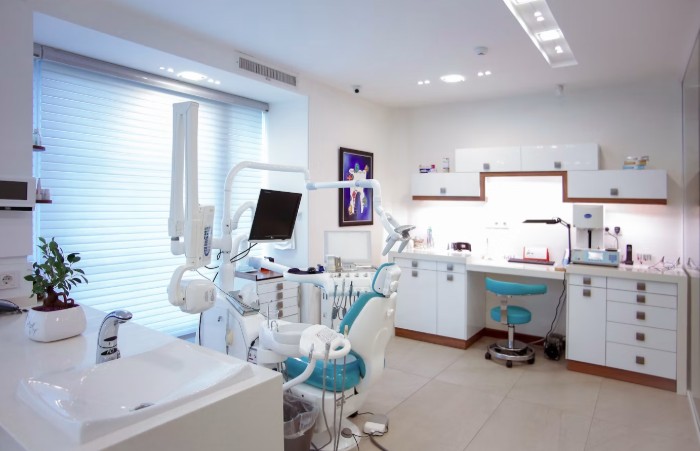
Dental care has developed significantly over the years, moving from basic and often uncomfortable procedures to modern treatments supported by advanced technology and specialised expertise. Singapore reflects this progress through its well-developed healthcare system and dental industry. Dental clinics such as de Pacific Dental Group provide a range of services that combine clinical expertise, modern equipment, and patient-focused care.
The Development of Dental Services
Early dental care relied on simple techniques and traditional remedies, with limited understanding of oral health and disease prevention. As dentistry developed, new procedures, equipment, and hygiene standards improved the safety and effectiveness of treatment.
Singapore’s dental sector has progressed alongside international developments. Dental clinics now provide preventive, restorative, orthodontic, periodontal, and cosmetic treatments, giving patients access to a broader range of services in a regulated healthcare environment.
The Role of Technology in Dentistry
Technology has changed how dentists diagnose and treat dental conditions. Digital X-rays, computer-aided design and manufacturing (CAD/CAM), and other digital tools allow dentists to obtain more detailed information and plan treatments with greater accuracy.
Modern dental practices can use these technologies to assess oral health, develop treatment plans, and monitor progress. At clinics such as de Pacific Dental Group, technology can support the delivery of treatments that are tailored to individual patient requirements.
Multidisciplinary Dental Care
Many modern dental clinics provide access to different areas of dental expertise. These may include orthodontics, periodontics, prosthodontics, implant dentistry, and general dental care.
A multidisciplinary approach allows different aspects of a patient’s oral health to be considered when developing a treatment plan. For patients with more complex dental concerns, coordinated care can also reduce the need to visit multiple providers for related treatments.
Patient-Centred Dental Care
Modern dentistry places greater emphasis on the patient’s experience and understanding of treatment. Rather than focusing only on the procedure itself, dental professionals also explain oral health conditions, available treatment options, and appropriate aftercare.
Clear communication allows patients to make informed decisions about their dental care. It also helps them understand the importance of maintaining good oral hygiene after treatment.
The Importance of Preventive Dental Care
Preventive care remains an important part of maintaining oral health. Regular dental examinations can help identify problems such as tooth decay, gum disease, and other oral health concerns before they become more serious.
Professional cleaning, fluoride treatments, and dental sealants may also be recommended when appropriate. Alongside regular brushing and flossing, these measures can help reduce the risk of common dental problems.
Regular appointments are particularly useful because some dental conditions may develop without noticeable symptoms during their early stages. Early detection can make treatment more straightforward and help preserve natural teeth.
Dental Care for Children
Paediatric dental care focuses on establishing good oral health habits from an early age. Children’s dental needs can differ from those of adults, requiring appropriate communication, equipment, and treatment approaches.
Dental professionals can help children become familiar with dental visits and teach them proper brushing and oral hygiene practices. Positive early experiences may also help reduce dental anxiety and encourage regular dental care as they grow older.
The Growing Role of Aesthetic Dentistry
Dental treatment is not limited to oral health concerns. Aesthetic dentistry has also become an important part of modern dental services, particularly for patients who want to improve the appearance of their smiles.
Common treatments include teeth whitening, veneers, orthodontic treatment, and other procedures designed to improve tooth alignment, shape, or colour. These treatments can be considered alongside general dental care to address both functional and aesthetic concerns.
 Understanding Different Patient Needs
Singapore’s multicultural population means dental clinics serve patients with different backgrounds, expectations, and preferences. Dental professionals must therefore communicate clearly and consider individual circumstances when discussing treatment.
A personalised approach can help patients understand their options and select treatments that are appropriate for their oral health needs and personal goals.
Continuous Professional Development
Dentistry continues to change as new research, technologies, and treatment methods become available. Dental professionals therefore need to maintain their knowledge through continuing education, professional courses, workshops, and other forms of training.
Ongoing professional development allows dental practitioners to remain familiar with current techniques and standards. It also supports the safe and effective use of new technologies within clinical practice.
Using Patient Feedback to Improve Services
Patient feedback can help dental clinics assess the quality of their services and identify areas that require improvement. Feedback may cover factors such as communication, appointment processes, treatment explanations, and the overall patient experience.
By reviewing this information, dental practices can make adjustments to their services and improve how they respond to patient needs. Quality improvement is an ongoing process that complements clinical standards.
Complex Dental Procedures and Urgent Care
Modern dental clinics can manage a wide range of conditions, from routine dental concerns to more complex procedures. Treatments such as dental implants, restorative procedures, and reconstructive work may require specialised skills and detailed treatment planning.
Dental clinics also provide guidance for patients experiencing urgent dental problems. Prompt assessment can help determine the cause of pain, swelling, injury, or other sudden symptoms and identify the appropriate treatment.
The Future of Dental Care in Singapore
The future of dentistry in Singapore is likely to be influenced by continued technological development, changing patient expectations, and improvements in healthcare practices. Artificial intelligence and other digital technologies may play a larger role in areas such as diagnosis, treatment planning, and patient management.
Sustainability may also become more important within dental practices. Clinics can explore ways to reduce waste, improve resource management, and select materials and equipment with environmental considerations in mind.

