

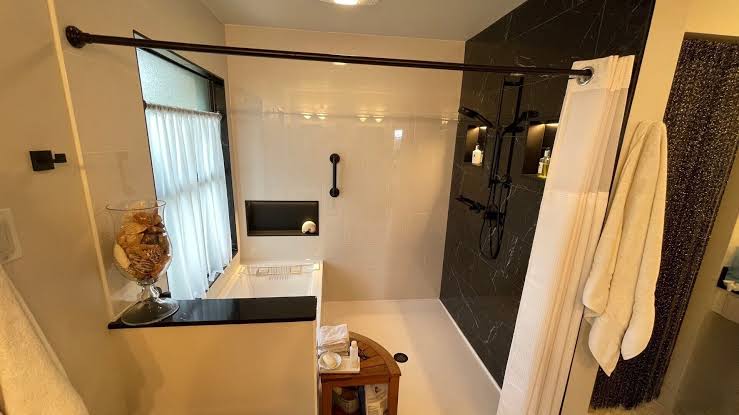
Transforming a traditional bathtub into a modern shower is a popular home improvement project for homeowners seeking greater accessibility, convenience, and style in their bathrooms. Tub-to-shower conversions can dramatically change the look and feel of a bathroom, making it more functional for daily use and potentially increasing the value of your home. Whether you are motivated by the need for safer bathing options, a desire for a more contemporary design, or simply want to make better use of your space, understanding the costs, benefits, and process involved is essential. This guide provides a comprehensive overview of what to expect when considering a tub-to-shower conversion.
What you’ll learn about tub-to-shower conversions
Understanding the Tub-to-Shower Conversion Process
A tub-to-shower conversion involves removing an existing bathtub and replacing it with a shower enclosure. This process can vary in complexity depending on the age of your home, the current plumbing configuration, and the materials you choose for your new shower. The first step typically involves a thorough assessment of your bathroom’s layout and structure to determine the feasibility of the conversion. Contractors will inspect the plumbing, subfloor, and walls to ensure they can support the new shower system. Once the old tub is removed, any necessary repairs or reinforcements are made to the underlying structure. The new shower base is then installed, followed by the enclosure, fixtures, and any custom features such as built-in seating or shelving. The entire process can take anywhere from a few days to over a week, depending on the scope of work and any unforeseen issues that may arise during demolition or installation.
Costs Associated with Tub-to-Shower Conversions
The cost of converting a tub to a shower can vary widely based on several factors, including the size of your bathroom, the type of shower system you select, and the extent of any required plumbing or structural modifications. On average, homeowners can expect to pay between $2,500 and $8,000 for a standard conversion, though high-end projects with custom tile work, luxury fixtures, or accessibility features can exceed $10,000. Labor costs are a significant portion of the total expense, as skilled tradespeople are needed to handle demolition, plumbing, waterproofing, and installation. Material choices also play a major role in determining the final price, with prefabricated shower kits generally costing less than custom tile or stone enclosures. For those seeking professional assistance, Gainesville bathroom remodel services can provide tailored solutions that fit your budget and design preferences, ensuring a smooth and efficient conversion process from start to finish.
Benefits of Replacing a Tub with a Shower
One of the primary benefits of a tub-to-shower conversion is improved accessibility, especially for individuals with mobility challenges or those planning to age in place. Showers with low or no thresholds make it easier to enter and exit safely, reducing the risk of slips and falls. Additionally, showers typically require less water than filling a bathtub, which can lead to lower utility bills and a more environmentally friendly home. The modern aesthetic of a walk-in shower can also update the look of your bathroom, making it feel more spacious and inviting. Many homeowners find that removing a bulky tub opens up the room, allowing for additional storage or design features that better suit their lifestyle. Furthermore, a well-executed conversion can increase the resale value of your home, as many buyers prefer the convenience and style of a contemporary shower over a traditional bathtub.
Timeline for a Typical Conversion
The timeline for a tub-to-shower conversion depends on the complexity of the project and the materials used. In most cases, a straightforward conversion using a prefabricated shower kit can be completed in as little as three to five days. More elaborate projects that involve custom tile work, plumbing rerouting, or structural changes may take a week or longer. Delays can occur if unexpected issues are discovered during demolition, such as water damage, mold, or outdated plumbing that needs to be replaced. Working with experienced contractors can help minimize disruptions and keep the project on schedule. Clear communication about your expectations and any specific requirements will also contribute to a smoother process and a finished product that meets your needs.
Maintenance and Cleaning Considerations
Maintaining a new shower is generally easier than caring for a bathtub, especially if you choose materials that resist mold and mildew. Glass enclosures, acrylic panels, and large-format tiles are popular choices for their durability and ease of cleaning. Regular maintenance involves wiping down surfaces to prevent soap scum buildup and checking for any signs of leaks or water damage. Proper ventilation is important to reduce humidity and keep your bathroom fresh. Investing in quality fixtures and waterproofing materials during the conversion process can help ensure your new shower remains in excellent condition for years to come. With routine care, a modern shower can provide a comfortable and hygienic bathing experience while minimizing the time and effort required for upkeep.
Accessibility Features for Showers
For homeowners seeking to enhance safety and accessibility, a tub-to-shower conversion offers the opportunity to incorporate features such as grab bars, non-slip flooring, and built-in seating. These additions can make showering safer and more comfortable for individuals with limited mobility or those recovering from injury. Handheld showerheads and adjustable fixtures provide greater flexibility and ease of use. Designing your new shower with accessibility in mind not only improves daily convenience but also future-proofs your home for changing needs. Many modern shower systems can be customized to blend seamlessly with your bathroom’s aesthetic while providing the functionality required for safe and independent bathing.
Environmental Impact of Tub-to-Shower Conversions
Converting a bathtub to a shower can have a positive impact on your household’s water consumption. Showers typically use less water than filling a bathtub, especially when equipped with low-flow showerheads. This reduction in water usage can lead to lower utility bills and a smaller environmental footprint. Additionally, many modern shower materials are designed to be durable and recyclable, further contributing to sustainability. Choosing eco-friendly fixtures and finishes during your conversion can enhance the environmental benefits of your project. By making thoughtful choices, you can create a bathroom that is both stylish and responsible, aligning with your values and long-term goals.
Quick Look: Is a Tub-to-Shower Conversion Right for You?
A tub-to-shower conversion is ideal for homeowners who prioritize accessibility, modern design, and efficient use of space. If you rarely use your bathtub or need a safer bathing option, this upgrade can significantly improve your daily routine. Consider your household’s needs, future plans, and budget to determine if this renovation aligns with your goals.
Conclusion
A tub-to-shower conversion is a practical and stylish way to update your bathroom, offering numerous benefits such as improved accessibility, easier maintenance, and potential increases in home value. Understanding the process, costs, and available options can help you make informed decisions that suit your lifestyle and budget. Whether you are motivated by safety concerns, a desire for a modern look, or the need to maximize space, this renovation can transform your bathroom into a more functional and enjoyable space. By carefully planning your project and working with experienced professionals, you can achieve a seamless transition from tub to shower and enjoy the advantages for years to come.

