

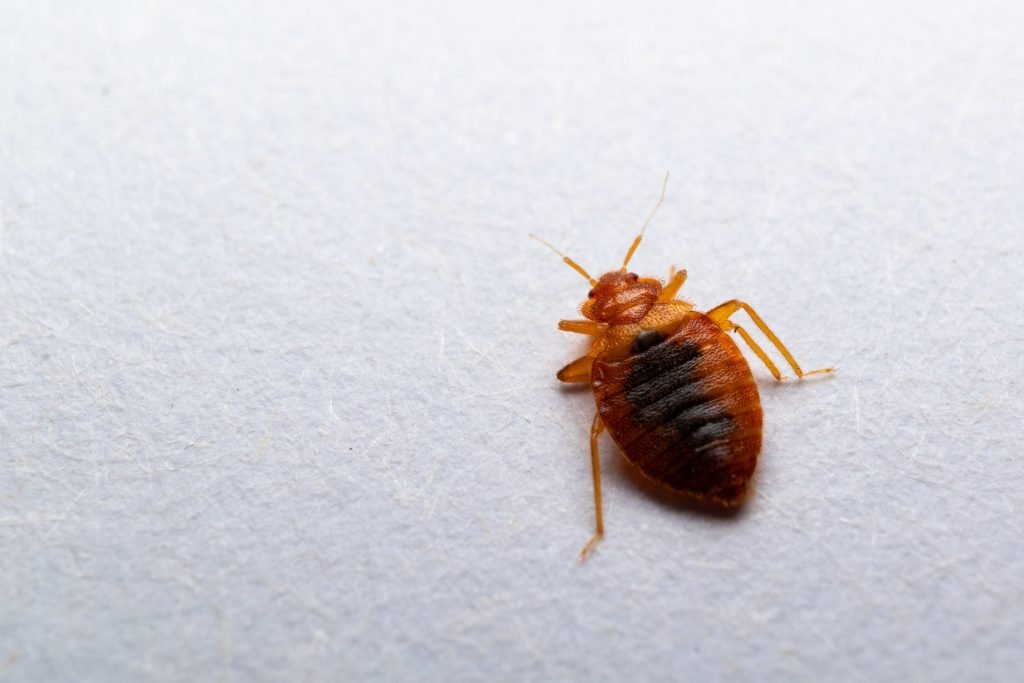
Finding bed bugs in your home can feel overwhelming, but choosing a bed bug treatment shouldn’t rely on guesswork. Every infestation develops differently, so no single solution works for every situation. While one property may benefit from heat treatment, another may require chemical applications or a combination of both. T
hat’s why a professional inspection plays such an important role. By evaluating the extent of the infestation and the conditions inside your home, pest control professionals can recommend the bed bug treatment that offers the best chance of long-term success.
Bed Bug Treatment with Heat
Heat elevates the exterminating process by raising the temperature throughout the affected area to levels they cannot survive. Instead of focusing on individual hiding places, technicians use specialized equipment to heat the entire room or structure. Powerful fans evenly circulate hot air, allowing the treatment to reach mattresses, furniture, baseboards, wall voids, and other concealed spaces where bed bugs commonly hide.
This bed bug treatment works well because it targets bed bugs across every accessible area simultaneously. Professionals carefully monitor temperatures throughout the process to ensure consistent heat distribution from start to finish.
Heat treatment often becomes the preferred option for widespread infestations or situations where bed bugs occupy multiple rooms. It also appeals to homeowners looking for a chemical-free solution. However, every infestation is unique, so professionals determine whether heat treatment is appropriate for the property’s specific conditions before recommending it.
Bed Bug Treatment with Chemical Applications
Chemical bed bug treatment relies on professional-grade insecticides applied directly to areas where bed bugs live and travel. Before treatment begins, technicians inspect the property to locate harborages and identify the most effective application points. They then treat bed frames, furniture joints, crevices and cracks, baseboards, and other areas where bed bugs hide.
Unlike whole-room heat treatment, chemical applications focus on targeted locations. Many products also provide residual protection, meaning they continue working after the initial application. The treatment remains effective on treated surfaces, helping control bed bugs that emerge after the initial application..
Chemical bed bug treatment often works well for localized infestations or as part of a broader treatment strategy. Because professionals carefully select products based on the infestation and the property, homeowners receive a customized approach rather than a one-size-fits-all solution.
Integrated Bed Bug Treatment
Sometimes, the most effective bed bug treatment combines multiple methods. Instead of choosing between heat and chemicals, pest control professionals evaluate whether both approaches can work together to improve overall results.
Combining Methods
Heat treatment addresses the infestation throughout the treatment area, while chemical applications target specific locations that benefit from residual protection. By combining both methods, professionals can address infestations from multiple angles.
Professional Planning
Every integrated bed bug treatment begins with a thorough inspection. Technicians assess the size of the infestation, identify common hiding places, and evaluate the property’s layout before selecting the most appropriate treatment plan. This careful planning ensures that every recommendation supports the property’s specific needs.
Follow-Up Inspections
Professional service does not necessarily end after the initial treatment. Follow-up inspections allow technicians to monitor activity, confirm treatment progress, and determine whether additional services are necessary. These visits also provide homeowners with practical guidance for preventing future infestations and maintaining long-term control.
Regional factors and climate conditions can also influence how quickly pests spread between nearby properties. Homeowners managing persistent issues often consult localized resources, such as specialists offering pest control in Broken Arrow, to ensure treatment strategies account for seasonal pest activity and local housing structures. Combining professional guidance with ongoing maintenance helps prevent recurring problems.
Factors That Influence Bed Bug Treatment Choice
Several factors help determine the most appropriate bed bug treatment. The size of the infestation often influences whether targeted or whole-room treatment provides better coverage. Property type also matters because apartments, single-family homes, and commercial buildings present different treatment challenges.
Finally, the budget plays an important role when comparing available options. Rather than recommending the same solution for every customer, pest control professionals balance these factors to develop a treatment plan that fits both the infestation and the homeowner’s needs.
Choosing the Right Bed Bug Treatment
Selecting the right bed bug treatment starts with understanding that every infestation is different. Heat treatment, chemical applications, and integrated strategies each offer distinct advantages when used in the right situation.
A professional inspection removes the guesswork by identifying the most effective approach for your home. With a customized treatment plan, you can move forward confidently and take meaningful steps toward eliminating bed bugs for good. Search up HeatTech Bed Bug Exterminator’s services to learn more!

