

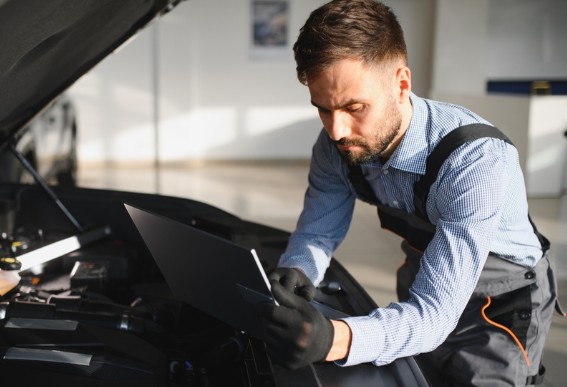
When inspecting a used car in Abu Dhabi, you need to focus on four critical areas: checking under the hood for fluid leaks and worn belts to ensure the engine can handle intense desert heat, cranking the air conditioning to maximum while testing all interior electronics, listening for unusual brake noises or steering wheel vibrations on the road, and examining the tires and undercarriage for uneven wear or heat damage.
Taking these quick, simple steps before handing over any cash keeps your hard-earned money safe and ensures you drive away in a reliable vehicle. Here we will break down every simple check you should perform, from pop-the-hood inspections to a full road test, so you can shop with total confidence.
Imagine buying a shiny new toy, only to find out it stops working five minutes later. That hurts! Buying a used car can feel the same way if you do not check it first. When you look at used cars in Abu Dhabi, you want a ride that will not break down in the desert heat. Testing a car before you pay for it is like tasting soup before you add salt. It lets you know what you are getting into.
What Should You Check Under the Hood Before Starting the Engine?
Before turning the key on any used car, always pop the hood to check for oil leaks, dirty fluids, and worn belts. A clean engine bay shows the previous owner took good care of the vehicle, while hidden rust or weird smells can mean expensive problems later on.
Start your check before the motor even turns on. Walk up to the car and look under it. Do you see puddles? That is a bad sign. It means the car is leaking important liquids.
Next, open the hood. Checking fluid levels is one of the top ways to spot a neglected vehicle. The oil should look dark brown or amber, not thick like black sludge. Look at the rubber belts, too.
If they look cracked or frayed like an old shoelace, they might snap soon. A healthy engine looks neat and does not smell like burning plastic or sweet syrup. Sweet smells mean the coolant is leaking, which is a big headache.
How Does the Car Feel When You Drive on Abu Dhabi Roads?
Taking a test drive on real roads helps you spot brake squeaks, steering shakes, and weird transmission slips. Pay close attention to how the air conditioning handles the intense desert heat and whether the ride feels smooth over speed bumps.
Once you start driving, turn off the radio. You want to listen to how the car sounds. Does it purr like a happy cat, or does it groan like a tired giant?
Drive over some bumps. A good car absorbs the shock smoothly. If the car keeps bouncing up and down like a pogo stick, the shocks are worn out. Also, check the brakes. When you press the brake pedal, the car should stop straight.
If it pulls to one side, or if you hear a loud screeching sound, the brakes need fixing right away. In a hot place like the UAE, turning on the AC is a must. Watch how fast it cools down the cabin. If it blows warm air, you might be looking at an expensive fix.
What Should You Test Inside the Cabin?
Testing all the interior buttons, seat adjusters, radio dials, and electronics ensures that every feature works properly before you drive away. Checking these small details saves you from annoying and costly fixes later on.
Do not forget to sit inside and play with everything. Click every button. Roll the windows up and down. Do the power seats move forward and back? Do the blinkers work?
Sometimes people forget these small things because they are busy looking at the engine. But fixing broken window motors or dead stereo screens costs extra money. Smell the seats, too.
A strong smell of wet dog or old smoke is very hard to get rid of. You want a clean, fresh space where you feel happy to sit every single day.
Why Is a Pre-Purchase Inspection Crucial?
A pre-purchase inspection by a trusted mechanic uncovers hidden frame damage, computer errors, and failing parts that you cannot see with your own eyes. Spending a small amount of money on a professional inspection protects you from buying a bad car.
You can spot a lot of things on your own, but you cannot see everything. Buyers who get a professional check save thousands of dollars on unexpected repairs later.
Take the car to a mechanic you trust. They put the car up on a lift and look at the bottom. They check the computer for hidden warning codes. It is like going to the doctor for a checkup before running a big race. You want to know your heart is healthy. A good mechanic gives you peace of mind.
Comparing Self-Checks and Mechanic Inspections
| Check Area | What You Can Do Yourself | What a Mechanic Checks |
| Engine | Look for oil leaks and dirty belts | Test compression and internal wear |
| Brakes | Feel for shaking and listen for noise | Measure brake pad thickness and rotor health |
| Computer | Look at the dashboard lights | Scan the car computer for hidden error codes |
| Body | Look for scratches and mismatched paint | Check the frame for past crash damage |
Actionable Steps for Your Next Test Drive
- Take the car out during the hottest part of the day to test the air conditioning.
- Drive on both smooth highways and bumpy side streets.
- Test every button, window, and door lock.
- Ask the seller for a complete service history paper trail.
- Schedule a professional mechanic check before you sign any final papers.
Buying a car is a big step, but you do not have to guess if a vehicle is good. Take your time, check the details, and trust your gut. When you do your homework, you will find a reliable ride that gets you where you need to go safely.

