

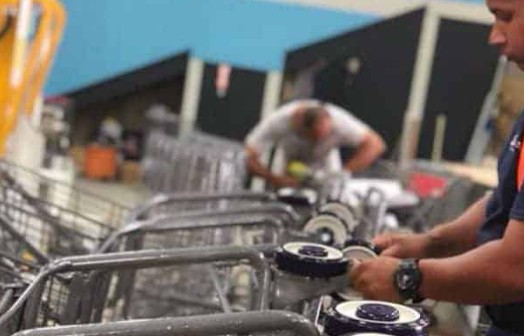
Shopping carts are used hundreds of times every week in grocery stores, supermarkets, home improvement centers, and other retail environments. Constant movement, heavy loads, outdoor exposure, and repeated impacts can eventually wear down wheels, handles, frames, and other components. When minor problems are ignored, retailers may end up replacing entire carts instead of repairing inexpensive components.
Using the right shopping cart repair parts can help retailers extend the usable life of their cart fleet, improve customer safety, and lower long-term maintenance expenses. A strategic repair program focuses on replacing high-wear components before they create larger problems.
Why Shopping Cart Maintenance Matters
A shopping cart may appear simple, but several components work together every time a customer pushes it through a store or parking lot. Wheels rotate thousands of times, bearings carry significant weight, and frames absorb impacts from curbs, cart corrals, shelving, and other carts.
Small defects can gradually become expensive repairs.
For example, a damaged wheel may initially cause only minor vibration. If it continues to be used, the wheel assembly can place additional pressure on the caster, mounting plate, or cart frame. Replacing a relatively inexpensive wheel early may prevent the need for several additional replacement components later.
Maintaining a supply of commonly used shopping cart repair parts allows maintenance teams to address these problems quickly instead of removing carts from service for long periods.
Replacement Wheels Can Prevent Larger Repairs
Inspect Wheels Before They Completely Fail
Shopping cart wheels are among the most frequently replaced components because they constantly contact concrete, tile, asphalt, and other surfaces.
Common warning signs include:
- Flat spots on the wheel
- Excessive vibration
- Cracked rubber or polyurethane
- Uneven wheel wear
- Loud rolling noises
- Wheels that stop rotating properly
Replacing a worn wheel early helps protect surrounding components.
For stores with 100, 300, or even 500 carts, preventive wheel replacement can also improve overall fleet reliability. If inspections are completed quarterly, maintenance employees can identify problem wheels before customers report them.
Higher-quality replacement wheels may cost slightly more initially, but longer service life can reduce how frequently labor is required for the same repair.
Casters Help Keep Carts Easy to Control
Casters allow shopping carts to turn smoothly through aisles and around displays. When casters become bent, corroded, or damaged, customers may notice carts pulling toward one side.
A malfunctioning caster can also increase wear on other wheels because the cart is no longer moving evenly.
Quality replacement casters are valuable shopping cart repair parts because they can restore maneuverability without replacing the entire shopping cart.
During inspections, technicians should check caster mounting hardware, swivels, bearings, and attachment points. Loose mounting bolts should also be corrected before repeated movement damages the mounting area.
Bearings Reduce Friction and Wheel Wear
Wheel bearings are small components that can have a significant impact on shopping cart performance.
When bearings are damaged or contaminated with dirt, water, or debris, wheels may become harder to rotate. Customers then need to apply more force when pushing the cart.
Damaged bearings may also accelerate wheel wear.
Replacing bearings when necessary can be considerably less expensive than allowing friction to damage the entire wheel assembly. Stores operating in rainy or humid environments may need to inspect these components more frequently because shopping carts are regularly exposed to moisture in parking lots.
Handles and Handle Components Improve Cart Life
Shopping cart handles experience constant contact throughout the day. Handles may loosen, crack, fade, or become damaged after years of use.
Instead of retiring an otherwise functional cart, retailers can install replacement handles, end caps, grips, or related hardware.
Replacing damaged handles provides several benefits. It improves the cart’s appearance, makes the cart more comfortable to use, and eliminates sharp or broken surfaces that could become safety concerns.
Adding these relatively inexpensive items to a store’s inventory of shopping cart repair parts can make minor repairs faster.
Child Seat Belts and Safety Components Should Be Prioritized
Shopping carts equipped with child seating areas require additional safety inspections. Seat belts, buckles, plastic seats, and related hardware can become damaged through repeated use.
A broken safety belt should never be treated as a cosmetic problem.
Replacing damaged safety components promptly helps retailers keep carts functional while supporting a safer shopping environment. Maintenance teams can include these components in monthly or quarterly cart inspections.
For larger retail fleets, keeping replacement belts and fasteners in stock can prevent multiple carts from remaining out of service while waiting for parts.
Hardware Can Solve Small Problems Before They Become Expensive
Bolts, nuts, washers, fasteners, and mounting hardware are some of the least expensive shopping cart components, yet they are easy to overlook.
Regular vibration may gradually loosen hardware. Once a connection becomes unstable, surrounding metal components can experience unnecessary movement or stress.
During routine maintenance, technicians should inspect high-stress areas and replace missing, damaged, or heavily corroded hardware.
Spending a few dollars on replacement fasteners can potentially prevent damage that requires substantially more labor and material later.
Create a Preventive Repair Schedule
The biggest savings usually come from combining quality shopping cart repair parts with consistent inspections.
Retailers can establish a simple maintenance schedule that includes monthly visual inspections and more detailed quarterly evaluations. High-volume stores may inspect carts even more frequently.
Maintenance records can track common failures and help purchasing teams determine which parts should remain in inventory.
For example, if a store replaces 40 wheels but only three handles during a six-month period, carrying a larger inventory of wheels makes more financial sense.
This type of maintenance data can improve budgeting while reducing cart downtime.
Choose Shopping Cart Repair Parts Based on Long-Term Value
Selecting replacement components solely because they have the lowest purchase price may not always reduce maintenance costs. Durability, compatibility, installation time, and expected service life should also be considered.
A component that lasts 30% longer may provide better overall value even if its initial price is higher.
Retailers should also verify that replacement parts match the specific cart manufacturer, model, wheel dimensions, mounting system, and weight requirements.
Reduce Costs by Repairing Carts Before Replacing Them
Replacing an entire shopping cart can be unnecessary when most of its structure is still functional. Wheels, casters, bearings, handles, safety belts, and mounting hardware can often be repaired individually.
Keeping the right shopping cart repair parts available allows retail maintenance teams to address wear early, extend equipment life, and keep more carts available for customers.
A consistent preventive maintenance strategy turns small repairs into predictable operating expenses rather than unexpected replacement costs. Over hundreds of carts and several years of operation, those small savings can add up to a significant reduction in total cart maintenance expenses.

