

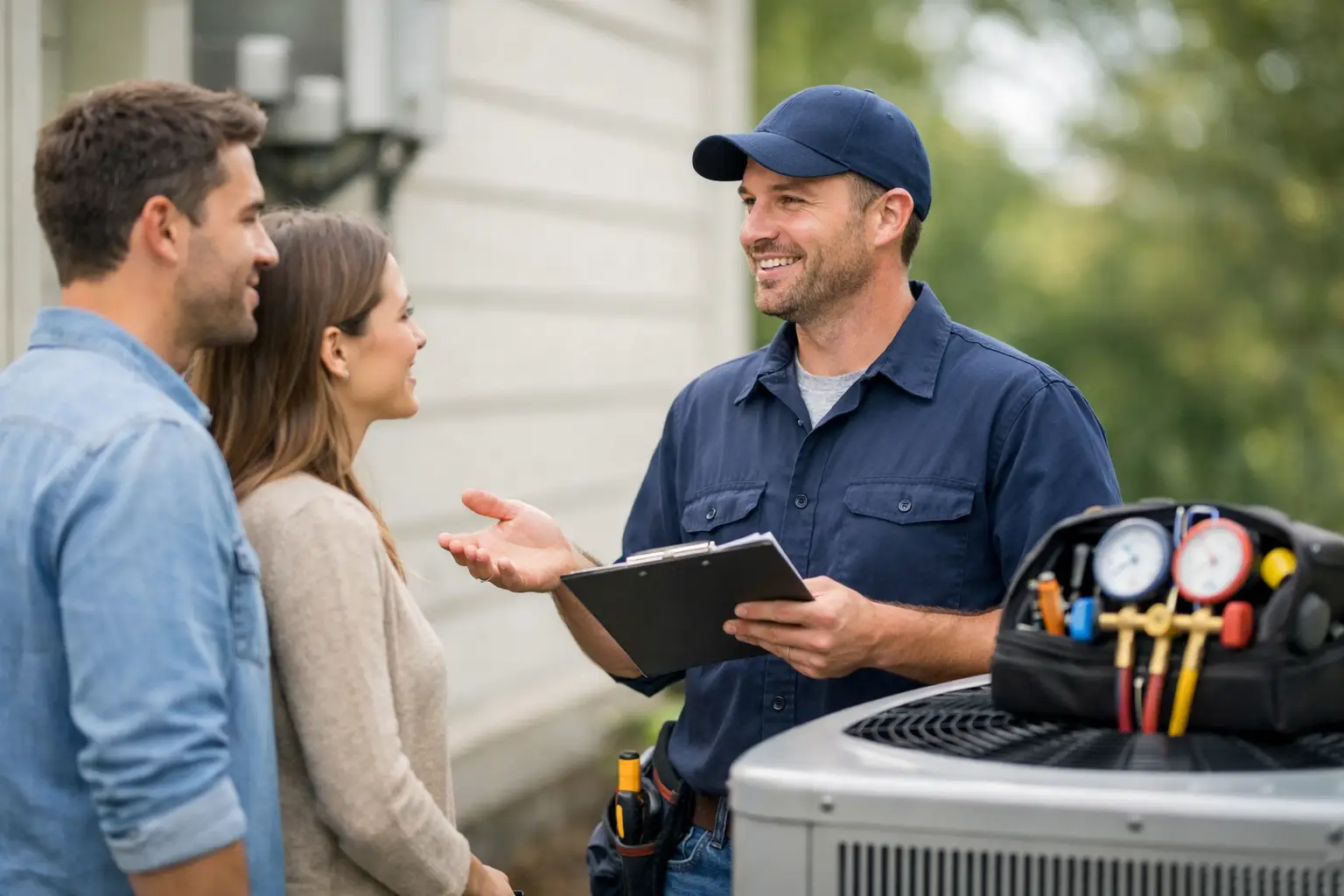
Heating, ventilation, and air conditioning systems play an essential role in maintaining comfortable indoor environments throughout the year. Whether a property needs cooling during hot weather, heating during colder months, better ventilation, or improved indoor air quality, a properly designed and maintained HVAC system can make a significant difference. Because these systems involve electrical components, mechanical equipment, airflow, ductwork, controls, and specialized technology, professional knowledge is often necessary to keep them operating safely and effectively. Working with an experienced HVAC contractor can help property owners manage installation, maintenance, repairs, replacements, and system improvements with greater confidence.HVAC equipment is a major investment, and choosing the right service provider can influence how well the system performs over time. A qualified professional can assess the property’s requirements, explain available options, identify potential problems, and recommend solutions based on the specific equipment and building. Rather than focusing only on the immediate repair or installation, a good contractor considers the complete system and how its different components work together.
Understanding the Role of an HVAC Professional
An HVAC professional can provide a wide range of services depending on the needs of a property. These services may include installing new heating and cooling equipment, repairing malfunctioning systems, performing preventive maintenance, evaluating indoor air quality, inspecting ductwork, replacing outdated components, and helping property owners select suitable equipment.HVAC systems are not one-size-fits-all. A system that works effectively in one building may be unsuitable for another because of differences in size, insulation, layout, occupancy, windows, ventilation requirements, and other factors. Professional assessment is therefore important when selecting or modifying equipment.A knowledgeable HVAC contractor can evaluate these factors and help determine what type of system may be appropriate. This can be especially valuable when replacing an older unit because simply selecting a new system based on the size of the existing equipment may not always produce the best result.
When You May Need Professional HVAC Services
Some HVAC problems are easy to recognize. A system may stop producing warm or cool air, make unusual noises, leak water, cycle repeatedly, or fail to maintain the desired indoor temperature. Other problems develop gradually and may be less obvious.Uneven temperatures between rooms, weak airflow, unusual odors, rising energy consumption, and longer operating cycles can all indicate that an HVAC system should be evaluated. These symptoms can have several possible causes, including airflow restrictions, thermostat problems, dirty components, ductwork issues, refrigerant-related conditions, electrical faults, or aging equipment.Professional diagnosis can help identify the actual cause rather than treating only the visible symptom. Replacing a component without understanding why it failed may not resolve the underlying issue.
Choosing the Right HVAC System
When installing or replacing equipment, homeowners and property managers have many options. Systems can differ in capacity, design, efficiency, controls, fuel source, and installation requirements.The appropriate system depends on the building and its specific needs. A unit that is too small may struggle to maintain comfortable temperatures, while an oversized system may cycle too frequently and provide less consistent humidity control in some conditions.Professional load calculations and building assessments can help determine appropriate equipment capacity. Other factors, including ductwork, insulation, windows, occupancy, and building orientation, may also influence the final selection.An HVAC contractor can explain the differences between available systems and help property owners understand the practical implications of various equipment choices.
The Importance of Proper Installation
Even a high-quality HVAC system can perform poorly if it is installed incorrectly. Installation involves much more than placing equipment in position and connecting a few components. Refrigerant lines, electrical connections, ductwork, drainage, controls, airflow, and other elements must be installed correctly.Improper installation can contribute to reduced efficiency, uneven temperatures, excessive noise, premature component wear, and other performance issues. It may also create safety concerns depending on the type of equipment involved.A professional installation should include appropriate system testing and commissioning to confirm that the equipment operates correctly. The installer should also explain basic operation and maintenance requirements to the property owner.
HVAC Maintenance and Preventive Care
Regular maintenance can help keep heating and cooling equipment operating under suitable conditions. HVAC systems contain components that collect dust, experience mechanical wear, and require periodic inspection.Filters should be checked and replaced or cleaned according to the manufacturer’s recommendations and the conditions of the property. Coils may require cleaning, electrical connections may need inspection, and moving components may require appropriate attention.Condensate drainage should also be monitored because blocked drains can cause water accumulation and potential damage. Outdoor equipment should remain reasonably clear of debris so that airflow is not unnecessarily restricted.Routine professional maintenance can identify developing problems before they cause major disruptions. The appropriate maintenance schedule depends on equipment type, usage, age, and manufacturer recommendations.
Improving Indoor Air Quality
HVAC systems influence indoor air quality because they circulate air throughout occupied spaces. Dust, airborne particles, humidity, and ventilation conditions can all affect the indoor environment.Air filters can capture certain airborne particles, although their effectiveness depends on the filter type and system design. Higher filtration is not automatically appropriate for every system because overly restrictive filters may affect airflow.Ventilation also plays an important role in indoor air quality. A building that does not receive sufficient fresh air may experience issues related to stale air, odors, or elevated indoor pollutants.An experienced professional can evaluate filtration, ventilation, humidity, and airflow conditions and explain which improvements may be appropriate for the building.
Ductwork and Air Distribution
Ductwork provides the pathway through which conditioned air travels to different rooms. Problems within the duct system can affect comfort even when the central HVAC equipment is functioning properly.Leaks can allow conditioned air to escape before reaching the intended spaces. Poor insulation can affect temperature as air travels through certain areas, while restrictions can reduce airflow.Rooms that consistently feel warmer or cooler than others may have airflow or distribution issues rather than a problem with the main equipment. A professional evaluation can help determine whether ductwork, registers, dampers, insulation, or other components require attention.During installation or major renovation, duct design should be considered carefully. Poorly planned ductwork can create long-term comfort and efficiency problems that may be difficult to correct later.
Thermostats and Smart Controls
Thermostats have evolved significantly, and modern systems may use programmable or smart controls that provide more flexibility than traditional thermostats. These controls can allow users to establish schedules, monitor temperatures, and adjust settings according to occupancy.However, advanced controls need to be compatible with the HVAC equipment. A thermostat that is not properly matched or configured may fail to provide the expected functionality.Professional installation can help ensure that controls communicate correctly with the system. Property owners should also understand how the settings affect operation rather than assuming that lower or higher temperature settings will always produce faster results.
Repairing Versus Replacing an HVAC System
One of the most difficult decisions for a property owner is determining whether an aging HVAC system should be repaired or replaced. There is no single answer that applies to every situation.The age and condition of the equipment, frequency of repairs, availability of replacement parts, operating costs, and expected remaining service life can all influence the decision. A relatively minor repair may make sense for a system that is otherwise in good condition, while repeated failures may make replacement worth considering.A professional can evaluate the equipment and explain the available options. Property owners should ask for a clear description of the problem and understand what the proposed repair is expected to accomplish.When replacement is recommended, it is useful to compare the long-term implications rather than focusing only on the initial purchase price.
Energy Efficiency and HVAC Performance
Energy consumption is an important consideration for many property owners. Heating and cooling can account for a significant portion of building energy use, so system condition and operation can affect ongoing costs.Efficiency depends on more than the equipment’s rated performance. Installation quality, maintenance, thermostat settings, ductwork, insulation, building envelope, and operating habits all influence actual energy use.An efficient system installed in a poorly insulated building may still require substantial energy to maintain indoor temperatures. Similarly, an appropriately sized system may not perform efficiently if airflow is restricted or maintenance is neglected.A professional HVAC assessment can help identify areas where improvements may be possible.
Handling Emergency HVAC Problems
Some HVAC failures require prompt attention, particularly when extreme temperatures create uncomfortable or potentially unsafe indoor conditions. Loss of heating or cooling can also affect businesses, equipment, and other property operations.Emergency services should focus first on identifying the cause of the failure and restoring safe operation where possible. In some situations, a temporary repair may restore functionality while a more extensive solution is planned.Property owners should avoid attempting complicated repairs without appropriate training. Electrical components, refrigerants, gas-fired equipment, and mechanical systems can present significant hazards when handled improperly.
Safety Considerations for HVAC Work
HVAC systems can involve electricity, combustion, pressurized refrigerants, moving components, and other hazards. Professional training is therefore important when installing, diagnosing, or repairing equipment.Gas-fired heating systems require particular attention because improper installation or combustion problems can create serious safety risks. Venting systems also need to be appropriately designed and maintained.Electrical work should be performed by qualified personnel using appropriate procedures. Refrigerant-related service should likewise be handled by professionals with the necessary training and equipment.Safety should always take priority over attempting to save money through unqualified repairs.
Preparing for an HVAC Service Appointment
Property owners can make a service visit more productive by documenting problems before the technician arrives. Note when the issue occurs, which rooms are affected, whether unusual sounds or odors are present, and whether the problem changes with different thermostat settings.Make sure the equipment is reasonably accessible. If the indoor unit is located in a storage area, remove objects that prevent safe access.It can also be useful to gather information about previous repairs and maintenance. Equipment model numbers and installation records may help the technician understand the system more quickly.Clear communication about the problem can save time and help the professional focus on the most relevant areas.
Questions to Ask an HVAC Contractor
Before hiring an HVAC contractor, property owners should understand the scope of the proposed work. Ask what services are included, which equipment or components will be used, and whether labor and follow-up service are covered.For a replacement project, ask about equipment capacity, efficiency characteristics, warranty terms, installation requirements, and expected maintenance. For repair work, ask what caused the problem and whether other related components should be evaluated.It is also reasonable to ask whether the professional is appropriately qualified and experienced for the type of work being performed. Clear answers can make it easier to compare service providers based on relevant factors rather than price alone.
The Value of Long-Term HVAC Planning
HVAC systems should be considered part of the property’s long-term infrastructure. Waiting until equipment fails completely can sometimes result in rushed decisions and limited options.Planning ahead allows property owners to monitor the condition of aging equipment and consider replacement options before an emergency occurs. It also provides an opportunity to improve insulation, ductwork, controls, or other components at the same time.A long-term maintenance plan can help organize inspections, filter replacement, seasonal service, and necessary repairs. This approach can make HVAC care more predictable and reduce the likelihood of overlooking routine tasks.
Final Thoughts
Heating and cooling systems have a major influence on indoor comfort, air quality, energy use, and everyday convenience. Keeping these systems in good condition requires more than occasional repairs. Proper installation, routine maintenance, accurate diagnosis, appropriate repairs, and thoughtful replacement decisions all contribute to dependable performance.An experienced HVAC contractor can help property owners navigate these different aspects of heating and cooling system management. From selecting suitable equipment to diagnosing problems and improving airflow, professional guidance can help ensure that decisions are based on the specific requirements of the property.Homeowners can also support system performance by replacing filters as recommended, keeping outdoor equipment clear, monitoring unusual changes in performance, and arranging professional service when problems appear. Simple preventive steps can help identify issues before they become more disruptive.Whether a property needs a new installation, routine maintenance, emergency repair, or system replacement, choosing a qualified professional is an important part of the process. A reliable HVAC system is the result of appropriate equipment, correct installation, regular care, and responsible operation.Ultimately, professional HVAC service is an investment in comfort, reliability, and long-term system performance. By taking a proactive approach and addressing problems before they become major failures, property owners can maintain a more comfortable indoor environment while making better-informed decisions about one of the most important mechanical systems in the building.

