

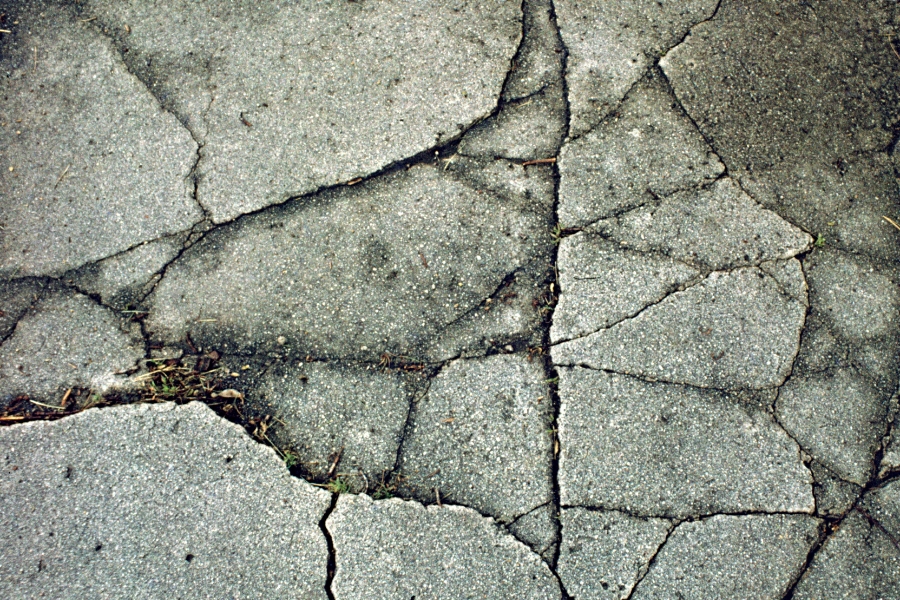
Concrete is one of the most widely used construction materials because of its strength, versatility, and ability to withstand demanding conditions. It can be found in foundations, driveways, sidewalks, patios, floors, walls, steps, retaining structures, and many other parts of residential and commercial properties. Although concrete is durable, it is not completely immune to damage. Over time, exposure to moisture, temperature changes, heavy loads, chemical substances, poor drainage, improper installation, and normal aging can cause cracks, surface deterioration, spalling, discoloration, and other problems. Understanding why concrete deteriorates and how damaged areas can be restored is important for maintaining both the appearance and structural performance of a property.Concrete damage can range from minor cosmetic imperfections to serious deterioration that requires immediate professional attention. A small surface crack may not initially appear significant, but if moisture enters the opening and repeatedly expands and contracts due to environmental conditions, the crack may become wider and deeper. Similarly, small areas of surface wear can gradually expose underlying materials and accelerate deterioration. Early assessment allows property owners to determine whether a problem is primarily aesthetic or whether it may indicate a deeper issue requiring more comprehensive attention.
Understanding Why Concrete Deteriorates
Concrete is made from a combination of cementitious material, aggregates, water, and sometimes additional additives designed to improve specific properties. When properly mixed, placed, compacted, and cured, it can provide excellent durability. However, the finished material is still affected by its surrounding environment and the conditions under which it was originally installed.One of the most common causes of deterioration is moisture. Water can enter concrete through cracks, pores, joints, and other openings. Repeated exposure to moisture can contribute to surface deterioration and can also affect reinforcing materials within certain structures. When moisture reaches reinforcement and contributes to corrosion, the resulting expansion can place pressure on the surrounding concrete and cause cracking or spalling.Temperature fluctuations can also affect concrete. Materials naturally expand and contract as temperatures change. Repeated cycles can place stress on concrete, particularly when existing cracks or weak points are present. In colder environments, water that enters cracks may freeze and expand, placing additional pressure on the surrounding material.Heavy traffic and excessive loading can contribute to damage as well. Concrete surfaces designed for normal residential use may deteriorate when subjected to loads beyond their original design expectations. Poor drainage can make these problems worse by allowing water to remain around or beneath the concrete for extended periods.
Common Signs of Concrete Damage
Recognizing the early signs of deterioration can help prevent minor problems from becoming more complicated. Cracks are among the most obvious indicators, but not every crack has the same meaning. Thin surface cracks may result from normal shrinkage, while wider or progressively expanding cracks can indicate movement, settlement, or other concerns.
Spalling is another common problem. This occurs when sections of the concrete surface break away, leaving rough, exposed areas. Spalling may be caused by moisture, reinforcement corrosion, freeze-thaw exposure, impact, poor-quality materials, or inadequate installation practices.Scaling occurs when the surface layer begins to flake or peel away. This can create an uneven texture and may expose the underlying concrete to additional environmental exposure. In some cases, scaling is associated with improper finishing, curing, or environmental conditions.Discoloration can also indicate changes in the concrete surface. Although color differences are not always signs of structural damage, unusual staining or persistent dark areas may indicate moisture or chemical exposure. Property owners should consider visible changes alongside other symptoms rather than evaluating each sign in isolation.Uneven slabs are another concern. If a sidewalk, driveway, patio, or floor has shifted or settled, the cause may involve soil movement, drainage problems, erosion, or other underlying conditions. Simply resurfacing an uneven surface may not address the reason for the movement.
The Importance of Early Assessment
One of the most valuable steps in maintaining concrete is identifying damage early. A professional assessment can help determine the severity and likely cause of the problem. This distinction is important because the appropriate solution depends heavily on what caused the deterioration in the first place.For example, filling a crack may improve its appearance, but if the crack continues to move because of underlying settlement, the repair may not remain effective. Similarly, repairing a surface that continues to receive excessive moisture without addressing drainage may only provide a temporary improvement.An assessment can consider the size, location, pattern, and progression of cracks as well as the condition of surrounding areas. Professionals may also examine joints, drainage, reinforcement exposure, surface strength, and other factors that could influence the repair strategy.Early evaluation is particularly important when damage appears on structural elements such as foundations, retaining walls, load-bearing components, or elevated structures. These situations may require specialized expertise to determine whether the problem affects structural integrity.
Different Approaches to Repair
The appropriate method depends on the type and severity of damage. Minor cracks may sometimes be treated using suitable crack-filling or sealing materials designed for the specific application. These products can help reduce water penetration and improve the appearance of the surface when used correctly.Larger cracks may require more involved preparation. The damaged area may need to be cleaned, opened to an appropriate profile, and filled with a compatible repair material. The surrounding concrete should be stable enough to support the repair; otherwise, simply filling the opening may not provide a lasting result.Surface deterioration may be addressed through patching, resurfacing, or other restoration techniques. Patching involves removing loose or damaged material and replacing it with a compatible repair compound. Resurfacing applies a new layer over an existing surface to improve its appearance and performance when the underlying concrete remains sufficiently sound.More extensive deterioration may require partial removal and replacement. If a section has lost significant strength or has deteriorated beyond practical repair, removing the damaged material and rebuilding the affected area may be more appropriate than repeatedly applying surface treatments.
Preparing the Surface Properly
Surface preparation is one of the most important factors in successful repair work. A repair material cannot perform properly if it is applied over loose, contaminated, or unstable concrete. Dirt, oil, dust, damaged material, and other contaminants may need to be removed before the repair begins.Loose sections should generally be removed until a stable substrate is reached. The edges of damaged areas may also need to be shaped appropriately so that the new material can bond effectively with the existing surface.Moisture conditions are another consideration. Some repair materials require a dry surface, while others are designed to work under different moisture conditions. Following the manufacturer’s application requirements is essential because incorrect surface conditions can reduce adhesion and durability.Proper preparation may take longer than the visible repair itself, but it has a major influence on the final result. A quick application over a poorly prepared surface may look acceptable initially but can fail prematurely.
Repairing Cracks Effectively
Crack repair requires attention to both the opening and its underlying cause. Static cracks that remain stable may be suitable for filling or sealing, depending on their size and location. Moving cracks may require flexible materials or a different repair strategy because rigid materials can fail when the crack continues to change.Joint design is also important. Concrete naturally experiences movement, and properly designed joints provide controlled locations where that movement can occur. If joints are damaged, poorly maintained, or incorrectly sealed, surrounding areas may develop additional problems.Water management should be considered whenever cracks are associated with moisture. Sealing a crack can reduce water entry, but drainage problems around the concrete should also be addressed when they contribute to the deterioration.A repaired crack should be monitored over time when there is uncertainty about whether movement will continue. Continued changes may indicate that further investigation is needed.
Restoring Damaged Surfaces
Surface restoration can improve both the appearance and functionality of worn concrete. Depending on the condition of the surface, options may include patching, resurfacing, grinding, polishing, or applying specialized protective coatings.Resurfacing can be useful when the existing material remains structurally sound but has widespread surface imperfections. A new surface layer can improve texture, color, and uniformity while extending the useful life of the existing installation.However, resurfacing is not suitable for every situation. If the underlying concrete is unstable, extensively cracked, severely deteriorated, or affected by significant movement, covering the surface may only conceal the problem temporarily. The underlying condition should therefore be evaluated before selecting a restoration method.Decorative finishes can also be incorporated into some restoration projects. Depending on the application, homeowners may choose different textures, colors, patterns, or surface treatments. This allows restoration work to address aesthetic goals as well as functional requirements.
Addressing Drainage and Moisture Problems
Water is one of the most common contributors to concrete deterioration, making drainage an important part of long-term maintenance. If water consistently collects around a slab, foundation, walkway, or other concrete element, repairs may fail repeatedly unless the source of the moisture is addressed.Drainage improvements can involve adjusting surface slopes, improving channels, redirecting runoff, repairing drainage components, or modifying surrounding landscaping. The appropriate solution depends on the property’s design and the source of the water.Downspouts and other water-discharge systems should also be positioned so that water does not accumulate directly against vulnerable concrete areas. Soil erosion around slabs can contribute to settlement and void formation, so maintaining proper drainage can protect both the concrete and the supporting ground.Addressing moisture does not necessarily mean eliminating all water exposure. Concrete is designed to tolerate normal environmental conditions, but prolonged saturation, poor drainage, and repeated water infiltration can increase the risk of deterioration.
The Role of Quality Materials
The materials used during restoration should be appropriate for the existing concrete and the specific repair conditions. Repair compounds differ in strength, flexibility, curing characteristics, bonding properties, and environmental resistance.Selecting a product solely because it is inexpensive may not provide the best long-term value. A repair material should be compatible with the application and capable of handling the expected loads and environmental exposure.Mixing and application procedures also matter. Some materials require precise proportions, specific temperatures, or controlled curing conditions. Deviating from the manufacturer’s recommendations can affect strength and durability.For larger or technically demanding projects, professional contractors can help determine which materials are appropriate and how they should be applied. Their experience can be particularly useful when existing concrete has multiple types of damage.
Preventing Future Concrete Problems
Preventive maintenance can significantly extend the service life of concrete. Regular inspections make it easier to identify cracks, drainage problems, surface deterioration, and other issues before they become extensive.Keeping joints properly maintained is another useful preventive measure. Damaged joint sealants can allow water to enter areas where it may contribute to deterioration. Replacing deteriorated sealant at the appropriate time can help protect vulnerable joints.Property owners should also avoid placing loads on concrete that exceed its intended purpose. Heavy equipment, vehicles, or storage loads may cause problems when the original slab was not designed to support them.Proper cleaning can also help. Certain chemicals, deicing substances, oils, and other contaminants may affect concrete surfaces over time. Where such exposure is unavoidable, appropriate protective measures and regular maintenance can help reduce deterioration.
When Professional Assistance Is Necessary
Some concrete problems can be addressed with relatively simple maintenance, but professional assistance is advisable when damage is extensive, rapidly progressing, or associated with structural elements. Large cracks, significant settlement, exposed reinforcement, extensive spalling, or recurring deterioration may require specialized evaluation.Professional contractors can assess the condition of the concrete and recommend an appropriate strategy based on the underlying cause. They may also have access to specialized equipment and repair materials that are not practical for basic DIY work.Working with experienced professionals can also help prevent incorrect repairs. Applying a surface patch to a problem caused by settlement, for example, may produce only temporary results. Proper diagnosis is therefore just as important as the physical repair.Documentation can be useful as well. Keeping records of inspections, repairs, materials, and maintenance can help property owners monitor changes over time and make more informed decisions about future work.
Long-Term Benefits of Proper Restoration
Effective concrete repair can provide more than a short-term improvement in appearance. When the underlying cause is correctly identified and addressed, restoration can help extend the useful life of a concrete surface and reduce the need for repeated intervention.
Maintaining concrete can also contribute to property safety. Cracked, uneven, or deteriorated surfaces may create trip hazards or other risks, particularly on walkways, steps, driveways, and high-traffic areas. Correcting these problems can make the environment safer and more functional.A well-maintained concrete surface can also contribute to the overall appearance of a property. Clean, stable, properly finished surfaces create a more cared-for appearance and can complement surrounding architectural and landscaping elements.Long-term maintenance is generally more effective when it is proactive rather than reactive. Waiting until damage becomes severe can limit repair options and increase costs, while addressing smaller issues at an appropriate stage can preserve more of the original material.
Conclusion
Concrete is a durable and versatile construction material, but even well-installed surfaces can eventually develop cracks, spalling, scaling, settlement, discoloration, and other forms of deterioration. Moisture, temperature changes, heavy loads, poor drainage, corrosion, environmental exposure, and installation issues can all contribute to these problems.
The most effective approach begins with understanding the type and cause of the damage. A small surface crack requires a different solution from extensive structural deterioration, and simply covering visible defects may not resolve the underlying problem. Proper assessment, surface preparation, suitable materials, and appropriate repair methods are essential for achieving lasting results.Professional concrete repair can restore damaged surfaces, improve safety, and help extend the useful life of existing construction. However, successful restoration depends on more than applying a repair product. The source of the deterioration must be considered, surrounding conditions should be evaluated, and the repaired area should receive appropriate maintenance afterward.Preventive care remains one of the best ways to protect concrete over time. Monitoring cracks, maintaining drainage, protecting joints, addressing moisture problems, and responding to early signs of deterioration can help prevent minor defects from developing into major failures. With proper attention and timely restoration, concrete can continue to provide strength, functionality, and visual appeal for many years. Ultimately, concrete repair is most effective when it forms part of a broader maintenance strategy focused not only on fixing visible damage but also on protecting the material against the conditions that caused the problem in the first place.

