

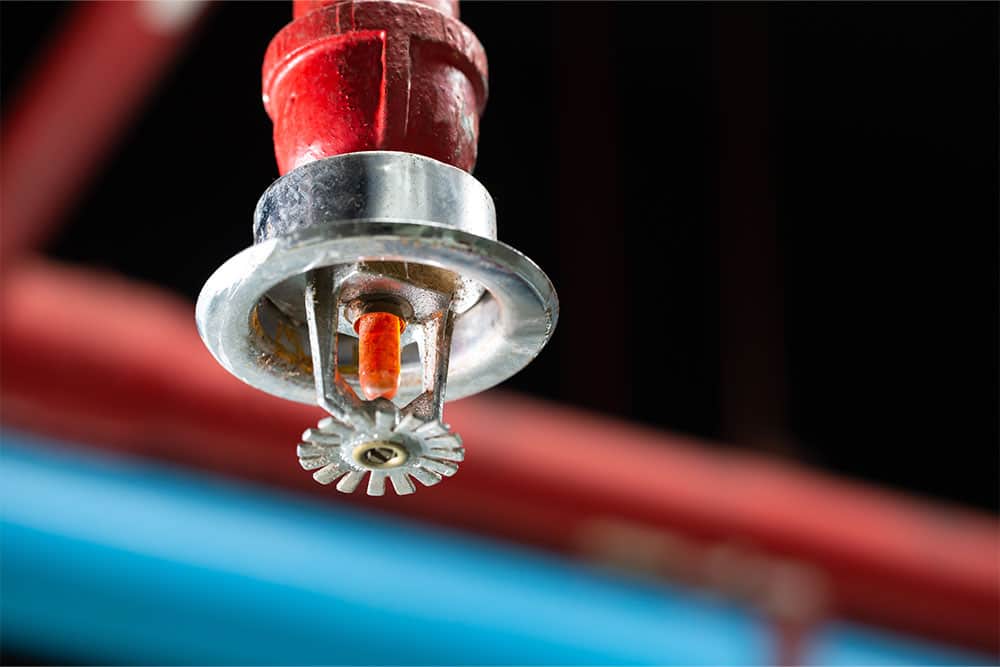
A fire sprinkler system is one of the most important safety features in many residential, commercial, and industrial properties. These systems are designed to respond when a fire develops, helping control flames and reduce the risk of serious damage before emergency responders arrive. However, having sprinklers installed does not automatically guarantee that they will operate correctly when needed. Like other safety equipment, sprinkler systems require ongoing attention, maintenance, and professional evaluation to remain dependable. Regular sprinkler system inspection is an important part of ensuring that the system remains ready to perform its intended function.Over time, sprinkler components can become damaged, obstructed, corroded, or affected by changes to the building. Valves can be accidentally closed, pipes can develop problems, sprinkler heads can become blocked, and water supplies can be affected by modifications to plumbing or other systems. Some problems may not be obvious during everyday activities, which is why routine inspections are valuable. A professional inspection can identify conditions that might otherwise remain unnoticed until an emergency occurs.
Understanding the Purpose of a Sprinkler System
Fire sprinkler systems are designed to detect and control fires at an early stage. Unlike common misconceptions, sprinklers generally do not all activate simultaneously simply because one sprinkler head detects heat. Individual sprinkler heads typically respond when their operating temperature is reached, allowing the system to discharge water where it is needed.The effectiveness of a sprinkler system depends on several components working together. Water must be available in sufficient quantity and pressure, control valves must be positioned correctly, pipes must remain unobstructed, sprinkler heads must be in suitable condition, and alarm or monitoring components must function properly where applicable.A system can therefore appear perfectly normal while still having a hidden problem. For example, a valve that has been inadvertently closed may prevent water from reaching part of the system. Similarly, an obstruction near a sprinkler head may interfere with the intended water distribution. Regular professional attention helps identify these issues before they become serious concerns.
Why Regular Inspections Are Important
Routine inspections provide an opportunity to examine the condition and operational readiness of a sprinkler system. The objective is not simply to confirm that sprinkler heads are present but to evaluate whether important components remain accessible, properly positioned, and capable of performing their intended functions.Buildings change over time. Rooms may be renovated, ceilings may be modified, storage arrangements may change, and new equipment may be installed. These alterations can unintentionally affect sprinkler coverage. A storage rack, partition, light fixture, suspended ceiling, or other obstruction may interfere with the area that a sprinkler was originally designed to protect.Regular inspections can help identify these changes and determine whether further evaluation or adjustment is necessary. They also provide an opportunity to document system conditions and address developing problems before they become more difficult or expensive to correct.
Inspecting Sprinkler Heads
Sprinkler heads are among the most visible components of a fire protection system, but their condition should not be overlooked. They need to remain unobstructed and free from physical damage, excessive corrosion, paint, dirt, or other substances that could affect their operation.Sprinkler heads should not be used as convenient points for hanging decorations, signs, equipment, or other objects. Even seemingly minor obstructions can potentially interfere with the intended distribution of water.Painted sprinkler heads are another concern because coatings can interfere with components designed to respond to heat. Sprinkler heads should not be painted or modified unless the specific system and applicable requirements permit such treatment.During an inspection, professionals can look for visible damage, corrosion, obstruction, inappropriate modifications, and other conditions that may require attention. Keeping sprinkler heads clear and in good condition is an essential part of maintaining the overall system.
Checking Pipes and Connections
The piping network distributes water throughout the protected areas, making its condition an important part of fire protection. Pipes may be exposed to environmental conditions, physical impacts, corrosion, or other factors that can affect their reliability.Visible sections of piping should be examined for signs of leakage, corrosion, damage, or improper support. Connections should also be evaluated where accessible. A small leak may indicate a developing problem that requires attention rather than something that should simply be ignored.In some environments, pipe corrosion can become a significant concern. Moisture, temperature variations, chemical exposure, and the age of the system can all influence the condition of piping. Regular professional assessment helps identify whether components appear to remain in suitable condition or whether further investigation is necessary.
Evaluating Valves and Water Supply
Control valves are critical because they regulate the flow of water through different parts of the sprinkler system. If a valve is closed or improperly positioned, the affected area may not receive the water required during a fire.Valve identification is therefore an important part of system management. Valves should be accessible, appropriately secured where required, and maintained in their proper operating position. They should not be blocked by storage, furniture, equipment, or other objects.The water supply also needs to be considered. A sprinkler system depends on adequate water availability and pressure to operate as designed. Changes to building plumbing or water infrastructure may potentially affect the system, which is why water supply conditions should be considered whenever significant modifications occur.A qualified professional can determine what testing and evaluation are appropriate for the specific system and its design.
The Role of Alarms and Monitoring Equipment
Many sprinkler systems are connected to alarm or monitoring equipment that can notify occupants, building personnel, or monitoring services when a sprinkler activates or another system condition occurs. These components can provide an important additional layer of protection.Inspection and testing requirements vary according to the type of alarm and monitoring arrangement. Components may include waterflow devices, supervisory switches, alarm valves, pressure-related equipment, and other devices.A system should not be considered fully prepared simply because the sprinkler heads appear intact. Alarm and monitoring functions may also need to be evaluated according to applicable requirements and the specific design of the installation.
Recognizing Problems That Require Attention
There are several signs that may indicate a sprinkler system needs professional attention. Visible leaks, corrosion, damaged sprinkler heads, unusual pressure readings, inaccessible valves, or physical changes around sprinkler components should not be ignored.Unexpected changes in the system can also be significant. If an alarm activates without an apparent reason, if water appears where it should not, or if a component has been damaged during construction or renovation, professional evaluation may be appropriate.Another concern is obstruction. Storage should be arranged so that it does not interfere with sprinkler coverage. Changes to room layouts can also create new obstructions that were not present when the original system was designed.Early identification of these conditions can help reduce the possibility of a larger problem developing later.
How Building Renovations Can Affect Sprinkler Systems
Renovation projects can significantly affect fire sprinkler arrangements. Moving walls, installing ceilings, adding storage systems, changing room configurations, or constructing new spaces can alter the areas that need protection.A sprinkler system designed for the original building layout may not automatically provide appropriate coverage after substantial modifications. This is why fire protection considerations should be included during renovation planning rather than addressed only after construction is complete.Before changing the layout of a protected area, property owners and project managers should consider whether the existing sprinkler arrangement remains suitable. Depending on the scope of the changes, additional design work or system modifications may be required.Keeping fire protection systems in mind during construction can prevent costly corrections later and help maintain appropriate protection throughout the property.
The Importance of Professional Evaluation
Although property owners and building managers can perform certain routine visual checks, professional inspections provide a more detailed evaluation of system condition and compliance with applicable requirements. Qualified professionals have the knowledge and equipment necessary to examine components and identify problems that may not be obvious to an untrained observer.Professional inspectors can also document deficiencies and explain which conditions require correction. This documentation can be useful for maintenance planning, property management, insurance purposes, and demonstrating that appropriate attention has been given to the fire protection system.The exact inspection and testing requirements can vary depending on the type of sprinkler system, building use, system design, and applicable fire safety standards. For that reason, inspection schedules should be established according to the requirements that apply to the particular property.
Maintaining Records and Inspection Documentation
Keeping accurate records is an important part of responsible fire protection management. Documentation can provide a history of inspections, testing, maintenance, repairs, and identified deficiencies.Records may help building managers determine when certain components were last evaluated and whether recurring issues have been identified. They can also make it easier for future professionals to understand the system’s maintenance history.Good documentation should be organized and kept accessible to appropriate personnel. If problems are identified during an inspection, records should indicate what was found and what corrective action was taken.Consistent documentation also helps prevent important maintenance tasks from being forgotten as personnel or property management responsibilities change.
Common Mistakes Property Owners Should Avoid
One common mistake is assuming that a sprinkler system requires attention only after a visible problem occurs. Fire protection equipment should not be treated like ordinary building fixtures because its importance becomes greatest during an emergency.Another mistake is allowing storage or decorations to accumulate around sprinkler heads and valves. Even if an arrangement appears harmless, it can interfere with access or water distribution.Painting, modifying, covering, or physically damaging sprinkler components is another issue that should be avoided. Components should remain in the condition intended by the system design and manufacturer.Property owners should also avoid delaying repairs after deficiencies are identified. A minor issue can potentially become more difficult to correct if it is left unresolved for an extended period.
Preparing for an Inspection
Preparing a property for sprinkler system inspection can make the process more efficient. Ensure that sprinkler heads, valves, alarm components, and other relevant equipment are accessible. Remove unnecessary objects that may obstruct inspection areas.Building personnel should also be prepared to provide information about recent renovations, plumbing work, equipment changes, or known problems. Such information can help the inspector understand conditions that may affect the system.If previous inspection reports identified deficiencies, it is useful to have documentation showing whether those issues were corrected. This allows the inspection process to focus on the current condition of the system rather than repeating previously completed work unnecessarily.
Fire Safety and Everyday Awareness
A sprinkler system is only one component of a broader fire safety strategy. Buildings should also have appropriate alarms, emergency procedures, accessible exits, suitable fire safety equipment, and clear evacuation plans where required.Occupants should understand that sprinklers are designed primarily to control or suppress fire and should never be treated as a replacement for evacuation. When a fire occurs, people should follow the property’s emergency procedures and contact emergency services as appropriate.Keeping areas around fire protection equipment clear is a simple responsibility that building occupants and staff can support every day. Awareness can help protect the equipment from accidental damage and maintain access for inspections and maintenance.
Long-Term Benefits of Proper Maintenance
Consistent maintenance can help extend the useful life of a sprinkler system and reduce the likelihood of unexpected failures. Identifying corrosion, damage, leaks, or other deficiencies early may allow repairs to be addressed before they become more extensive.A well-maintained system can also provide greater confidence to property owners, managers, and occupants. Fire protection equipment is intended to remain available during emergencies, so maintaining it should be considered an ongoing responsibility rather than a one-time project.Regular professional evaluations can also help identify changes in the building that may affect fire protection. As properties evolve, their safety systems may need corresponding adjustments.
Choosing a Qualified Service Provider
When arranging sprinkler system maintenance, property owners should select professionals with appropriate qualifications, experience, and familiarity with the type of system installed in the building. Ask about their inspection process, documentation practices, and ability to identify and explain deficiencies.It is also useful to understand what the service includes. Some services may focus on visual inspection, while others may include testing, maintenance, or additional evaluation. The scope should be clearly defined before work begins.A reputable provider should be able to explain identified problems in understandable terms and distinguish between routine observations and conditions that require corrective action. Clear communication helps property owners make informed decisions about maintenance.
Final Thoughts
Fire sprinkler systems provide an important layer of protection, but their effectiveness depends on continued care. Components can deteriorate, building conditions can change, and seemingly small issues can affect the reliability of the system. Regular sprinkler system inspection provides an opportunity to identify these conditions and maintain the system according to applicable requirements.From sprinkler heads and piping to valves, water supplies, alarms, and monitoring components, every part of the system has a role to play. Keeping equipment accessible, preventing obstructions, addressing damage promptly, and maintaining accurate records can all contribute to responsible fire protection management.A professional approach to inspection and maintenance can also help property owners understand the condition of their systems and determine what corrective work may be necessary. Rather than waiting for a problem to become obvious, routine attention allows potential deficiencies to be identified earlier.Ultimately, a fire sprinkler system should be viewed as an active safety system rather than a passive building feature. Proper planning, regular maintenance, professional evaluation, and responsible everyday practices can help ensure that the system remains prepared to perform its intended function when it matters most.

