

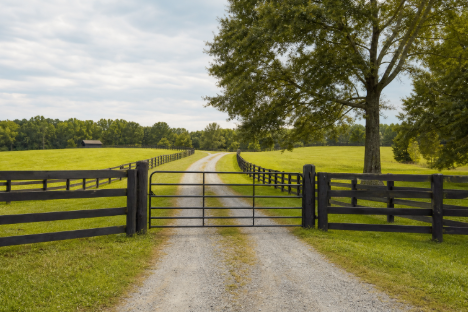
From rolling pasture ground near Dallas to smaller horse properties across Gaston County, a productive livestock layout begins with how the land is actually used. Working with a local fence manufacturer can help landowners translate daily chores, animal needs, terrain, and future goals into a practical plan.
North Carolina pasture conditions can change quickly due to seasonal growth, heavy rain, dry spells, and traffic around gates or water sources. The best designs do more than hold animals inside a boundary. They make it easier to move livestock calmly, rest, forage, protect wet areas, and complete routine work without unnecessary steps.
Why Pasture Layout Matters
A poorly arranged pasture can turn simple work into repeated problems. Long walks to water, awkward gate locations, narrow turns, and constantly muddy entrances consume time and can concentrate hoof traffic in the same places. A thoughtful layout connects grazing areas, shelter, handling space, equipment access, and water so that the farm functions as a single system.
Dividing a large field into manageable paddocks can also support rotational grazing. The use of fenced paddocks and adequate water supplies helps producers direct animals to fresh forage while allowing previously grazed areas time to recover.
Assess The Property Before Building
Start with a simple map. Mark property lines, roads, barns, trees, slopes, low spots, streams, ponds, existing barriers, and utility locations. Then walk the land after rain and during dry weather. A route that looks harmless in spring may become slick, rutted, or difficult to reach after a summer storm.
Follow the daily routine on foot. Note where livestock gather, where people open gates, where trailers need clearance, and where equipment must travel for mowing, hay, repairs, or emergencies. Avoid building permanent bottlenecks into sharp corners, blind approaches, or steep travel routes.
Match The Plan To The Animals
Horses, Cattle, Sheep, And Goats
Each species uses a pasture differently. Horses benefit from visible, predictable boundaries and layouts without exposed hardware or tight blind corners. Cattle need durable boundaries and travel routes that reduce pushing and abrupt turns. Sheep and goats require closer attention to lower openings, corners, climbing opportunities, and potential predator pressure.
Behavior matters as much as size. A goat that repeatedly tests a weak spot may create more maintenance than a heavier animal that respects the fence line. Consider age, temperament, herd dynamics, and whether animals will be introduced, separated, or moved frequently.
Choose Permanent And Temporary Divisions
Use permanent boundaries for property edges, roadside areas, barn surroundings, and locations that must remain secure year-round. Interior divisions can be more flexible. Temporary fencing can help test paddock sizes, reserve a resting section, or adapt to changing forage growth before committing to a fixed layout.
Forage type and seasonal growth should shape the plan. NC State notes that rotational stocking decisions should balance plant and animal needs, including when grazing begins and ends, and how long forage rests between uses. Pasture grazing heights for rotational stocking can provide a useful framework for matching movement decisions to the forage being grown.
Place Water, Gates, And Lanes With Care
Water access influences where animals travel and where the ground wears out first. Place tanks or troughs where livestock can reach them without crossing unstable slopes or wet drainage paths. If a water point serves several paddocks, protect the surrounding surface and make room for cleaning, maintenance, and winter access.
Put gates where animals naturally flow, but keep enough clearance for tractors, trailers, and emergency access. Lanes should link paddocks, barns, and handling areas directly, with stable footing in high-traffic sections. A slightly longer route is often worthwhile if it avoids mud, a stream crossing, or a dangerous grade.
Protect Soil, Streams, And Sensitive Areas
Fence lines can guide livestock away from steep banks, wet-weather channels, ponds, and fragile stream edges. Keep feeding, mineral, shade, and holding areas away from locations where runoff can carry sediment or manure toward water. If one entrance turns bare and muddy, rotate traffic or improve that area rather than allowing damage to spread.
Consider drainage and wildlife movement before placing permanent barriers. A planned crossing, wider buffer, or adjusted fence alignment may protect both pasture function and the features that make a Gaston County property valuable.
Build Safety Into Every Section
Remove loose wire, broken boards, sharp ends, and damaged fasteners promptly. Use barriers that animals can clearly see in areas where they run or move quickly. Gates should have reliable latches that workers can reach without standing directly in an animal’s path. Keep a clear route for veterinary visits, fire response, and equipment recovery.
Set A Practical Project Budget
Measure every planned boundary before seeking estimates. Include posts, bracing, wire or rails, gates, water lines, site preparation, gravel, labor, delivery, and future repairs. Separate the project into priorities:
- Must-have work: perimeter security, safe gates, water access, and protection for hazardous areas.
- Flexible improvements: interior paddocks, upgraded lanes, additional water points, and appearance-focused features.
- Long-term costs: inspection time, vegetation control, storm repairs, and replacement materials.
Review Technology
Mapping apps, remote cameras, electric-fence monitors, and digital maintenance logs can make it easier to document water points, gates, weak spots, and repair history. Virtual fencing may be useful in selected grazing situations, but it should be evaluated carefully for animal training, signal coverage, power, monitoring, and backup containment. Physical barriers remain essential around roads, neighbors, water hazards, and other locations where dependable control is necessary.
Maintain And Improve The Layout
Walk high-pressure areas weekly, especially corners, gates, water points, shade, and lane entrances. After storms, inspect for fallen limbs, washed-out soil, leaning posts, and damaged lines. At least once each year, review where repairs occur most often and where livestock hesitate, crowd, or create mud. Those patterns show where the original design needs adjustment.
Pasture Planning Checklist
- Define the purpose of every pasture, pen, lane, and enclosure.
- List the species and number of animals expected in each area.
- Map slopes, wet areas, water features, roads, buildings, and access routes.
- Separate permanent boundaries from flexible interior divisions.
- Plan water, gates, shade, handling areas, and equipment clearance.
- Choose barrier types that fit animal behavior and site conditions.
- Protect drainageways, streambanks, and other vulnerable ground.
- Budget for installation, site work, inspection, and repairs.
- Test new interior layouts before making them permanent.
- Set a regular schedule for maintenance and seasonal review.
Conclusion
A well-planned pasture supports safer livestock handling, healthier forage use, and smoother daily work. By designing around Gaston County’s terrain, weather patterns, animal behavior, and long-term property goals, landowners can create a layout that remains practical long after the first post is set.

