

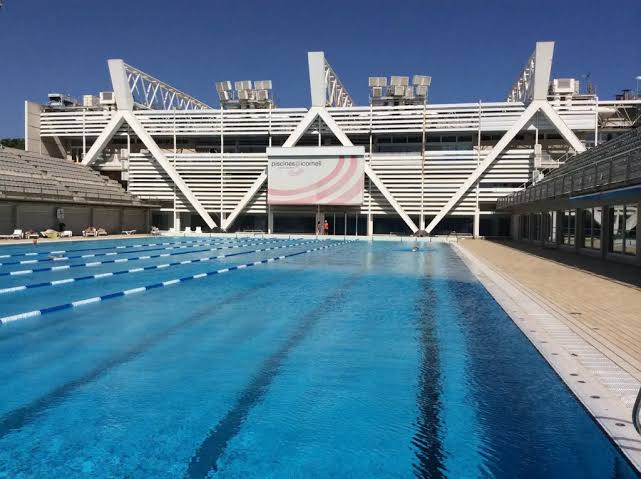
Opening a swimming pool after an extended period of inactivity is an important part of seasonal property maintenance. A pool that has remained covered or unused for several months can require careful cleaning, equipment inspection, water treatment, and preparation before it is ready for regular swimming. Simply removing the cover and turning on the pump may not be enough to ensure that the entire system is operating properly. Debris may have accumulated, water chemistry may have changed, equipment may require inspection, and surfaces may show signs of wear that were not previously visible. A professional opening process provides an organized way to inspect the pool from the surface to the mechanical systems while preparing it for the increased demands of the swimming season. When opening is performed carefully, property owners can begin the season with a cleaner and more reliable swimming environment and can address potential concerns before they become disruptive during periods of frequent pool use.
Why Seasonal Pool Opening Requires Careful Planning
A swimming pool changes considerably during a period of inactivity. Even when the pool is properly covered, environmental conditions can affect the water, cover, equipment, and surrounding areas. Dust, leaves, insects, rainfall, temperature changes, and moisture can all contribute to conditions that need attention when the pool is reopened. Equipment may also require inspection after remaining inactive for an extended period, particularly pumps, filters, valves, plumbing connections, and circulation components. A careful opening process considers all of these areas rather than focusing only on the appearance of the water. Planning the opening in advance also provides enough time to identify repairs or maintenance requirements before the pool is needed regularly. Property owners can benefit from scheduling professional service early in the season because this allows technicians to evaluate the condition of the pool and complete necessary preparation without rushing. A structured approach can make the transition from seasonal closure to active use smoother and provide greater confidence that important maintenance tasks have been completed.
Inspecting the Pool Cover Before Removal
The pool cover is an important protective component during the off-season, and it should be inspected carefully before it is removed. Depending on the type of cover and the conditions it experienced, it may contain accumulated leaves, dirt, standing water, or other debris. Removing a cover without proper care can allow unwanted material to enter the pool, increasing the amount of cleaning required afterward. The condition of the cover should also be observed for tears, damaged connections, excessive wear, or other issues that may need attention before it is stored or used again. Professional technicians can remove the cover carefully and manage accumulated debris so that the reopening process begins in an organized manner. Once the cover is removed, it should be cleaned and stored appropriately according to its material and design. Taking care of the cover as part of the seasonal process can extend its useful life and help ensure that it provides effective protection when the pool is closed again.
Removing Debris and Cleaning the Pool
After the cover is removed, thorough cleaning is one of the first major steps in preparing the pool for regular use. Leaves, dirt, insects, dust, and other materials may have accumulated on the surface or settled at the bottom during the inactive period. These materials should be removed carefully rather than simply being pushed into the circulation system. Skimming, brushing, vacuuming, and cleaning the surrounding areas can help restore the pool to a manageable condition. Pool walls, steps, corners, drains, and other areas should also be examined because debris can settle in locations where water circulation is weaker. Cleaning is not only important for appearance; it also makes it easier to inspect surfaces and identify cracks, stains, loose tiles, damaged fittings, or other concerns. A professional cleaning process can therefore serve two purposes by removing unwanted material while creating a clearer view of the actual condition of the pool. This provides a stronger foundation for the rest of the opening process.
Checking Pumps and Filtration Equipment
The circulation and filtration systems should receive careful attention before the swimming season begins because they are responsible for moving and cleaning the water. Pumps, filters, valves, skimmer baskets, pump baskets, plumbing connections, and other components should be inspected to ensure that they are ready for regular operation. A pump that has developed an issue during the inactive period may produce unusual sounds, reduced flow, pressure changes, or other signs of malfunction when restarted. Filters may also require cleaning or servicing before they can perform effectively. Starting equipment without checking its condition can sometimes allow an existing problem to become more serious. Professional technicians can inspect the system, identify unusual conditions, and determine whether maintenance or repair is needed. Ensuring that circulation and filtration equipment is operating properly is especially important because these systems influence water quality throughout the swimming season. A well-prepared mechanical system can provide more consistent circulation and make ongoing maintenance easier.
Testing and Balancing the Water
Water chemistry is another major part of preparing a swimming pool for seasonal use. Water that has remained inactive for an extended period may not be suitable for swimming without proper testing and treatment. Chemical levels can change because of environmental exposure, rainfall, temperature fluctuations, and organic material that entered the pool during the off-season. Testing provides information about the current condition of the water and allows appropriate adjustments to be made. Professionals can evaluate important chemical conditions and determine what treatment is necessary before regular swimming begins. Water should also be monitored after initial treatment because conditions can change as the circulation system begins operating and cleaning progresses. Proper water management is not simply about achieving clear-looking water; it also supports the condition of pool surfaces and equipment and contributes to a more comfortable swimming environment. Including water testing as part of the seasonal opening process provides a more complete approach to preparing the pool for use.
Inspecting Pool Surfaces and Interior Features
Opening a pool provides an excellent opportunity to inspect surfaces and interior features that may have developed problems during the off-season. Plaster, tile, grout, coping, steps, ladders, drains, lights, and other components should be checked for visible signs of damage or deterioration. Small cracks, loose tiles, rough areas, discoloration, or damaged fittings may become easier to identify once the pool has been thoroughly cleaned. Addressing these concerns early can help prevent them from becoming more difficult to manage during the active season. Some problems may only require minor attention, while others could indicate that a larger repair or renovation should be considered. Professional inspection helps property owners understand the significance of what they are seeing and determine whether immediate action is necessary. Including a surface inspection in the seasonal preparation process also gives owners an opportunity to plan work before the pool is heavily used.
Checking Plumbing and Water Circulation
Plumbing plays a major role in moving water between the pool and its equipment, making it an important part of seasonal preparation. Connections, valves, drains, skimmers, return lines, and other components should be inspected for visible problems or unusual performance. If water flow is weaker than expected or the system struggles to maintain normal pressure, further investigation may be necessary. A plumbing issue can affect circulation and may eventually contribute to water-quality problems if it remains unresolved. Professional technicians can observe the system while equipment is operating and identify conditions that may require repair or adjustment. Early attention to plumbing concerns can also reduce the possibility of water loss or equipment strain. A complete opening process should therefore consider both the visible condition of the pool and the systems working behind the scenes to circulate and treat the water.
Preparing the Pool for Regular Use
Once cleaning, inspection, equipment checks, and water treatment have been completed, the pool can be prepared for regular seasonal use. This stage may include final cleaning, checking water clarity, confirming equipment operation, reviewing chemical conditions, and ensuring that surrounding areas are ready for swimmers. The goal is to make sure that the pool is not simply operational but properly prepared for the increased demands that come with regular activity. Property owners should also consider whether any identified maintenance or repair concerns need to be addressed before the pool is used frequently. Delaying an equipment or surface problem simply because the pool is technically usable may result in greater inconvenience later. Completing necessary preparation before the season becomes busy can provide a more predictable maintenance routine and reduce the chance of unexpected interruptions. A professional opening service can help coordinate these tasks and provide a clear starting point for ongoing seasonal maintenance.
Residential Seasonal Pool Preparation
Residential swimming pools often remain unused for an extended period, making seasonal preparation especially important for homeowners who want to begin the swimming season without unnecessary complications. Families may be eager to use the pool as soon as warm weather arrives, but rushing through the opening process can leave equipment or water-quality problems unresolved. A professional pool opening service can help homeowners manage cleaning, equipment inspection, water treatment, and other preparation tasks in a systematic manner. Professional technicians can also identify issues that may not be obvious to homeowners, such as reduced circulation, worn components, damaged surfaces, or water-quality concerns. This can provide homeowners with a clearer understanding of what needs attention before the pool becomes part of their regular routine. By preparing the pool thoroughly at the beginning of the season, homeowners can establish a stronger foundation for ongoing cleaning and maintenance.
Commercial Pool Opening Considerations
Commercial pools often require even more structured seasonal preparation because they may serve large numbers of swimmers and may need to become operational according to a planned schedule. Hotels, fitness facilities, recreational properties, community pools, and other commercial locations cannot always afford unexpected equipment problems once the swimming season is underway. A detailed opening process can include cleaning, water chemistry management, equipment inspection, pump and filter checks, plumbing evaluation, surface inspection, and other necessary preparation. Commercial facilities may also have specific operational and safety requirements that need to be considered before opening to the public. Professional pool management services can coordinate these tasks and help facility managers identify concerns before regular operations begin. A systematic approach can also make it easier to schedule repairs or improvements around the property’s operating needs. Preparing commercial pools thoroughly can support more reliable operation while helping managers maintain a consistent standard of cleanliness and maintenance.
Identifying Repairs Before the Season Begins
One of the major benefits of seasonal preparation is the opportunity to identify repairs before the pool experiences frequent use. Equipment that appears inactive during the off-season may reveal problems when restarted, while cleaning can expose damaged surfaces or fittings that were previously hidden beneath debris. Addressing these concerns before regular swimming begins can reduce the possibility of an unexpected failure during the busiest part of the season. Repairs may involve pumps, filters, plumbing, pool surfaces, lighting, drains, tiles, or other components depending on the condition of the pool. Professional evaluation helps determine whether a problem requires immediate attention or can be included in a planned maintenance schedule. Property owners can then make informed decisions about necessary work instead of reacting to emergencies. Seasonal preparation is therefore not only about getting the pool clean but also about understanding its condition and establishing priorities for the months ahead.
Establishing a Maintenance Schedule After Opening
The work performed during seasonal preparation should be followed by consistent maintenance throughout the swimming season. Once the pool is reopened, regular cleaning, water testing, chemical management, equipment inspections, and debris removal become necessary to maintain the condition established during the opening process. A pool that begins the season clean and balanced can still develop problems if routine maintenance is neglected. Swimmer activity, weather, debris, and equipment operation continuously affect the pool, so ongoing service is essential. Property owners should establish a maintenance schedule based on usage, environmental conditions, pool size, and equipment requirements. Professional maintenance can help keep these responsibilities organized while providing opportunities to identify developing concerns. Regular service also allows technicians to monitor whether equipment continues to perform as expected and whether any repairs or adjustments are becoming necessary.
The Role of Professional Pool Management
Professional pool management can make seasonal preparation and ongoing maintenance easier by bringing different responsibilities together. Instead of treating cleaning, water chemistry, equipment care, repairs, and seasonal services as unrelated tasks, a professional provider can evaluate the pool as one complete system. This makes it easier to understand how changes in one area may affect another. For example, poor circulation can influence water quality, while excessive debris can place additional demands on filtration equipment. Professional service can help identify these relationships and address problems according to their underlying causes. Triad Pool Management provides residential and commercial pool services that include seasonal opening and closing, cleaning, maintenance, repairs, renovations, chemical care, and equipment-related services. A comprehensive approach can give property owners a more organized way to manage the pool throughout the year while reducing the burden of handling technical maintenance responsibilities independently.
Planning for a Successful Swimming Season
A successful swimming season begins with preparation rather than waiting until problems appear. Property owners can benefit from scheduling seasonal services early, reviewing the condition of equipment, and identifying any repairs that should be completed before regular use begins. Keeping records of previous maintenance, repairs, chemical treatment, and equipment performance can also help professionals understand the history of the pool. This information can be useful when determining whether a recurring issue needs further investigation or whether aging equipment should eventually be replaced. Seasonal planning also gives owners an opportunity to evaluate whether the current maintenance schedule is sufficient for the level of pool use expected. A proactive approach can make the season more predictable and can help reduce the possibility of unexpected disruptions. When the pool is prepared carefully and supported by consistent maintenance, property owners can focus more on enjoying the swimming environment rather than responding to avoidable problems.
Conclusion
Opening a swimming pool for a new season is an important maintenance process that should involve much more than removing the cover and starting the equipment. Thorough cleaning, water testing, equipment inspection, circulation checks, surface evaluation, plumbing review, and preparation for regular use all contribute to a successful seasonal transition. Identifying problems early provides property owners with an opportunity to complete necessary repairs before the pool becomes heavily used, while proper water treatment and cleaning create a stronger foundation for maintaining the pool throughout the season.Both residential and commercial pools can benefit from professional seasonal preparation because the process requires attention to multiple systems and maintenance requirements. A properly prepared pool is easier to manage, and regular service after opening can help preserve water quality, equipment performance, and surface condition. Professional pool opening services can provide an organized starting point for the swimming season while allowing property owners to identify maintenance and repair needs before they become more disruptive. By combining careful seasonal preparation with consistent cleaning, water management, equipment care, and preventive maintenance, property owners can maintain a cleaner, safer, and more dependable swimming environment throughout the year.

