

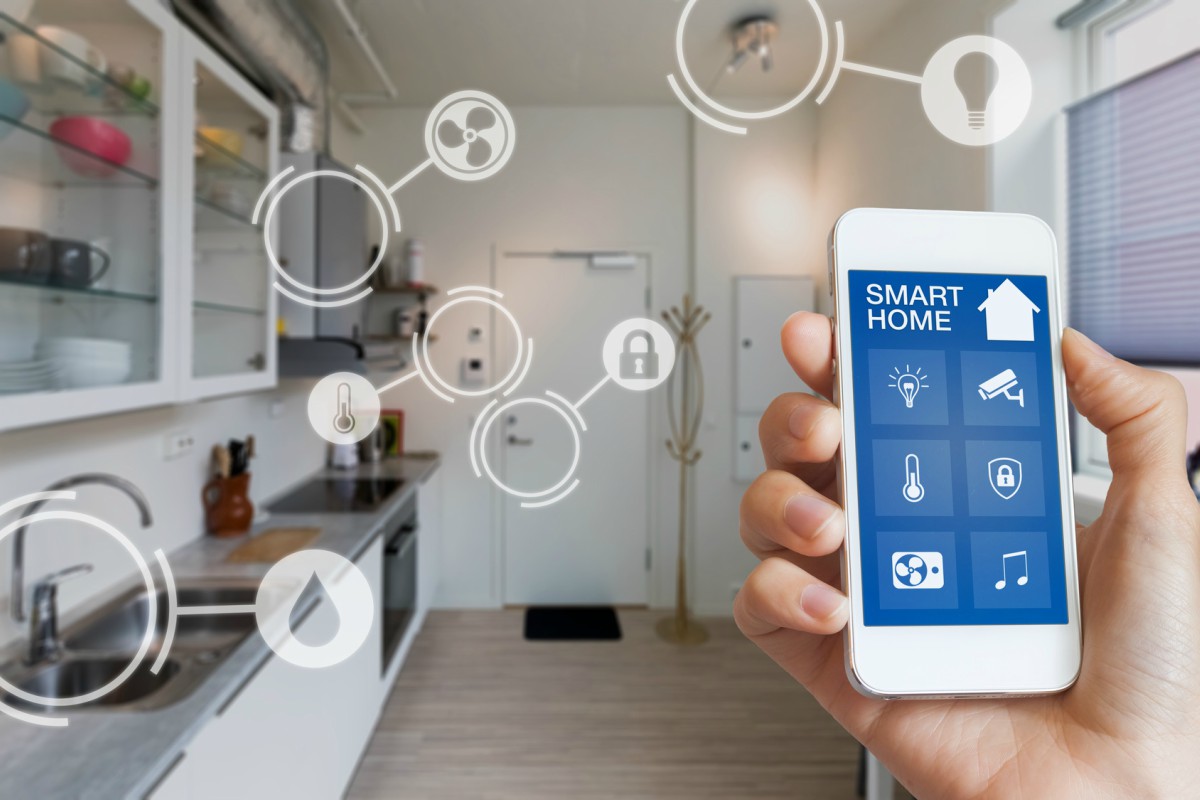
Protecting a residential property has become increasingly connected to the way technology is used throughout the home. Traditional locks, exterior lighting, and basic alarm systems continue to have an important role, but modern technology provides homeowners with additional tools for monitoring activity, controlling access, and managing connected devices. Security cameras, motion sensors, smart locks, access control systems, networking equipment, and integrated automation can work together to create a more organized approach to property protection. A successful security setup should not simply consist of multiple devices installed around the property without a clear plan. Each component should have a practical purpose, be positioned appropriately, and connect reliably with the rest of the system. Professional planning can help homeowners create a technology environment that supports awareness and convenience while remaining simple enough to manage on a daily basis. When security technology is combined with reliable networking and smart home infrastructure, homeowners can establish a connected system that can adapt as their property and technology needs change.
Understanding Modern Residential Security
Modern residential security is based on multiple layers rather than depending on one individual device. Physical doors and locks provide a basic level of protection, while cameras, sensors, access control, and connected alerts can provide additional awareness. The exact combination depends on the property, its layout, the number of entrances, outdoor spaces, household routines, and the level of monitoring required. A smaller residence may only need a few strategically positioned cameras, smart locks, sensors, and dependable Wi-Fi, while a larger property may require extensive surveillance coverage, multiple access points, structured cabling, and advanced networking infrastructure. Before equipment is selected, it is useful to identify areas that may require additional visibility or controlled access. This helps ensure that technology is installed for a specific purpose rather than simply adding devices without considering how they will function together.
Security Cameras and Strategic Coverage
Security cameras can provide valuable visual awareness around areas that homeowners want to monitor. Depending on the property’s design, cameras may be positioned near front and rear entrances, garages, driveways, side passages, walkways, patios, or other exterior locations. Interior cameras can also be considered where appropriate, although homeowners should always take privacy and household preferences into account. Camera performance depends on several factors, including mounting height, viewing angle, lighting conditions, network connectivity, and the surrounding environment. Installing a camera in an unsuitable location can result in limited visibility or unnecessary overlap with other cameras. Professional planning can help determine which areas require coverage and how cameras should be positioned to provide useful views. A carefully designed surveillance system can give homeowners better awareness without turning the property into an unnecessarily complicated collection of equipment.
Motion Sensors and Connected Detection
Security cameras are useful for visual monitoring, but sensors can provide another layer of information by detecting movement or changes at selected locations. Door and window sensors can help identify when an entry point is opened, while motion sensors can detect activity in designated areas. Other connected sensors may also be incorporated depending on the capabilities of the selected system and the property’s requirements. Proper placement is important because sensors need to respond appropriately to the environment in which they are installed. Incorrect positioning can result in unnecessary alerts or limited coverage. Professional installation can help determine where detection technology is most appropriate and how it can communicate with cameras, alerts, access systems, and other connected equipment. By combining different forms of detection, homeowners can develop a more comprehensive understanding of activity around their property rather than relying entirely on visual surveillance.
Smart Locks and Access Control
Controlling who can enter a property is another important part of a modern security strategy. Smart locks and electronic access control systems can provide additional options beyond traditional keys. Depending on the selected technology, authorized individuals may be able to access specific areas through controlled credentials or connected devices. This can be useful for family members, guests, service providers, or other people who need access at different times. Access control can also be integrated with cameras and other connected technologies, allowing homeowners to manage entry while maintaining greater awareness of activity around doors and other access points. Professional installation is particularly valuable because smart locks and access control equipment need to be compatible with existing doors, hardware, network infrastructure, and security requirements. A properly designed system can make access management more convenient while keeping control of entry organized.
Building a Dependable Network
A reliable network is essential for many modern security systems because connected cameras, sensors, smart locks, mobile devices, and other equipment may depend on wired or wireless communication. Poor Wi-Fi coverage or limited network capacity can affect the performance of connected devices, particularly in larger homes or properties with multiple floors. The placement of routers, switches, wireless access points, and other networking equipment should therefore be considered when planning security technology. Wired connections may be appropriate for certain devices, while strategically positioned wireless access points can improve connectivity for compatible equipment. Bandera Networks provides residential networking solutions that focus on coverage, speed, reliability, mesh Wi-Fi, and secure configurations. A dependable network can provide the foundation required for security technology while also supporting everyday household devices, entertainment systems, and future smart home additions.
Integrating Security With Smart Home Technology
Security systems can provide greater convenience when they are integrated with compatible automation technologies. Connected lighting, climate controls, entertainment equipment, access systems, and surveillance devices can work together when they are designed around a suitable technology platform and reliable network infrastructure. For example, smart lighting can be incorporated into certain routines, while access events can be coordinated with other connected functions. The purpose of integration is to simplify management rather than create additional complexity. Homeowners should be able to understand how their technology works and access important controls without constantly switching between unrelated systems. A professional technology provider can evaluate existing equipment and determine which devices can communicate effectively, helping create a coordinated environment that supports both security and everyday convenience.
Improving Visibility Around Outdoor Areas
Outdoor areas can present unique challenges because they may include large spaces, multiple entrances, detached structures, and areas that are difficult to observe from inside the property. Driveways, garages, gates, walkways, patios, and side passages may each require different security considerations. Camera placement should account for the size of the area, potential blind spots, lighting conditions, and available network connectivity. Outdoor equipment also needs to be appropriate for the environment in which it will operate. Lighting can complement surveillance by improving visibility during evening and nighttime conditions, while strategically positioned cameras can provide broader awareness of activity. Professional assessment can help homeowners identify which outdoor areas require additional attention and determine how security technology can be positioned without unnecessarily covering every part of the property.
The Value of Structured Cabling
Wireless connectivity is convenient, but structured cabling remains an important part of many modern residential technology systems. Wired infrastructure can provide stable connections for cameras, network equipment, access points, entertainment devices, and other technologies that benefit from dependable communication. Structured cabling can also create a more organized infrastructure that simplifies future maintenance and expansion. This is particularly useful during construction or major remodeling because cables can be installed before walls and ceilings are finished. Planning wiring locations in advance can reduce the need for disruptive installation work later and provide additional flexibility when new technology is introduced. Bandera Networks offers structured cabling services as part of its broader technology solutions, supporting properties that require reliable infrastructure for networking, security, and connected systems.
Selecting Technology Based on Actual Requirements
Homeowners have access to a wide range of security products, but choosing the right equipment requires more than comparing features and specifications. Each device should be evaluated based on its intended purpose, compatibility, installation requirements, network needs, and ability to work with the rest of the system. A camera with advanced features may not provide much value if it cannot be positioned correctly or connected reliably. Likewise, a smart lock may offer convenient functions but may not suit every door or access requirement. A professional assessment can help identify which technologies are appropriate for the property and which features are genuinely useful. This approach can help homeowners avoid unnecessary equipment while creating a system that is easier to manage and expand.
Professional Installation and Configuration
The installation process can have a major impact on the performance of a connected security system. Cameras need to be mounted at suitable locations, sensors need to be positioned accurately, access systems must be installed correctly, and network equipment needs to provide dependable connectivity. Once the physical installation is complete, devices may also need to be configured and tested to confirm that they communicate properly. Professional installation can identify issues such as weak network coverage, incorrect camera angles, excessive alerts, or compatibility limitations before they become ongoing problems. Bandera Networks describes its technology process as including consultation and site assessment, professional installation, testing, optimization, and ongoing support. This comprehensive approach can help homeowners receive a system that is properly configured rather than simply having individual devices mounted around the property.
Using Lighting as Part of a Security Strategy
Lighting can complement other security technologies by improving visibility around important areas of a property. Exterior lighting near entrances, garages, walkways, and other spaces can make those areas easier to observe and can support the effectiveness of surveillance equipment. Smart lighting can also provide additional convenience by allowing homeowners to manage schedules and selected lighting routines. When compatible systems are used, lighting can become part of a broader automation environment. However, lighting should be viewed as one component of a comprehensive security approach rather than a replacement for cameras, sensors, locks, or other protective measures. Professional planning can help determine where lighting may be most useful and how it can be integrated with existing technology without making everyday operation unnecessarily complicated.
Supporting Different Property Environments
Security requirements vary considerably between different types of properties. A small home may have only a few important access points, while a larger residence may contain multiple entrances, garages, outdoor structures, several floors, and extensive exterior areas. Multifamily properties have additional requirements because residents, staff, visitors, and property managers may all need different levels of access. Smart apartment technology can help support connectivity, access control, security, and other technology infrastructure across multiple units and shared spaces. Commercial properties may require business Wi-Fi, surveillance, employee access management, structured cabling, and other technology services. Bandera Networks provides residential and commercial technology solutions, allowing connected security and networking systems to be planned according to the specific characteristics and requirements of each environment.
Monitoring and Managing Security Alerts
Connected security systems can provide homeowners with information about activity detected by cameras, sensors, and other devices. However, alerts should be configured carefully so that they provide useful information without becoming overwhelming. Receiving too many unnecessary notifications can make it difficult to recognize events that actually require attention, while insufficient monitoring can leave important areas without appropriate coverage. Professional configuration can help homeowners determine which events should generate alerts and which functions can operate without constant notification. The system should also be easy for household members to understand so they know how to access cameras, review alerts, manage authorized users, and adjust settings when necessary. Good system design balances awareness with simplicity and allows homeowners to remain informed without requiring constant interaction with technology.
Planning for Future Technology
A connected security system should ideally be capable of adapting as the property and household change. Homeowners may begin with cameras and smart locks and later decide to add sensors, additional surveillance, access control, lighting automation, or other connected devices. Network capacity and structured cabling should therefore be considered with future expansion in mind. Planning ahead does not mean purchasing every available device immediately. Instead, it means establishing an infrastructure that can support reasonable additions without requiring a complete redesign. Properly organized wiring, strategically placed networking equipment, compatible technologies, and sufficient capacity can make future upgrades easier. This allows homeowners to expand their security system gradually according to changing requirements instead of replacing major portions of the infrastructure whenever a new technology becomes useful.
Maintaining Connected Security Equipment
Like any other technology system, security equipment requires regular attention after installation. Cameras should be inspected to ensure that their views remain clear, sensors should be tested periodically, and smart locks should be checked to confirm that they continue to operate properly. Network equipment and connected devices may require software updates, while changing household technology can increase network demands over time. Homeowners should also review whether the current security configuration still matches the property. Renovations, new entrances, landscaping changes, additional structures, or changes in household routines can create new requirements. Maintaining documentation about installed devices, network equipment, warranties, and configurations can make troubleshooting and future upgrades more efficient. Regular reviews can help ensure that the security system remains useful rather than becoming outdated as the property evolves.
Creating an Integrated Security Approach
An effective security strategy generally combines several complementary measures rather than depending on one piece of equipment. Strong physical entry points, appropriate locks, reliable networking, surveillance cameras, sensors, access control, suitable lighting, and connected automation can all contribute to a more organized system. The most important consideration is how these components work together. A collection of advanced devices may still be difficult to use if each one operates independently.
By contrast, a thoughtfully designed system can provide homeowners with centralized or coordinated control while keeping important security functions accessible. Professional consultation from a home security provider can help identify areas that require attention and determine which technologies can provide useful support. This integrated approach can make security easier to manage while leaving room for future improvements.
Conclusion
Modern connected technology has expanded the options available to homeowners who want to improve awareness, manage access, and organize security throughout their properties. Cameras, sensors, smart locks, access control, networking, structured cabling, lighting, and automation can all contribute to a more comprehensive security environment when they are selected and installed according to the property’s actual requirements. Reliable infrastructure is especially important because connected devices depend on stable communication and appropriate configuration. Bandera Networks provides services involving home security, home automation, residential networking, access control, structured cabling, business Wi-Fi, commercial security, and smart apartment technology, allowing different technology requirements to be addressed through an integrated approach. Working with a professional home security provider can help homeowners develop a system that supports current needs while allowing room for future technology. With thoughtful planning, professional installation, reliable connectivity, and regular maintenance, connected security can become a practical part of long-term property management while helping homeowners maintain greater control over the technology protecting their property.

