

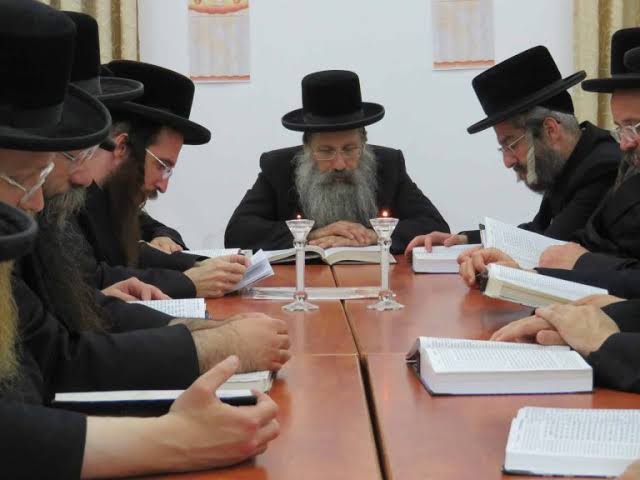
Kaddish is traditionally recited in a minyan during the mourning year and on a yahrzeit. For people who travel frequently, live far from a daily synagogue, work shifts, or have health limitations, consistent minyan attendance may be out of reach. Yet the desire to honor a parent or loved one with regular Kaddish remains. This article explains how to plan a dignified Kaddish arrangement when you cannot be physically present, focusing on three practical pillars: getting the dates right, preparing the exact name to be used, and choosing a reliable mode of coverage so that Kaddish is recited at Shacharit, Mincha, and Maariv throughout the period you intend.
-
When Consistent Minyan Attendance Is Not Feasible
Families in this situation often seek a dependable arrangement so Kaddish is said daily in a minyan even when the mourner cannot attend. Some work with a dedicated individual who commits to recite Kaddish, while others rely on synagogues with multiple daily services to build redundancy. Information pages such as https://www.chevrahlomdeimishnah.org/product/kaddish-recital/ outline how a recital service might be structured, which can help you frame questions about coverage across time zones and prayer times.
Consider two common scenarios. A physician on rotating night shifts may miss both Shacharit and Maariv several times per week; a solution that uses multiple minyanim in different locations can cover gaps created by unpredictable schedules. A rural mourner with the nearest weekday minyan an hour away may prefer a named reciter who attends a steady Shacharit and Mincha daily and provides periodic confirmations. In both cases, the goal is the same: uninterrupted Kaddish in a bona fide minyan during the mourning months and on the yahrzeit.
-
Aligning Names, Dates, and Time Zones for Kaddish
Accurate memorial identification starts with the Hebrew name. Prepare the full name as used in synagogue contexts, typically the given Hebrew name followed by “ben” or “bat” and a parent’s Hebrew name. Custom differs by community regarding which parent’s name is used for memorial listings; ask your rabbi or synagogue gabbai which is standard where the Kaddish will be recited. Provide correct spellings in Hebrew if possible, and note alternate names or nicknames that might appear in records, so they can be matched properly in a yahrzeit plaque or luach.
Next, set the calendar correctly. Yahrzeit follows the Hebrew date, which switches at sunset rather than at midnight. That matters across time zones and seasons. If a parent passed away after sundown, the yahrzeit falls on the next Hebrew date each year. When arranging a reciter in another city, specify whether to observe by the deceased’s location, the mourner’s location, or the minyan’s location, and confirm the practice with a competent halachic authority. Provide the reciter with the exact yahrzeit date and any special instructions for Erev Shabbat, Rosh Chodesh, or days when Mincha and Maariv are combined.
-
Choosing Between Personal Reciter and Distributed Minyan Coverage
Two workable models serve most families. A personal reciter is an individual who attends a daily minyan and accepts responsibility to say the mourner’s Kaddish throughout the relevant months and on the yahrzeit. The advantage is accountability: one person knows the name, tracks Shacharit, Mincha, and Maariv, and can notify you if a service is missed due to travel or illness. The tradeoff is single point risk; if that person’s minyan is canceled due to weather or a holiday schedule, coverage lapses without a backup.
A distributed coverage model uses several minyanim or a synagogue network. One congregation may handle Shacharit, another takes Mincha and Maariv, and a third covers Friday Mincha when schedules shift for early Shabbat. The advantage is redundancy and broader time zone flexibility, helpful for travelers who cross the International Date Line or move between Eastern and Pacific time. The tradeoff is coordination: each location must receive the same Hebrew name, yahrzeit date, and nusach details, and someone must reconcile confirmations to ensure all three daily services were covered.
-
What to Confirm Upfront With Any Kaddish Arrangement
Clarify the schedule first. Ask which minyan times your reciter attends on weekdays, Shabbat, and holidays, and how they handle days with unusual timing such as Tzom Gedalia or Erev Pesach. Confirm whether they will recite Kaddish at Shacharit, Mincha, and Maariv, and what happens if a service is missed. There is no “make up” Kaddish for a missed day, so reliability and a clear backup plan matter more than promises.
Standardize the details. Provide the Hebrew name in writing, specify the community nusach (e.g., Ashkenaz, Sefarad, or Edot Mizrach), and note any pronunciation preferences. Ask how they list names in the synagogue luach, how they verify a minyan of ten adults was present, and how you will receive updates. Some families want monthly confirmations and a reminder before the yahrzeit; others prefer a mid year check in and a final summary at the end of shloshim or the 11 month mourning period. Establish expectations now to prevent confusion later.
Staying Connected During the Mourning Year
Even when someone else handles daily Kaddish, mourners often add practices that bring meaning and continuity. Many learn Mishnah in the loved one’s memory, give tzedakah on the yahrzeit, and light a yahrzeit candle the evening the date begins. If you can occasionally reach a local minyan for Kaddish on a Sunday morning or for a yizkor service on a festival, let the reciter know so they can coordinate and avoid duplication at the same service time.
Keep a simple ledger of dates and touchpoints. Record when shiva ends, note shloshim, track the 11 month mark when many end mourner’s Kaddish, and set a reminder for the annual yahrzeit based on the Hebrew date. If your travel or work pattern changes, update the arrangement so Shacharit, Mincha, and Maariv remain covered. With the right name details, a correct yahrzeit date, and a structure that matches your constraints, you can honor a parent’s memory with steady, dignified Kaddish even when your own schedule is unpredictable.

