

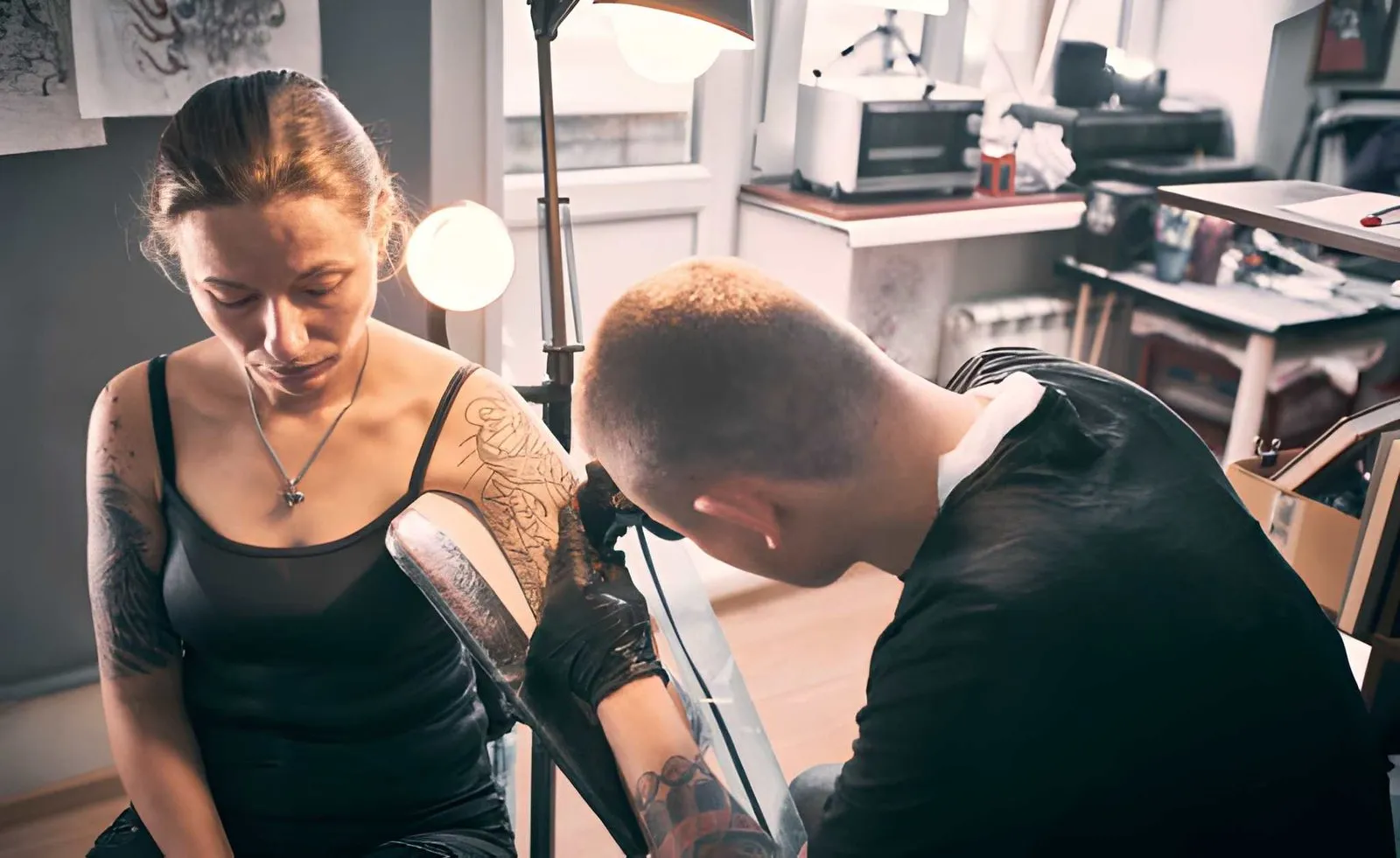
Tattoos are drawings that have to perform on living, moving skin. The lines you admire on day one will soften, your skin will stretch and compress, and sunlight will do its work. Whether your design still reads clearly in five or fifteen years depends on decisions you can make before the stencil ever touches your body. Scale, line weight, placement, contrast, and healing habits all shape long-term clarity. This article breaks down how those choices interact, shows where people unintentionally set a good design up to fail, and offers practical ways to stress test an idea so the final piece ages as well as it looks on appointment day.
-
Scale and Line Weight: The Gatekeepers of Readability
Every line in a tattoo occupies skin that expands, contracts, and gradually diffuses ink. Very fine outlines and tiny negative spaces that look crisp on a tablet can soften until details merge. Single-needle lines create a delicate look, but compared with a 3-round liner or a 5-round liner, they reach visual “mush” sooner in high-motion areas. If you shrink a complex map or portrait to wrist size, eyelashes, street names, and filigree can collapse into gray patches. Setting a minimum line weight and increasing spacing between small elements gives diffusion room, so letters and shapes remain legible after years of wear.
A quick test helps: print the design at the intended size, tape it where it will live, and photograph it from arm’s length and across the room. If you cannot read microtext or separate leaves from stems at those distances, the healed version will struggle. Browsing healed portfolios on sites such as https://platinumink.net/ can also train your eye to notice where fine line work held up and where it blended. That reality check often leads to smart adjustments like thicker stems, simplified shading, or fewer tiny cuts in a single petal.
-
Skin Movement and Placement: What Your Body Does to Ink
Placement determines how much a tattoo stretches, compresses, rubs, and gets sun exposure. Wrists, ankles, elbows, and knees constantly flex, which accelerates edge softening and can warp micro geometry over time. Fingers and sides of hands face heavy friction from objects and frequent washing, while collars and backpack straps abrade clavicle pieces. Soft tissue over the stomach and inner bicep stretches with weight changes and training, shifting proportions in tight geometric work. Designing with that movement in mind reduces distortion and premature blur.
Picture a fine line botanical wrapped low around the ankle. Socks rub that area daily, and the joint flexes with every step, so tiny leaves and hairline stems risk thickening into one band. Moving the same motif to the inner upper arm or calf, and increasing line weight slightly, preserves separation between elements and keeps the silhouette graceful. On ribs, expansion from breathing makes long straight lines tougher to apply; breaking them into shorter segments that follow the rib cage contour helps them heal straighter and read better when you are standing, seated, and in motion.
-
Color, Contrast, and Skin Tone: Making Hues Last
Sunlight fades pigment, and low-contrast color-on-color designs lose clarity fastest on exposed areas. Black and deep gray linework anchor shapes by creating consistent contrast; heavily saturated pigments tend to last longer than desaturated pastels under UV. Because tattoo ink sits under the epidermis, natural melanin acts like a translucent filter. That doesn’t prevent color, but it does shift how hues read. Rich teal, coral, and mustard often show truer over time than pale mint, baby pink, or powder blue, which can wash out to near neutral under melanin and sun.
Imagine a pastel watercolor splash across the outer forearm. Without dark anchors, the edges blur with UV and daily wear, and the tattoo fades sooner than expected. Add crisp black linework, controlled negative space, or deeper color accents to protect shapes as saturation slowly softens. If you want minimal black and very light hues, consider a lower sun placement like the upper thigh or upper back and make sunscreen an everyday habit. The tradeoff is simple: delicate color on a sunny limb demands more protection or more contrast to age gracefully.
-
Session Strategy and Healing: Decisions That Affect the Finish
The way a session is structured influences the healed result. Long marathons can invite swelling, stencil drift, and overworked skin, especially on areas with thin dermis like the inner arm or foot. When skin is angry, pigment doesn’t sit as cleanly, increasing the risk of texture changes. Breaking a large piece into sessions lets linework settle before heavy shading or color packing. Artists also choose needle groupings and passes to minimize trauma; for example, using a curved magnum for smooth shading instead of grinding with small groupings that require more strokes.
Healing habits can preserve or undo great application. In the first 24 to 48 hours, a breathable film or clean nonstick dressing helps manage plasma without trapping sweat. Wash gently with lukewarm water and fragrance-free soap, pat dry, and apply a very thin layer of a recommended ointment; thick petroleum layers can suffocate skin, promote pimples, and lift color. Avoid pools, hot tubs, and heavy gym friction while the epidermis rebuilds, and do not sleep directly on the fresh area. As flaking begins, resist picking; removing sheets of peeling skin can take ink with them. Moisture, friction, and sun are the big three variables that determine how crisp lines and color remain after healing.
Planning With References: Turning Ideas Into Tattooable Art
Great references show direction but do not demand unworkable micro details. Mark which elements are nonnegotiable and which can be simplified. A design hierarchy keeps the eye organized: a bold silhouette, medium details, then texture. Removing tiny crosshatching that will blur, enlarging letterforms to a readable minimum, and testing a paper stencil on the actual limb all reduce surprises. Record a quick phone video while flexing or twisting the area; watch how the stencil stretches at a wrist crease or along a quad so you can shift placement away from high distortion zones.
Conversations with your artist are most productive when focused on function. Ask to see healed photos of similar styles and placements. Talk through minimum line weights and anticipated needle choices, such as outlining with a 7 round liner and reserving single needle accents for limited, protected areas. Decide session length based on how your skin reacted to previous work or a small test area. Agree on a minimum height for small script so counters in letters like a, e, and o do not close as the skin relaxes. Those practical guardrails turn a vision into artwork that performs on your body over time.
A tattoo that still looks intentional years later is rarely an accident. It comes from choosing a size that respects ink diffusion, a placement that avoids constant friction and extreme stretch, a palette with enough contrast for your skin tone and sun exposure, and a session and aftercare plan that protect the surface while it heals. Spend extra minutes now printing, taping, photographing, and even video-testing your idea. Pair that prep with daily sunscreen and consistent moisturizing once healed, and you give linework, shading, and color a better chance to age into character rather than confusion.

