

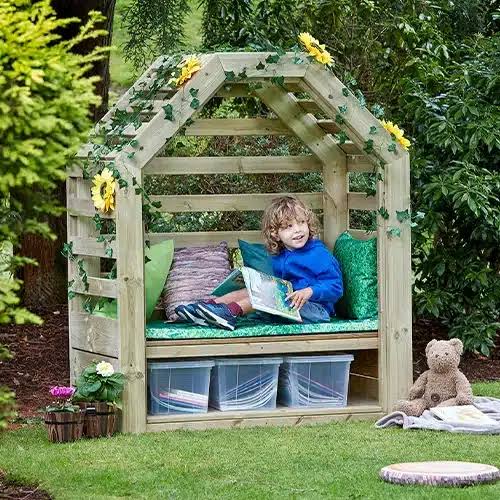
Outdoor play is an important part of childhood because it gives children opportunities to move, explore, imagine, and develop confidence through active experiences. A well-designed play area can turn ordinary outdoor time into an enjoyable routine where children have space to release energy while developing physical and social skills. Among the many outdoor play options available to families, a kids swing set can become a central feature because swinging is simple, engaging, and suitable for a wide range of ages when the equipment is selected and used appropriately. Beyond entertainment, a thoughtfully chosen swing structure can encourage children to spend more time away from screens and participate in active play.
Choosing outdoor play equipment, however, involves more than selecting something that looks attractive. Parents and caregivers should consider construction quality, age suitability, available space, safety features, maintenance requirements, and the types of activities children are likely to enjoy. A good play structure should provide an appropriate balance between excitement and safety while also being durable enough to withstand regular use. Understanding these factors can make the purchasing and installation process easier and help families create an outdoor environment that children can enjoy for years.
Why Swinging Is Beneficial for Children
Swinging is more than a recreational activity. It involves repeated body movements that require children to coordinate their arms, legs, and torso while maintaining balance. As children learn how to control their movement, they become more aware of their bodies and surroundings. This type of active play can contribute to the development of coordination and gross motor skills. Younger children may initially need assistance, while older children can gradually learn how to start, maintain, and control their swinging motion independently.
Outdoor swinging can also provide an opportunity for children to experience movement in a controlled environment. The repeated back-and-forth motion can be enjoyable and engaging, encouraging children to remain active for longer periods. When several children use a play area together, the experience can also promote communication, turn-taking, patience, and cooperation. These social elements are particularly valuable because outdoor play does not have to be an individual activity. Children can create games, establish simple rules, and interact naturally while using the equipment.
Another important benefit is the opportunity for imaginative play. A swing may become part of an imaginary airplane, spaceship, castle, or adventure during a child’s play session. Children often transform ordinary equipment into something much more creative through storytelling and pretend play. A versatile outdoor structure can therefore support physical activity and imagination at the same time, making it more valuable than equipment designed only for one specific activity.
Choosing the Right Design
The design of outdoor play equipment should match the children’s ages, abilities, and interests. Equipment intended for toddlers may have different seat designs, dimensions, and safety features than equipment intended for older children. Parents should always check the manufacturer’s recommended age and weight limits before allowing a child to use the equipment. These specifications exist because different structures are designed to accommodate different stages of physical development.
A kids swing set should also be selected according to the available outdoor space. Measuring the intended installation area before purchasing equipment can prevent problems later. The structure needs enough room not only for its physical footprint but also for safe movement around the swings. Children need adequate clearance in front of and behind a swing so that other people are not accidentally struck while the equipment is being used. The surrounding area should also remain reasonably open and free from obstacles.
The number and type of swings can influence how useful the structure becomes for a family. A single swing may be sufficient for one child, while multiple seats can make the play area more practical when siblings or friends want to play together. Some structures combine swings with other activities, such as climbing features, slides, ladders, or small platforms. These combinations can provide greater variety, allowing children to move between different activities rather than spending the entire play session on one piece of equipment.
Safety Should Always Come First
Safety is one of the most important considerations when selecting and installing outdoor play equipment. Even a well-constructed structure can become hazardous if it is installed incorrectly, placed on an unsuitable surface, or used outside its intended purpose. Before children begin using the equipment, adults should carefully review the manufacturer’s instructions and confirm that every component has been assembled correctly.
The ground beneath and around the structure deserves particular attention. Hard surfaces such as concrete, stone, or compacted pavement can increase the potential severity of injuries if a child falls. A suitable impact-absorbing surface can provide additional protection. Depending on the equipment and manufacturer’s recommendations, options may include engineered wood fiber, rubber surfaces, or other materials specifically designed for playground areas. The selected surface should be installed and maintained according to appropriate safety guidance.
Parents should also inspect the structure regularly. Bolts can loosen over time, ropes may show signs of wear, wooden components can deteriorate, and metal parts may develop rust or damage. A regular inspection routine makes it easier to identify problems before they become serious. Any damaged component should be repaired or replaced according to the manufacturer’s instructions rather than being ignored or improvised with an unsuitable substitute.
Understanding Materials and Construction
Outdoor play equipment is commonly manufactured from materials such as wood, metal, plastic, or combinations of these materials. Each option has different characteristics. Wooden structures can have a traditional appearance and may blend naturally with an outdoor environment, but they require appropriate maintenance to protect them from weather-related deterioration. Metal structures can provide strength and durability, while protective coatings can help reduce corrosion. Plastic components are often used for seats, slides, handles, and other parts because they can be lightweight and easy to clean.
Construction quality is often more important than appearance. Families should look for sturdy joints, secure connections, smooth surfaces, and components designed specifically for outdoor use. Sharp edges, exposed fasteners, splintered wood, and unstable connections should be avoided. Swing seats should also be appropriately shaped and attached using reliable hardware intended for outdoor play equipment.
Weight capacity is another important consideration. Each component should be capable of supporting the intended user within the manufacturer’s specified limits. Exceeding those limits can place unnecessary stress on structural components and increase the possibility of equipment failure. It is therefore useful to consider both the children’s current sizes and how the equipment will be used as they grow.
Installation and Placement Matter
Even high-quality equipment needs proper installation. The structure should be placed on stable ground and assembled according to the manufacturer’s instructions. Skipping steps, using incorrect hardware, or modifying structural components can compromise stability and safety. If the installation requires specialized tools or expertise, professional assistance may be worth considering.
The surrounding environment should also be examined before installation. Overhead obstacles, low branches, fences, walls, garden structures, and other objects may create hazards if they are too close to the play area. The area should provide sufficient clearance for swinging and other movements. Adults should also consider visibility, choosing a position where children can be monitored easily during play.
Drainage is another practical factor. Water that consistently collects around the structure can create muddy conditions, accelerate deterioration, or affect the stability of the ground surface. Selecting a well-drained area and maintaining the surrounding surface can help preserve the play space and reduce maintenance problems.
Encouraging Active and Imaginative Play
A play structure becomes more valuable when children have opportunities to use it creatively. Parents do not necessarily need to organize elaborate activities. Simple suggestions can encourage children to invent their own games. For example, children might create an adventure story involving a slide, swing, climbing section, or imaginary destination. These games can combine physical movement with storytelling and problem-solving.
Outdoor play can also be incorporated into everyday routines. Instead of treating the equipment as something used only occasionally, families can establish regular outdoor play periods. Short, consistent sessions can help children develop an active routine. Children can also be encouraged to invite siblings or friends to participate, creating opportunities for cooperative games and social interaction.
Adults can support play without controlling every activity. Providing a safe environment and allowing children to develop their own games can encourage independence and creativity. Younger children may require closer supervision, while older children may gradually gain more independence as they demonstrate that they understand the equipment and its safety rules.
Maintenance Can Extend the Life of the Equipment
Regular maintenance can help outdoor play equipment remain safe and attractive for a longer period. The appropriate maintenance routine depends on the materials and design, but most structures benefit from periodic cleaning and inspection. Dirt, leaves, moisture, and other outdoor debris can accumulate around joints and moving components, so these areas should be checked regularly.
Wooden components may require sealing or other protective treatment depending on the manufacturer’s recommendations. Metal parts should be inspected for corrosion, while plastic components should be checked for cracks or damage caused by weather and repeated use. Ropes and chains deserve particular attention because wear may not always be immediately obvious.
Hardware should be checked periodically to ensure that connections remain secure. However, tightening components should be done carefully because excessive force can damage certain materials. Replacement parts should come from the manufacturer or another appropriate source whenever possible. Using makeshift replacements can create unexpected safety problems.
Making the Play Area More Engaging
A kids swing set does not have to function as an isolated piece of equipment. It can become part of a broader outdoor play environment that encourages different types of movement and creativity. Depending on the available space, families may combine swinging with a safe open area for running, simple games, imaginative play, or other age-appropriate activities. The goal is to create an environment where children have several ways to remain active.
Outdoor accessories can also add variety, but they should be selected carefully. Any additional equipment should be appropriate for the children’s ages and compatible with the available space. Crowding too many structures into a small area can create hazards rather than improving the play experience. A simple, thoughtfully arranged play area can often provide more practical value than an overcrowded one.
The visual design of the area can also influence how inviting it feels. Bright colors may appeal to younger children, while natural materials can create a more understated appearance. Regardless of style, functionality and safety should remain the primary considerations. Decorative features should never interfere with safe movement or obscure important structural components.
Teaching Children Safe Habits
Even the safest equipment requires responsible use. Children should understand basic rules such as waiting for another child to finish before approaching a moving swing, sitting properly, holding the swing securely, and avoiding standing or jumping from the equipment unless a specific activity is designed for that purpose. Clear rules should be explained in language children can understand.
Parents can also teach children to check whether another person is nearby before moving through the play area. This helps children become more aware of their surroundings and reduces the chance of accidental collisions. Younger children may need continuous reminders, while older children can gradually take greater responsibility for following the rules.
Supervision should be appropriate to the child’s age and abilities. Very young children generally require close adult supervision, especially when using equipment with moving parts or elevated areas. Older children may be able to play more independently, but adults should still perform regular safety checks and remain aware of how the equipment is being used.
Creating Lasting Value From Outdoor Play
Investing in outdoor play equipment can provide benefits that extend beyond entertainment. Children can develop physical coordination, balance, confidence, and social skills through regular active play. They can also develop a stronger connection with outdoor activities when they have an appealing and accessible place to play.
A carefully selected kids swing set can become a familiar part of childhood, providing a simple activity that remains enjoyable even as children develop new ways of playing. The most successful outdoor play areas are not necessarily the largest or most complicated. They are the ones that combine appropriate equipment, safe installation, regular maintenance, and enough space for children to move comfortably.
Before purchasing, families should consider the children’s ages, the equipment’s safety specifications, available space, construction materials, maintenance requirements, and expected frequency of use. Taking time to compare these factors can help prevent an unsuitable purchase and make the installation process more straightforward.
Final Thoughts
Outdoor play gives children valuable opportunities to move their bodies, interact with others, explore their surroundings, and develop their imagination. Swinging is a particularly accessible form of active play because it combines movement with a simple experience that children can enjoy repeatedly. With careful selection, proper installation, suitable ground protection, and regular inspections, outdoor equipment can become a useful addition to a child’s daily routine.
The ideal kids swing set is one that fits the children’s developmental needs, matches the available space, and provides dependable construction without compromising safety. Families should look beyond appearance and consider practical factors such as weight limits, materials, maintenance, installation requirements, clearance, and supervision. When these details are handled thoughtfully, a swing structure can provide children with an engaging place to play, exercise, socialize, and create their own adventures. Most importantly, a well-planned outdoor play space can encourage children to step outside, stay active, and enjoy the simple pleasures of movement and imagination.

