

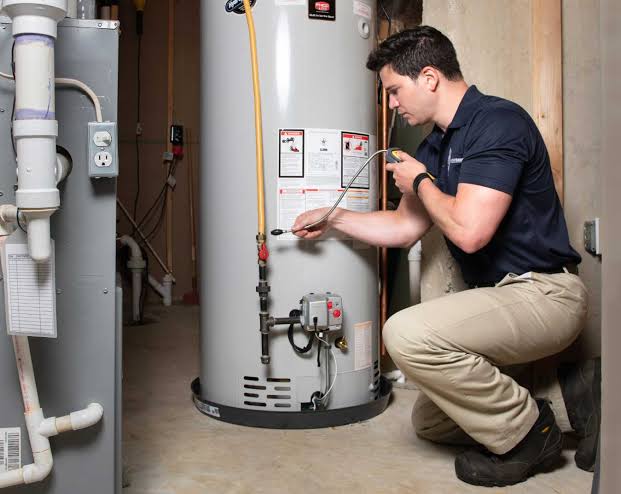
A dependable water heater plays an important role in maintaining comfort and convenience throughout a property. Hot water is needed for bathing, washing dishes, laundry, cleaning, and many other everyday tasks, so an aging or unreliable system can quickly become a source of frustration. Although regular maintenance can extend the life of a water heater, there eventually comes a point when continued repairs may no longer be practical. At that stage, water heater replacement can provide an opportunity to improve reliability, energy efficiency, safety, and overall performance. Understanding the signs of an aging system and the factors involved in choosing a new unit can help property owners make a confident decision.
When Should a Water Heater Be Replaced?
Water heaters do not last forever, and their performance can gradually decline as components experience years of heat, pressure, and repeated operation. One of the clearest signs that replacement may be necessary is the age of the existing system. Older equipment may require increasingly frequent repairs and may no longer operate as efficiently as newer models. If a unit has developed repeated problems despite regular maintenance, replacing it may provide better long-term value than continuing to repair individual components. The decision should be based on the overall condition, reliability, efficiency, and repair history of the system.Another important warning sign is a persistent leak from the tank itself. While some leaks originate from valves, fittings, or connections that can be repaired, corrosion inside the tank can eventually create structural failure. Once the tank has developed significant internal corrosion, repairs may not provide a dependable long-term solution. Water heater replacement can eliminate the risks associated with an aging and damaged tank while providing access to newer technology. A professional inspection can help determine whether a leak is repairable or whether replacing the entire system is the more practical option.
Signs Your Existing System Is Failing
Insufficient hot water is another common indication that a water heater may be approaching the end of its useful life. If the supply of hot water has gradually decreased despite normal household usage, the heating elements, burner, thermostat, or tank may no longer be performing properly. Sediment buildup can also reduce the effective capacity of a tank and make heating less efficient. Although some of these problems can be repaired, repeated performance issues may suggest that the equipment is becoming unreliable. A professional evaluation can help determine whether repair or replacement makes more financial sense.Unusual noises can also indicate that a water heater is experiencing significant internal buildup or component deterioration. Popping, rumbling, cracking, or banging sounds may develop when sediment collects at the bottom of a tank and interacts with heated water. Over time, heavy sediment can reduce efficiency and place additional stress on the system. If cleaning and maintenance no longer resolve the problem, the overall condition of the unit should be evaluated. Repeated noises combined with poor performance, leaks, or rising energy use may indicate that replacement is becoming a reasonable option.
Benefits of Installing a New Water Heater
One of the biggest advantages of water heater replacement is the opportunity to improve energy efficiency. Older systems may lose efficiency as components wear out and sediment accumulates. Newer models may incorporate improved insulation, controls, heating technology, and energy-saving features that allow them to operate more effectively. Better efficiency can reduce unnecessary energy consumption while still providing a dependable supply of hot water. Over the long term, these improvements may help offset part of the initial investment in a new system.A new water heater can also provide greater reliability. Instead of dealing with repeated breakdowns, inconsistent temperatures, or unexpected leaks, property owners can start with a system designed to deliver dependable performance. New equipment may also come with manufacturer warranties that provide additional protection against certain defects or component failures. Reliable hot water can make everyday routines easier and reduce the stress associated with an aging appliance. Choosing a properly sized and professionally installed system is important for achieving these benefits.
Choosing the Right Type of Water Heater
There are several types of water heaters available, and each has different characteristics. Traditional storage tank systems keep a supply of heated water available for use, making them familiar and practical for many households. Tankless systems heat water as it is needed, which can reduce standby heat loss and provide continuous hot water under suitable conditions. Heat pump water heaters use a different approach by transferring heat rather than relying solely on conventional electrical resistance. Each option has advantages and limitations that should be considered carefully.The best choice depends on factors such as hot water demand, available space, energy source, installation requirements, budget, and long-term operating goals. A system that works well for one property may not be appropriate for another. During water heater replacement, a qualified professional can evaluate current usage and recommend a suitable capacity and system type. Choosing based solely on purchase price can result in higher operating costs or insufficient performance. Considering the complete cost of ownership can lead to a more practical long-term decision.
Understanding Water Heater Capacity
Correct sizing is one of the most important parts of selecting a new water heater. A system that is too small may run out of hot water frequently, while an unnecessarily large system can consume more energy and cost more to operate. Household size, bathing habits, appliance usage, and peak hot water demand should all be considered. The goal is to choose equipment that can comfortably meet normal demand without excessive capacity.Professional water heater replacement should include an assessment of actual hot water requirements rather than simply replacing an old unit with one of identical size. Changes in household usage may mean that a different capacity is now more appropriate. For example, renovations, additional occupants, or new water-using appliances can affect demand. A qualified installer can evaluate these factors and help select a system that balances performance, efficiency, and cost.
Energy Efficiency and Operating Costs
The purchase price of a water heater is only one part of the overall cost. Energy consumption can have a significant impact on long-term expenses, especially when the system operates frequently. Older equipment may lose efficiency due to deteriorating components, poor insulation, or sediment buildup. Newer high-efficiency models can provide opportunities to reduce energy use when they are properly selected and installed. Comparing efficiency ratings and expected operating costs can therefore be useful before making a purchase.During water heater replacement, property owners should consider both immediate and long-term expenses. A system with a higher upfront price may provide better efficiency and lower operating costs over its useful life. Manufacturer specifications can provide information about expected energy performance, but installation quality also matters. An improperly installed efficient unit may not deliver its full potential. Professional installation can help ensure that the equipment operates according to its design and safety requirements.
Professional Installation Matters
Installing a water heater involves more than simply connecting a new appliance to existing pipes. Depending on the system, installation may involve water connections, electrical wiring, gas lines, venting, pressure controls, drainage, and other safety components. Incorrect installation can reduce efficiency, cause leaks, or create serious safety hazards. Professional installation helps ensure that the equipment is connected and configured correctly. It also provides an opportunity to identify problems with existing connections that may need attention before the new system is installed.A qualified installer can also ensure that the new unit is properly positioned and accessible for future maintenance. Clearance requirements, ventilation, drainage, and safety controls should all be considered during installation. Professional water heater replacement can therefore provide more than a new appliance; it can establish a properly functioning system designed for long-term use. Taking shortcuts during installation may create problems that cost more to correct later.
Preparing for the Replacement Process
Before replacing a water heater, property owners should understand what the project may involve. The existing system may need to be shut down, drained, disconnected, removed, and transported away. The surrounding area should be accessible so that technicians can work safely and efficiently. If the old unit has leaked, nearby surfaces should also be checked for water damage. Preparing the area can help reduce delays during installation.It is also useful to discuss the expected timeline and installation requirements before work begins. The installer should explain whether existing connections can be reused or whether modifications are necessary. Any changes to electrical, gas, venting, or drainage components should be clearly communicated. Planning ahead can help property owners avoid surprises and ensure that the selected replacement system is compatible with the existing setup.
Repair or Replacement: Which Is Better?
Not every water heater problem requires complete replacement. A relatively new system with a failed thermostat, heating element, valve, or other replaceable component may be worth repairing. If the tank remains structurally sound and the system has a reasonable remaining lifespan, repairing the specific problem may be the most economical option. The decision should consider the cost of repair compared with the age and overall condition of the equipment.However, repeated breakdowns can change the calculation. If an aging system requires frequent service, has developed corrosion, or continues to lose performance despite repairs, water heater replacement may offer better long-term value. Repeatedly replacing individual components can become expensive while leaving the underlying aging system unchanged. A professional assessment can help compare the expected repair costs with the investment required for a new system. This allows property owners to make a decision based on long-term reliability rather than short-term cost alone.
Safety Considerations
Safety should always be a major consideration when replacing a water heater. Gas-powered systems involve combustion and ventilation, while electric systems involve high-voltage components. Tank systems also contain heated water under pressure. Proper safety controls, connections, valves, and installation procedures are essential for preventing dangerous situations. Property owners should not attempt complicated installation work unless they have the appropriate knowledge and qualifications.Professional water heater replacement can ensure that important safety features are installed and tested correctly. Installers can inspect connections, verify controls, and identify conditions that could create future problems. Safety devices should never be removed, bypassed, or modified simply to make the system operate differently. Following manufacturer instructions and applicable requirements is essential for maintaining safe operation. Proper installation provides greater confidence that the new equipment will function reliably.
Maintaining a New Water Heater
Installing a new water heater does not mean maintenance is no longer necessary. Regular attention can help preserve performance and extend the useful life of the equipment. Property owners should monitor for unusual sounds, changes in water temperature, visible leaks, or unexpected increases in energy use. Keeping the area around the appliance accessible can also make inspections easier. Early detection of small problems can prevent them from developing into larger failures.Maintenance requirements vary depending on the type of water heater installed. Tank systems may require attention to sediment and other components, while tankless systems may have different maintenance needs. Manufacturer recommendations should be followed carefully. Professional inspections can also help identify developing issues that may not be obvious during everyday use. Good maintenance practices can protect the investment made during the replacement process and support reliable performance for years.
Making a Long-Term Investment
A new water heater should be viewed as a long-term investment rather than simply another household expense. The right system can provide reliable hot water, improve energy efficiency, reduce emergency repairs, and enhance daily convenience. Although the initial cost may be significant, choosing equipment based on quality, efficiency, capacity, and expected lifespan can provide better value over time. A carefully selected system can also reduce the frustration associated with repeated failures.The success of water heater replacement depends on more than the equipment itself. Proper sizing, professional installation, suitable connections, appropriate settings, and ongoing maintenance all contribute to long-term performance. Property owners should consider the complete picture when evaluating replacement options. A cheaper unit may not always provide the lowest overall cost if it consumes more energy or requires frequent repairs. Looking at expected performance and operating costs can help produce a more informed investment.
Conclusion
Water heaters are essential appliances, but even the most reliable system will eventually reach the end of its useful life. Persistent leaks, insufficient hot water, unusual noises, frequent repairs, rising energy consumption, and significant corrosion are all signs that replacement may need to be considered. Installing a new system can provide improved efficiency, greater reliability, better safety features, and more consistent hot water. The key is to evaluate the condition of the existing equipment and choose a replacement based on actual household needs.Professional water heater replacement can help ensure that the new system is correctly sized, safely installed, and prepared for long-term operation. Property owners should consider efficiency, capacity, system type, installation requirements, operating costs, and maintenance needs before making a final decision. With the right equipment and proper installation, a new water heater can provide dependable performance while reducing the inconvenience and expense associated with an aging system. Careful planning today can result in better comfort, efficiency, safety, and value for years to come.

