

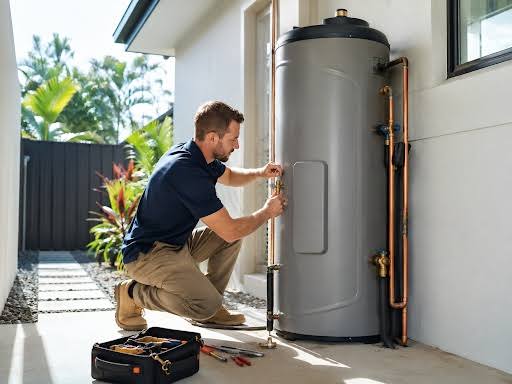
Reliable hot water is an important part of everyday property use, supporting bathing, cleaning, cooking, laundry, sanitation, and many other routine activities. Because hot water equipment operates regularly, its components naturally experience wear over time, and older systems may eventually become less efficient, less reliable, or more expensive to maintain. When a unit begins showing repeated problems, produces inconsistent temperatures, develops leaks, or struggles to meet normal household demand, property owners may need to consider whether continued repairs are practical or whether a complete upgrade would provide a more dependable solution. A properly planned water heater replacement can address an aging system while also giving property owners an opportunity to evaluate equipment capacity, energy use, plumbing connections, safety requirements, and the overall condition of the hot water infrastructure. Understanding the replacement process can help homeowners make informed decisions and prepare their property for reliable performance over the long term.
Recognizing When Replacement May Be Necessary
Determining whether a water heating system should be repaired or replaced requires consideration of several factors rather than relying on the age of the equipment alone. Older units may continue operating effectively when properly maintained, while some systems can develop serious problems earlier because of corrosion, mineral accumulation, poor installation, excessive demand, or inadequate maintenance. Frequent service calls are one indication that replacement may deserve consideration, especially when individual repairs provide only temporary improvements. A system that repeatedly loses hot water, produces unusual sounds, leaks around the tank, or struggles to maintain an appropriate temperature may be showing signs that important internal components are deteriorating. Professional evaluation can help determine whether the issue is limited to a repairable component or reflects broader equipment deterioration.Leaks deserve particular attention because they can range from minor connection problems to serious tank deterioration. If water is escaping from the tank itself, replacement may become necessary because a damaged storage tank generally cannot be restored through a simple component adjustment. Other symptoms, such as rust-colored water, unusual popping or rumbling sounds, inconsistent heating, or declining hot water availability, can also provide useful information about the condition of the system. These symptoms do not automatically mean that replacement is required, but they indicate that professional assessment may be appropriate. Addressing deterioration before a complete failure can also give homeowners more time to compare equipment options and plan installation rather than dealing with an unexpected loss of hot water.
Evaluating Household Hot Water Demand
One of the most important considerations during a replacement project is determining how much hot water the property actually needs. Equipment that is too small may struggle during periods of high demand, resulting in frequent shortages and reduced comfort. On the other hand, selecting a system that is significantly larger than necessary may increase purchase and operating costs without providing meaningful benefits. Household size, bathing patterns, laundry use, dishwasher operation, fixture flow rates, and other hot water requirements should all be considered when evaluating equipment capacity.Demand can also change over time. A property that once had limited hot water requirements may experience increased demand after a renovation, family change, additional bathroom installation, or changes in daily routines. This makes replacement an opportunity to reassess the entire hot water system instead of simply selecting a new unit based on the specifications of the old one. Professional technicians can evaluate current usage and available infrastructure to help determine an appropriate capacity. This approach can improve performance and reduce the likelihood that a newly installed system will be unable to meet actual household requirements.
Choosing an Appropriate Equipment Type
Modern hot water systems are available in several configurations, and each option has different installation and operating characteristics. Traditional storage systems keep a supply of heated water available in a tank, making them familiar to many property owners and suitable for a wide range of applications. Tankless systems heat water as it is needed, which can provide a different approach to hot water production and may be appropriate for properties with specific usage patterns or space considerations. Heat pump water heating technology is another option that uses heat transfer principles to heat water and can offer different energy performance characteristics depending on the property and installation conditions.The appropriate equipment type depends on more than personal preference. Available space, fuel source, electrical capacity, venting requirements, plumbing configuration, household demand, installation costs, and expected usage should all be considered. A professional evaluation can help identify which systems are compatible with the property and whether additional modifications will be necessary. Selecting equipment solely because it has attractive specifications can create problems if the existing plumbing, electrical, gas, or ventilation infrastructure cannot support the installation. Compatibility should therefore be treated as an essential part of the selection process.
Preparing for Installation
A successful replacement project begins with proper preparation. Before removing existing equipment, a technician may need to inspect the surrounding plumbing, shutoff valves, connections, drainage provisions, electrical components, gas lines, and ventilation arrangements, depending on the equipment type. The installation area should also be evaluated for accessibility and safety. Older systems may have connections or components that no longer meet current installation requirements, meaning that replacement can involve more than disconnecting the old unit and connecting a new one.Preparation also provides an opportunity to identify conditions that could affect long-term performance. Corroded valves, deteriorated pipes, damaged fittings, inadequate supports, or outdated connections may need attention before the new equipment is installed. Addressing these concerns during the project can be more practical than installing new equipment while leaving known weaknesses elsewhere in the system. Proper preparation helps create a stronger installation and reduces the risk that an old plumbing problem will interfere with the performance of the new water heating equipment.
Understanding Installation Requirements
Professional installation is important because water heating equipment combines plumbing with other systems and safety considerations. Depending on the equipment selected, installation may involve water supply connections, temperature and pressure protection, electrical wiring, gas connections, combustion ventilation, drainage, or other components. Each part needs to be installed correctly so the system can operate safely and consistently. Incorrect connections or inadequate installation practices can create performance problems and may reduce equipment life.The installation process should also account for manufacturer requirements and the physical characteristics of the property. Equipment must be positioned appropriately, connections should be properly secured, and required clearances should be maintained. When applicable, ventilation and combustion requirements need to be addressed carefully. A qualified professional can evaluate these details before installation and make sure the new system is integrated properly with the property’s existing infrastructure. This level of attention can help reduce problems that might otherwise appear shortly after installation.
Considering Energy Efficiency
Energy efficiency is another important factor when replacing aging equipment. Older systems may consume more energy because of outdated technology, declining performance, heat loss, or inefficient operating conditions. Newer equipment can offer different efficiency characteristics, but the actual benefits depend on equipment selection, usage patterns, installation quality, maintenance, and the property’s existing infrastructure. Homeowners should therefore consider efficiency as part of a broader evaluation rather than focusing only on a single performance rating.Reducing unnecessary energy use can also involve improvements beyond the equipment itself. Insulating appropriate hot water piping, reducing excessive water waste, addressing leaks, and maintaining suitable temperature settings can all contribute to more efficient operation. During a replacement project, homeowners can discuss these considerations with a professional to determine which improvements make sense for their particular system. A well-designed installation should balance equipment performance with practical household requirements.
Addressing Plumbing and Water Quality
Water quality can have a significant effect on hot water equipment. Hard water and mineral accumulation can contribute to scale buildup, which may affect heating performance and reduce efficiency over time. Sediment can also accumulate within storage tanks and may contribute to unusual noises or reduced operating performance. These conditions do not necessarily mean the equipment was poorly manufactured; they can reflect the characteristics of the water entering the property.During replacement planning, it can be useful to consider whether existing water conditions may affect the new equipment. Depending on the situation, maintenance practices, filtration, water treatment, or other measures may help protect the plumbing system and hot water equipment. Professional advice can help determine whether water quality is contributing to recurring problems. Addressing the cause rather than repeatedly treating the symptoms may provide better long-term results and help protect the investment in new equipment.
Benefits of Professional Evaluation
Professional evaluation provides more value than simply identifying whether the old unit is working. A technician can examine the complete hot water system and identify conditions that may influence replacement decisions. This may include reviewing the age and condition of existing equipment, evaluating hot water demand, checking plumbing connections, assessing available electrical or fuel infrastructure, and identifying installation concerns. Such an evaluation allows homeowners to understand what is involved before committing to a particular equipment type.Professional guidance can also help prevent mismatched equipment. For example, a unit may appear attractive because of its capacity or efficiency rating but may not be suitable for the property’s available infrastructure. Installation limitations may also affect the total project cost. Understanding these factors before purchasing equipment can reduce surprises and help homeowners establish realistic expectations for the project. A properly evaluated replacement can provide a more predictable path from equipment selection through installation and final testing.
Maintaining the New System
Replacement should not be viewed as the end of hot water system care. New equipment still requires appropriate maintenance to preserve performance and identify developing problems. Property owners should monitor the system for unusual noises, leaks, temperature changes, pressure concerns, or other deviations from normal operation. Manufacturer-recommended maintenance should be followed, and professional service should be arranged when a problem cannot be safely or accurately diagnosed by the homeowner.Regular attention can also help identify small issues before they become major failures. A minor leak around a connection, for example, may be easier to correct than a problem that has continued unnoticed for months. Likewise, unusual operating sounds or changes in heating performance may provide early indications that service is needed. Keeping records of installation details, maintenance visits, repairs, and equipment information can also make future service more efficient because technicians can better understand the history of the system.
Planning for Long-Term Reliability
A successful hot water upgrade should be approached as an investment in the property’s overall plumbing performance. The equipment itself is important, but reliable operation also depends on proper sizing, installation, water quality, plumbing condition, maintenance, and household usage. When these factors are considered together, property owners can create a system that is better suited to current needs and more prepared for future changes. Planning also makes it easier to identify related improvements that may be appropriate during installation. Long-term planning can be particularly useful when a property has older plumbing infrastructure. Replacing a water heater may reveal deteriorated shutoff valves, aging supply lines, corrosion, or other conditions that deserve attention. Addressing related concerns at the appropriate time can help prevent the new equipment from being connected to a system with known weaknesses. Property owners can discuss these conditions with a professional and prioritize repairs based on urgency, system condition, and future plans.
Conclusion
Replacing aging hot water equipment is an important property improvement that should be based on system condition, household demand, installation requirements, efficiency considerations, and long-term reliability. Repeated repairs, leaks, inconsistent temperatures, unusual noises, declining performance, and aging equipment can all indicate that it is time to evaluate whether continued repair is practical. A professional assessment can provide useful information about the existing system and help determine whether replacement or another repair strategy is appropriate.A properly planned water heater replacement can also provide an opportunity to improve the overall hot water system rather than simply exchange one piece of equipment for another. By selecting suitable equipment, evaluating existing plumbing and utility connections, addressing water quality concerns, and following appropriate maintenance practices, property owners can support dependable hot water performance for years to come. Careful planning and professional installation help ensure that the new system is properly integrated with the property, while ongoing maintenance can protect its performance and identify developing concerns before they become disruptive failures.

