

Luxury buyers make decisions quickly. Sometimes it takes only a few seconds. If the cabin feels plain, the screen is clunky, or the exterior looks a step behind the times, interest can fade before the test drive even begins.
Today, design is tied to comfort, pride of ownership, resale confidence, and the simple pleasure of getting behind the wheel every day.
JD Power notes that “Owner satisfaction with new-vehicle design and performance has rebounded … overall satisfaction is 847 (on a 1,000-point scale), an increase of 2 points from a year ago.”
That is exactly why premium automotive design has moved from a nice bonus to a serious buying factor.
Shaping First Impressions in Premium Automotive Design
In the luxury segment, design is often the first sales pitch. Before you ask about horsepower or financing, you notice the stance, the cabin layout, the materials, the screens, and even the way the vehicle seems to carry itself.
Houston Buyers and Luxury Expectations
Houston has its own luxury car personality. Long commutes, broad highways, business districts, medical centers, upscale neighborhoods, and a strong professional culture all shape what buyers expect. Comfort matters. Presence matters too.
For shoppers comparing refined interiors, confident exterior styling, and a smoother ownership experience, a Genesis dealership in Houston fits naturally into the conversation, as Genesis of West Houston brings together polished vehicle presentation, local convenience, service scheduling, and luxury-focused sales guidance.
Luxury and Customization
Luxury buyers want a vehicle that feels personal, but not loud for the sake of being loud. Seat stitching, wheel design, trim finishes, color palettes, and cabin textures now carry real emotional weight.
Sometimes those details matter more than numbers on a spec sheet. You feel them every day.
Technology With Visual Identity
Big screens alone do not impress anymore. The interface has to look clean, respond quickly, and blend with the cabin’s personality. If the tech feels out of place, the whole interior can feel unfinished.
Once that first impression lands, buyers start asking a sharper question: which design choices actually feel modern right now?
The Latest Luxury Car Design Trends Dominating 2026
The strongest design trends in 2026 point toward quieter, more deliberate luxury. Flash has not disappeared, of course. But restraint is having a moment.
Sustainable Materials and Ethical Manufacturing
Luxury brands are using recycled fabrics, lower-impact leather processes, and responsibly sourced metals. The challenge is making these materials feel premium, not like a compromise.
When done well, sustainability adds depth to the story. It says the brand is paying attention.
Personalized In-Car Experiences
Ambient lighting, seat memory, scent systems, sound settings, and drive profiles are turning cabins into more personal spaces. The goal is not just to impress passengers. It is to make you feel settled the moment the door closes.
Minimalist Aesthetics With Futuristic Interfaces
Clean dashboards and fewer physical buttons can create a calm, elegant cabin. But there is a fine line. If simple tasks are buried three menus deep, minimalism turns into irritation fast.
Sustainability, personalization, and restraint are not passing fads. They show how luxury buyers are changing their definition of value.
Brands Leading the Way in Car Design for the Luxury Market
The best luxury brands do more than follow trends. They turn design ideas into vehicles people remember. That is where luxury car design trends become more than showroom language.
Genesis and Redefined Elegance
Genesis has built momentum with athletic proportions, signature lighting, and composed interiors. Its design language gives newer luxury shoppers something fresh without leaning too heavily on old prestige formulas.
European Icons vs. Asian Innovators
European luxury brands often draw power from heritage, precision, and recognizable design cues. Asian luxury brands, meanwhile, tend to move quickly with interior layouts, lighting signatures, and technology presentation.
| Design Approach | Common Strength | Buyer Appeal |
| Heritage luxury | Familiar shapes and proven identity | Trust and status |
| New luxury brands | Fresh styling and value-rich features | Discovery and individuality |
| Electric luxury | Smooth proportions and open cabins | Quiet confidence and modern taste |
Electric Luxury and New Proportions
EV platforms are giving designers more freedom. Shorter overhangs, flatter floors, and more open cabins allow brands to rethink comfort, storage, and the overall mood inside the vehicle.
Great design is easy to see on the showroom floor. Its business value, though, runs much deeper.
The Business Value of Exceptional Design
When design creates emotion and strengthens brand identity, it becomes a sales tool. That is the real importance of design in cars for premium brands.
Emotional Appeal and Visual Storytelling
A luxury vehicle should communicate before anyone says a word. The grille, lighting, cabin scent, seat texture, and material choices all tell a story about taste, confidence, and attention to detail.
Loyalty and Price Strength
Euromonitor reports that “In 2025, premium and luxury cars in the US witnessed an 8% rise in retail value sales, reaching USD 157 billion.”
That growth shows why design-led differentiation matters for pricing power and repeat business.
Brand Identity in Every Detail
A badge can help, but it cannot rescue a forgettable profile or a weak interior. Consistent design language helps buyers recognize a brand quickly and remember how it made them feel.
Strong design creates value. New technology is now changing how quickly brands can develop and refine it.
New Design Tech Shaping Premium Automotive Aesthetics
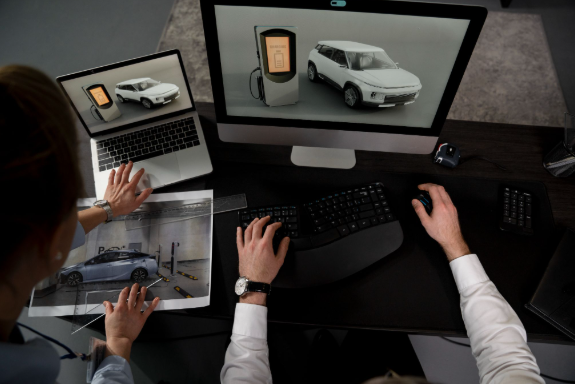
Modern vehicle design depends on digital tools as much as sketchbooks, clay models, and old-fashioned taste. Still, the end goal is human: the car has to feel right.
AI and Digital Prototyping
Design teams can test shapes, airflow, lighting effects, and cabin layouts earlier in the process. That saves time and gives more ideas a chance to reach production-ready quality.
Lighting and Active Exterior Elements
Animated lighting, adaptive air features, and flush surfaces help luxury vehicles create a signature look. Done badly, they feel gimmicky. Done well, they become part of the car’s identity.
Technology can sharpen design work, but long-term leadership takes more than new tools.
Future-Proofing Luxury Car Design
Innovation only matters if a brand can repeat it with discipline. That means research, patience, and enough confidence not to chase every trend that flashes across the market.
Artists, Designers, and Technologists Working Together
Luxury automotive teams are borrowing ideas from fashion, architecture, gaming, furniture, and product design. Those outside influences can make a cabin feel warmer, smarter, and more original.
Data-Informed Personalization
Shopping behavior, color demand, option take rates, and owner feedback help brands refine their choices. The tricky part is using data without making every vehicle feel predictable or lifeless.
Design-Forward Retail Experiences
The showroom has to support the vehicle’s story. Lighting, space, staff knowledge, digital tools, and even the pace of the visit shape whether buyers believe in the design message.
Once you know what strong design looks and feels like, shopping becomes a lot easier.
Making the Right Choice When Shopping for Premium Automotive Design
Good taste helps, but smart buying means turning that taste into clear decisions. Do not rush it. Sit in the vehicle. Touch the materials. Try the controls. Compare carefully.
Quality, Craftsmanship, and Customization
Look at the stitching, switch feel, screen placement, seat comfort, trim alignment, and paint depth. Good design should still feel good after the first few minutes of excitement fade.
Dealer Experience and Expert Guidance
A knowledgeable advisor can explain material choices, trim differences, technology packages, and long-term care. That guidance matters when you are comparing automotive market design across several premium brands.
Resale Value and Timelessness
Bold colors and extreme styling can be fun, but they may age quickly. Balanced proportions, durable materials, and a clear brand identity usually hold appeal longer in the car design in the luxury market segment.
With the buying criteria clearer, let’s cover a few common questions shoppers often ask.
Final Thoughts on Design’s Premium Power
The premium auto market is not just selling transportation. It is selling taste, comfort, identity, and confidence. Strong design shapes first impressions, supports brand value, and makes daily driving feel more rewarding.
From materials and lighting to technology and dealer presentation, every detail matters. If you study premium automotive design closely, you are more likely to choose a vehicle that still feels special years from now. The best move? See it in person, sit with it for a while, and let the details do the talking.
Smart Questions About Luxury Automotive Design
What are the 3 C’s in the automotive industry?
The 3 C’s are customer, competition, and company. In design terms, that means understanding what buyers want, watching where rival brands are headed, and staying true to the brand’s own identity instead of copying every trend.
What are the three most important factors that have influenced modern vehicle design?
Technology, sustainability, and personalization have had the biggest impact on modern vehicle design. Screens changed interiors, lower-impact materials changed cabins, and demand for unique details changed how brands package trims, colors, lighting, and comfort features.
How does design affect long-term luxury car value?
Design affects value because buyers remember beauty, comfort, and quality. A vehicle with balanced proportions, durable materials, and a strong identity often stays desirable longer than one built around short-lived styling tricks.

