

Introduction
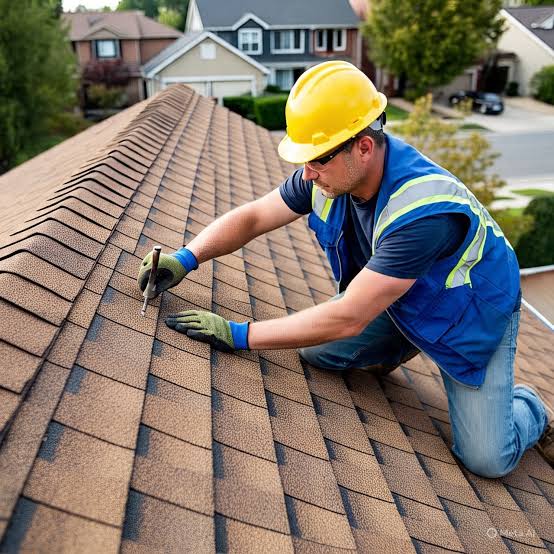
A roof is one of the most important components of any home because it protects the structure, belongings, and occupants from changing weather conditions while contributing to energy efficiency, comfort, and overall property value. Over time, however, even a well-maintained roof begins to deteriorate because of continuous exposure to sunlight, rain, wind, temperature fluctuations, and other environmental factors. When roofing materials reach the end of their useful life, repairs may no longer provide a reliable or cost-effective solution. In such situations, replacing the existing roof becomes an important investment in the property’s long-term safety and performance. Asphalt shingles remain a popular roofing choice because they combine affordability, attractive designs, dependable weather protection, and relatively straightforward installation.
Understanding the process of asphalt shingle roof replacement helps homeowners make informed decisions about roofing materials, installation methods, project costs, and ongoing maintenance. A successful replacement involves more than simply removing old shingles and installing new ones. It requires a careful inspection of the roof structure, selection of appropriate materials, proper preparation of the roof deck, installation of protective underlayment, and attention to ventilation and drainage. Each stage contributes to the roof’s durability and ability to protect the home. By learning what to expect before, during, and after a roofing project, homeowners can avoid common mistakes, identify quality workmanship, and make choices that support lasting performance.
Understanding Asphalt Shingle Roofing
Asphalt shingles are manufactured roofing materials commonly used on residential properties because of their practical combination of cost, durability, and visual appeal. Most asphalt shingles consist of a fiberglass base mat coated with asphalt and covered with mineral granules that help protect the material from ultraviolet radiation and weather exposure. The fiberglass reinforcement provides structural stability, while the asphalt coating contributes to water resistance. The mineral granules also give shingles their color and textured appearance, allowing homeowners to coordinate their roofs with exterior walls, siding, windows, and other architectural features.
One of the main advantages of asphalt shingles is their versatility. They are available in numerous colors, profiles, and designs, making them suitable for many architectural styles. Three-tab shingles generally offer a simple, uniform appearance, while architectural shingles provide greater dimensional depth and a more substantial visual effect. Premium designer shingles can imitate the appearance of slate or other high-end roofing materials without requiring the same structural considerations or expense. Depending on the selected product, installation quality, ventilation, climate, and maintenance practices, an asphalt shingle roof may provide several decades of service.
Although asphalt shingles are designed to withstand ordinary weather conditions, they are not immune to aging or damage. Prolonged sunlight can gradually weaken the asphalt coating, strong winds can loosen shingle edges, and accumulated moisture can contribute to deterioration in vulnerable areas. Poor ventilation may also increase roof temperatures and accelerate material aging. Recognizing these limitations helps homeowners understand why regular inspections and timely replacement are essential for maintaining a reliable roofing system.
Signs That Your Roof May Need Replacement
Identifying roofing problems early can prevent minor defects from developing into more expensive structural issues. One of the most noticeable warning signs is widespread shingle damage, including curling edges, cracked surfaces, missing sections, or shingles that have become brittle with age. Some granule loss is normal as roofing materials age, but excessive granules collecting in gutters or near downspouts may indicate that the protective surface is wearing away. When these problems appear across large portions of the roof, replacing individual shingles may no longer provide a dependable long-term solution.
Water stains on ceilings, damp insulation, peeling interior paint, and unexplained moisture in the attic can also indicate roofing problems. However, these symptoms do not automatically mean that the entire roof needs replacement because leaks may originate from damaged flashing, blocked drainage channels, plumbing penetrations, or localized shingle failures. A professional inspection can determine whether the problem is isolated or part of a broader pattern of deterioration. If moisture has repeatedly entered the roof structure, the inspection should also evaluate the decking, rafters, insulation, and other materials that may have been affected.
The age of the existing roof is another important consideration. Asphalt shingle products have different expected service lives, so homeowners should consult the original product specifications rather than relying on a single universal lifespan. Previous repairs, installation quality, weather exposure, and attic ventilation can significantly affect actual performance. If the roof is approaching the end of its expected service life and has several signs of deterioration, planning a replacement before serious leakage occurs can reduce the risk of emergency repairs and interior damage.
Benefits of Replacing an Aging Roof
Replacing an aging roof offers several benefits beyond improving the home’s appearance. The most important advantage is restoring reliable protection against rain, wind, and other environmental conditions. New shingles, properly installed underlayment, and correctly fitted flashing work together to direct water away from vulnerable areas. This layered protection helps reduce the likelihood of leaks that could damage ceilings, wall finishes, insulation, electrical components, and structural wood. A new roofing system can also provide peace of mind by reducing concerns about recurring problems caused by worn or damaged materials.
Another significant benefit is improved curb appeal. Since the roof covers a substantial portion of a home’s exterior, its color, texture, and overall condition strongly influence the property’s appearance. New shingles can make an older home look better maintained and create a more cohesive exterior design. Choosing a suitable color and profile can complement existing architectural details while helping the property maintain its visual appeal. Although the effect on resale value varies according to the housing market and the quality of the installation, a well-documented roofing replacement can make a property more attractive to potential buyers.
A replacement project also provides an opportunity to correct underlying problems that may have developed over the years. Contractors can inspect the roof deck, improve flashing details, address ventilation deficiencies, and replace damaged components before installing the new shingles. These improvements are particularly valuable when the previous roofing system suffered from recurring leaks or premature deterioration. Homeowners considering asphalt shingle roof replacement should evaluate the condition of the complete roofing assembly rather than focusing exclusively on the visible shingle surface, because the performance of the entire system depends on how its individual components work together.
Choosing the Right Asphalt Shingles
Selecting the right shingles requires balancing budget, appearance, durability, and the environmental conditions the roof must withstand. Three-tab shingles are generally a budget-conscious option with a relatively flat and uniform appearance. They can be suitable for homeowners seeking a straightforward roofing solution, provided the product meets the property’s structural requirements and applicable building standards. However, their design and performance characteristics may differ from those of more advanced shingle products, so homeowners should compare specifications instead of choosing solely on initial price.
Architectural shingles are a popular alternative because they feature multiple laminated layers that create a dimensional appearance. Depending on the product, they may offer improved wind resistance, a longer warranty, or other performance advantages compared with basic shingles. Premium shingles provide additional design options and can replicate the appearance of more expensive roofing materials. These products may carry a higher initial cost, making it important to assess whether their aesthetic and performance benefits justify the investment.
Homeowners should also consider product ratings, wind-resistance classifications, fire ratings, warranty conditions, and manufacturer installation requirements. Not every shingle is appropriate for every roof slope or environmental exposure. Color is another practical consideration because darker and lighter roofing surfaces can absorb or reflect different amounts of solar energy, although the overall effect on indoor comfort depends on insulation, ventilation, climate, and other building features. A qualified roofing professional can help compare available products and recommend materials that provide a suitable balance of price, appearance, and expected service life.
The Importance of Professional Roof Inspection
A detailed roof inspection establishes the condition of the existing roofing system and helps determine the most appropriate replacement strategy. During this assessment, the contractor should examine shingle wear, flashing, roof valleys, ridge caps, eaves, gutters, and areas surrounding chimneys, vents, skylights, and other penetrations. These locations deserve particular attention because changes in roof direction and interruptions in the shingle surface can create vulnerable points where water may enter if the materials are damaged or incorrectly installed.
The inspection should also include the roof deck whenever it is accessible and safe to assess. Soft spots, visible sagging, water stains, damaged wood, and signs of previous leakage may indicate that some sections require repair before new shingles can be installed. Covering deteriorated decking with new roofing materials does not solve the underlying problem and may compromise the new system’s stability. If structural damage is suspected, additional evaluation may be necessary to determine the appropriate repairs.
Attic ventilation and insulation should also be reviewed as part of the assessment. Inadequate ventilation can contribute to excessive heat and moisture accumulation, while air leakage from the living space may create condensation problems under certain conditions. Addressing these issues during replacement can help protect the new roof and improve the building’s overall performance. A comprehensive inspection therefore provides a foundation for accurate budgeting, appropriate material selection, and a more reliable installation plan.
Preparing for the Roof Replacement Process
Proper preparation helps roofing work proceed efficiently while reducing disruption to household activities. Before work begins, homeowners should discuss the project schedule, material delivery, debris removal, property protection, and access requirements with the contractor. Outdoor furniture, decorative items, garden equipment, and vehicles should be moved away from the immediate work area where practical. Because roofing projects involve falling debris and equipment movement, children and pets should remain clear of the construction zone throughout the installation.
The contractor should explain how landscaping, windows, siding, and outdoor fixtures will be protected during tear-off and material handling. It is also useful to discuss how old roofing materials will be collected and disposed of, whether recycling options are available, and how the property will be cleaned at the end of each workday. Roofing nails can travel beyond the immediate work area, so a final cleanup and careful ground inspection are important parts of a professional project.
Weather conditions must be considered when scheduling the installation. Rain, strong winds, and other unfavorable conditions can interrupt roofing work and expose unfinished areas to moisture. A responsible contractor should have a clear plan for protecting the roof if the project cannot be completed in one day. Homeowners should also confirm the scope of work in writing, including material specifications, removal of existing layers, decking repairs, flashing, ventilation components, cleanup, payment terms, and warranty information. Clear expectations help prevent misunderstandings and make it easier to evaluate the quality of the completed work.
Step-by-Step Roof Replacement Process
The replacement process typically begins with the removal of old shingles and other roofing materials that are included in the project scope. Contractors use specialized tools to strip the existing roof while managing debris and protecting surrounding property. Removing the old roofing system allows the underlying deck to be inspected more thoroughly and provides an opportunity to identify hidden damage. Although some roofs may qualify for an additional shingle layer under applicable requirements, complete removal often makes it easier to assess the substrate and correct problems before the new materials are installed.
Once the old materials have been removed, the roof deck is examined for damaged, rotten, or unstable sections. Any necessary repairs should be completed before the installation proceeds. The contractor then installs the specified underlayment and other required water-protection components according to the manufacturer’s instructions and applicable building codes. Ice-barrier materials may be required in certain climates or roof locations, while specialized flashing protects transitions and penetrations that are particularly susceptible to water intrusion.
Next, the contractor installs the shingles according to the product’s fastening pattern, alignment requirements, and exposure specifications. Correct nailing is essential because misplaced or insufficient fasteners can reduce wind resistance and contribute to premature failure. Shingles must also be arranged properly around roof valleys, edges, ridges, and penetrations to maintain effective water shedding. Ventilation components, ridge caps, and flashing details are completed as required by the roofing design.
After installation, the contractor should inspect the finished roof, remove debris, collect loose nails, and verify that the work matches the agreed scope. Homeowners should receive documentation covering the materials used, workmanship warranty, manufacturer warranty, maintenance recommendations, and any relevant inspection or permit records. A careful final review helps confirm that the project has been completed properly and that any outstanding concerns are addressed before final payment.
Understanding Roofing Costs and Budget Considerations
The cost of replacing a roof depends on several variables, including roof size, slope, design complexity, shingle type, labor rates, accessibility, and the condition of the underlying structure. A simple roof with few penetrations and limited height may require less labor than a steep, multi-level roof containing numerous valleys, dormers, skylights, and chimneys. Material prices also vary according to product quality, availability, transportation, and regional market conditions. Consequently, comparing estimates requires more than looking at the final quoted amount.
Existing roof removal can represent a substantial portion of the project budget, particularly when multiple layers must be removed or when disposal costs are high. Additional expenses may arise if the contractor discovers damaged decking, deteriorated flashing, inadequate ventilation, or other concealed issues. Homeowners should ask whether estimates include these potential costs and how unexpected repairs will be approved and priced. Setting aside a reasonable contingency can help manage surprises without compromising necessary work.
Obtaining several detailed estimates is a useful way to compare contractors and understand the available options. Each estimate should describe the proposed shingles, underlayment, flashing, ventilation components, tear-off procedures, cleanup, labor, and warranty coverage. Extremely low bids may omit essential work or rely on lower-quality materials, while the most expensive estimate is not automatically the best choice. A fair comparison considers the full scope of work, the contractor’s qualifications, the quality of materials, and the clarity of the agreement. Investing in appropriate materials and professional installation can reduce the likelihood of avoidable repairs and premature replacement.
Common Mistakes to Avoid During Roof Replacement
One common mistake is selecting a contractor based entirely on price. Although controlling expenses is important, roofing work requires technical knowledge, suitable equipment, and careful attention to installation details. Poor workmanship can lead to leaks, loose shingles, damaged flashing, and other problems that may cost more to correct than the initial savings. Homeowners should verify licensing where required, insurance coverage, references, written estimates, and relevant experience before making a decision. It is also wise to review warranty terms carefully rather than assuming every contractor provides the same protection.
Another mistake is installing new shingles without adequately evaluating the roof deck or ventilation system. Damaged decking can undermine the fasteners that secure the shingles, while poor attic ventilation may contribute to excessive heat or moisture buildup. Similarly, overlooking flashing around chimneys, vents, and valleys can leave the roof vulnerable even when the visible shingles appear new. A complete replacement should address these essential components rather than focusing only on the outer roofing layer.
Choosing unsuitable materials or ignoring manufacturer instructions can also reduce roof performance. Shingles have specific requirements for slope, fastening, installation temperature, and other conditions. Deviating from these requirements may affect product performance or warranty eligibility. Homeowners should avoid making decisions based solely on appearance and should instead consider the roof’s design, expected weather exposure, and long-term maintenance needs. Careful planning and qualified installation help prevent problems that might otherwise remain hidden until the roof experiences severe weather.
Maintaining Your New Roof for Long-Term Performance
Although a newly installed roof requires less immediate attention than an aging one, regular maintenance remains important. Periodic visual inspections can help identify missing shingles, damaged flashing, clogged gutters, or other issues before they develop into larger problems. Inspections are especially valuable after severe weather, when strong winds, heavy rainfall, or falling branches may have affected the roofing system. Any work involving steep surfaces or elevated areas should be handled by qualified professionals rather than attempted without suitable safety equipment and training.
Keeping gutters and downspouts clear helps direct rainwater away from the roof edges and building foundation. Leaves, branches, and other debris should be removed from areas where they accumulate, particularly near roof valleys and drainage points. However, cleaning methods should be appropriate for the roofing material because aggressive pressure washing, abrasive tools, or harsh chemicals can damage shingle surfaces and dislodge protective granules. Homeowners should follow manufacturer recommendations when selecting cleaning or maintenance methods.
Attic conditions deserve ongoing attention as well. Signs of condensation, unusual humidity, damaged insulation, or persistent heat buildup may indicate ventilation or air-sealing issues that require investigation. Trees near the house should be maintained to reduce the risk of falling branches and excessive debris accumulation. Promptly addressing minor defects can help preserve the roof’s performance and reduce the likelihood of water entering the building. Keeping inspection records, repair invoices, product details, and warranty documents organized also makes future maintenance easier and supports informed decisions about the roof’s condition.
How to Choose a Reliable Roofing Contractor
Choosing a dependable contractor is one of the most important decisions in a roofing project because installation quality directly affects durability and weather resistance. Homeowners should look for professionals with relevant experience, appropriate insurance, and any licenses or registrations required by local regulations. References from previous customers can provide insight into communication, scheduling, workmanship, and the contractor’s response to problems after installation. Online reviews may also be helpful, but they should be considered alongside other evidence rather than treated as the sole measure of reliability.
A professional contractor should provide a written estimate that clearly identifies the proposed materials, installation methods, expected schedule, payment arrangements, and responsibilities for debris removal. The agreement should also explain how unexpected repairs will be handled and whether the contractor offers a separate workmanship warranty. Manufacturer warranties may cover specific product defects under defined conditions, but they do not necessarily cover installation errors, inadequate maintenance, or every form of weather damage. Understanding these distinctions helps homeowners set realistic expectations about their protection.
Communication is equally important. A reliable contractor should be willing to answer questions, explain the reasoning behind material recommendations, and describe how the project will be managed if weather or concealed damage causes delays. Before signing an agreement, homeowners should confirm that the proposed work complies with applicable building requirements and the selected manufacturer’s installation instructions. Taking time to evaluate qualifications and documentation can reduce the risk of disputes and help ensure that the finished roof provides the expected level of protection.
Conclusion
A well-maintained roof plays a crucial role in protecting a home, preserving indoor comfort, and supporting the long-term value of the property. When shingles become worn, widespread damage develops, or recurring leaks indicate that the existing roofing system has reached the end of its useful life, replacement may offer a more dependable solution than repeated repairs. The best results come from understanding the available materials, evaluating the roof’s condition, planning the project carefully, and choosing a qualified contractor who follows established installation practices.
A successful asphalt shingle roof replacement involves more than installing a fresh layer of shingles. It requires attention to the roof deck, underlayment, flashing, ventilation, fastening methods, drainage, and final inspection. Each component contributes to the performance of the complete roofing system, making proper workmanship and suitable material selection essential. Homeowners who compare detailed estimates, review warranty conditions, and address underlying problems before installation can make more confident decisions about their investment.
After the work is complete, regular inspections and timely maintenance help preserve the roof’s condition and identify potential issues before they become costly repairs. Keeping drainage systems clear, monitoring attic conditions, and arranging professional evaluations when damage is suspected can support lasting performance. With thoughtful planning, quality materials, and consistent care, an asphalt shingle roof can provide reliable protection, enhance the home’s appearance, and offer lasting value for years to come.

