

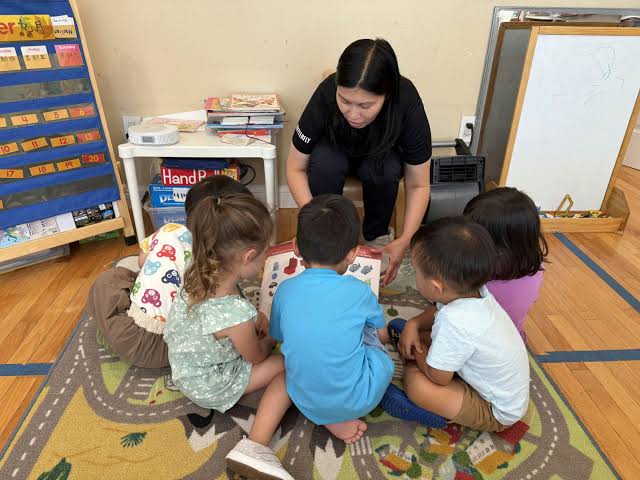
The school day may end in the afternoon, but a child’s opportunities to learn do not stop when the final bell rings. The hours between school dismissal and a parent’s return from work can offer valuable time for creative exploration, social interaction, physical activity, and growing independence. The quality of that experience, however, depends on how thoughtfully the time is organized.
For families in South San Jose, choosing an after-school program means balancing practical needs with a child’s well-being. A dependable program should provide appropriate supervision while giving children room to recharge, connect with peers, and pursue interests that complement their classroom education.
Why After-School Experiences Matter
Elementary school students spend much of the day following instructions, completing assignments, and navigating structured classroom expectations. After school, they often benefit from a different rhythm one that combines purposeful activities with opportunities to relax.
A well-designed program can reinforce learning without extending the school day unnecessarily. A group science activity may encourage children to test ideas and ask questions. Collaborative games can develop communication and cooperation, while art projects allow children to express themselves in ways that traditional academic tasks may not.
These experiences are most useful when they respect children’s energy levels. An afternoon packed with compulsory activities may leave students exhausted rather than engaged. Quality after-school care balances enrichment with downtime.
What to Look for in an After-School Program
1. A Balance of Learning and Recreation
Look for a program that offers varied experiences instead of focusing exclusively on homework or entertainment. Reading time, creative projects, outdoor games, and hands-on learning can serve different developmental needs.
Ask how activities change across the week and whether children have meaningful choices. A student who spends the morning working on mathematics may appreciate an afternoon of building, drawing, or physical play.
Academic support can also be helpful, particularly when children need a quiet place to complete assignments. However, parents should clarify whether staff provide direct homework assistance or simply supervise independent work. Those services are not interchangeable.
2. Qualified Staff and Consistent Supervision
Children need attentive adults who can maintain safe boundaries while encouraging independence. During a visit, observe how staff communicate with students, handle disagreements, and redirect behavior.
Ask about staff training, background checks, group sizes, emergency procedures, and the process for releasing children to authorized adults. Confirm that the program follows applicable California licensing requirements and supervision standards for its specific setting.
Consistency matters, too. Familiar caregivers can help children feel comfortable, recognize individual needs, and establish predictable routines after a busy school day.
3. Opportunities for Social and Emotional Growth
After-school settings bring together children who may have different interests, personalities, and friendship groups. Shared activities give them opportunities to practice taking turns, resolving disagreements, and working toward common goals.
For example, a team challenge involving construction materials may require children to listen to different ideas before agreeing on a design. With appropriate guidance, even minor conflicts can become opportunities to develop patience and problem-solving skills.
Ask how staff respond when a child feels excluded, becomes frustrated, or prefers quieter activities. A supportive program makes room for different temperaments rather than expecting every student to participate in the same way.
4. Convenient Scheduling and Reliable Transportation
Practical details can determine whether an otherwise excellent program works for a family. Confirm pickup times, holiday schedules, late-pickup policies, and procedures for unexpected school closures.
Transportation deserves particular attention. If the program collects children from school, ask about authorized pickup arrangements, supervision during transit, and what happens when school dismissal times change.
Families considering Afterschool Care in South San Jose CA can use these questions when evaluating whether a program’s location, schedule, and activities fit their child’s needs.
How Parents Can Assess Program Quality
A tour provides an opportunity to see how the afternoon actually unfolds. If possible, visit while children are participating in regular activities rather than relying solely on written descriptions.
Notice whether spaces are clean and organized, equipment is age-appropriate, and children can access both active and quieter areas. Ask what a typical afternoon looks like, including snack time, homework, recreation, and transitions between activities.
It is also worth speaking with staff about family communication. Parents should understand how they will receive updates about participation, behavioral concerns, injuries, or changes to pickup arrangements.
No program can guarantee that every afternoon will run perfectly. What matters is whether staff have clear procedures and respond constructively when challenges arise.
Frequently Asked Questions
Is after-school care only for working parents?
No. Although extended supervision is an important benefit, after-school programs can also provide enrichment, friendships, and opportunities to explore interests outside the regular curriculum.
Should children complete homework during after-school care?
It depends on the child’s needs and the program’s structure. A supervised homework period may help establish a routine, but younger students may also need a break before concentrating on assignments.
How early should families look for a program?
Start several weeks or months before care is needed, particularly when transportation or a specific schedule is essential. Confirm enrollment availability and registration requirements directly with providers.
Choosing an Afternoon That Adds Value
The right after-school program should make afternoons safer, more manageable, and more engaging without turning every hour into another lesson. Families evaluating Action Day Schools can ask about supervision, enrichment activities, and daily routines to determine whether the program offers an appropriate balance.
Ultimately, the goal is not to keep children busy until pickup. It is to give them a dependable place to unwind, develop relationships, explore interests, and finish the day with opportunities that support their growth.
Strengthen the opening with local contextMake the closing recommendation more editorial

