

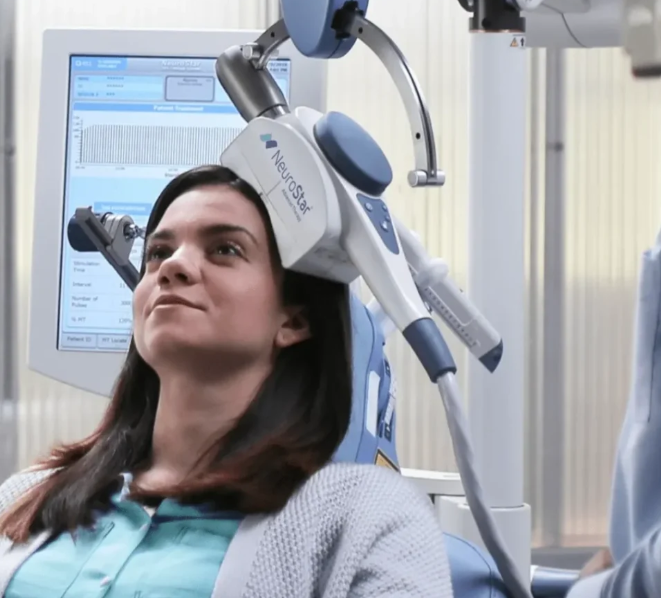
Living with chronic pain changes everything, and one of the most common changes is depression. Around a third of people with long-term pain develop major depressive disorder, and the two feed each other: pain disrupts sleep and activity, low mood lowers the pain threshold, and both drain the energy needed to keep up with treatment. At The TMS Center of New Jersey, people in this position are treating the depression directly, without adding another medication to a regimen that is often already crowded. Understanding TMS Therapy Tinton Falls NJ is a sensible step for anyone whose pain care is in place but whose mood has not recovered.
Why Depression and Pain Travel Together
Persistent pain keeps the nervous system on alert, disrupts sleep, and narrows life to the things that can be managed on a bad day. Over months, that pattern reduces activity in the prefrontal regions that regulate mood and motivation, and a depressive episode can take hold. Once it does, the depression makes pain harder to tolerate and treatment harder to follow.
Antidepressants are often prescribed in this situation, but many people with chronic pain are already taking several medications and cannot tolerate the sedation, weight gain, or interactions that another one brings. That is frequently the point at which TMS is considered.
How TMS Treats the Depression
Transcranial Magnetic Stimulation is FDA-cleared for major depressive disorder in adults. Focused magnetic pulses are delivered to the left prefrontal cortex over 36 sessions across about six weeks, encouraging the underactive mood circuit to return to a healthier level of activity. It treats the depression; your pain management continues with your existing physicians.
There is no anesthesia or sedation, and TMS does not have the common systemic side effects of medication. The most common side effect is temporary scalp discomfort or headache. There is a rare risk of seizure, under 0.1% per patient, and clinical trials showed no adverse effects on memory or concentration.
No Drug Interactions: TMS is drug-free, so it does not interfere with pain medication, anti-inflammatories, or anything else you take.
No Dependence: There is nothing to build tolerance to and nothing to taper.
Comfortable Positioning: Sessions take place in a reclining chair, and the team at The TMS Center of New Jersey adjusts positioning for people with back, neck, or joint pain.
In real-world outcomes reported by NeuroStar, 83% of patients who completed treatment experienced measurable depression relief, and 62% reached full remission.
What Treating the Depression Changes
When mood lifts, people with chronic pain often find that the pain itself becomes easier to live with, not because the pain has been treated but because the depression that amplified it has eased. Sleep improves, energy for physical therapy returns, and the sense of being trapped begins to loosen. Clinical studies have shown response and remission from depression lasting over a year.
The evaluation confirms a diagnosis of major depressive disorder, reviews the antidepressants you have tried, and screens for contraindications such as non-removable metal in or near the head. If you have spinal stimulators or other implanted devices, bring the details so the clinician can assess them.
Coordinating With Your Pain Care Team
Depression treatment works best when it is part of the whole picture. The TMS Center of New Jersey coordinates with pain management physicians, physical therapists, and primary care providers so that everyone involved knows what is happening and when. That coordination also helps with the practical side, such as scheduling TMS sessions around physical therapy appointments or procedures.
It is worth telling your pain physician that you are starting TMS. As mood improves, some patients find they can engage more fully with physical therapy and activity programs, and the pain team may want to adjust the plan to take advantage of that.
Frequently Asked Questions About Depression, Pain, and TMS
Does TMS treat chronic pain or fibromyalgia?
No. TMS is FDA-cleared for major depressive disorder. It treats the depression that so often accompanies chronic pain, while pain care continues with your existing providers.
Can I have TMS if I take opioid pain medication?
Pain medication is not in itself a contraindication. Bring a complete medication list to your evaluation so the clinician can review it.
Will lying in the chair be uncomfortable?
Sessions may take as little as 19 minutes, and staff at The TMS Center of New Jersey will help you find a comfortable position. Tell them about any pain that makes sitting difficult.
To learn more or schedule a consultation, call The TMS Center of New Jersey at (732) 889-5689.

